 how-to
Sewer Scope Springfield: What to Expect
Table of Contents
- Why Sewer Scope Inspections Matter in Springfield
- What Does a Sewer Scope Inspection Include
- How Long Does a Sewer Scope Take
- Understanding Your Sewer Scope Inspection Report
- Springfield MO Sewer Lateral Information and Local Considerations
- Common Issues a Sewer Scope Reveals
- When You Should Schedule a Sewer Scope
- Frequently Asked Questions
Last Updated: October 11, 2026
Why Sewer Scope Inspections Matter in Springfield
A sewer scope inspection is a visual examination of your home's sewer line using a specialized camera. The camera travels through your pipes to identify cracks, blockages, tree root intrusion, and other damage. For homeowners in Springfield and Southwest Missouri, a sewer scope Springfield inspection is crucial before buying a property or addressing drainage problems.
Many homebuyers skip this step and later discover expensive repairs. Tree roots are particularly common in our region, where mature oaks and maples frequently grow near underground lines. A sewer scope reveals these issues before they become emergencies.
At Quality General Appraisals & Home Inspections, we recommend a sewer scope as part of a thorough pre-purchase inspection. It's a valuable way to avoid surprise repairs after closing. Understanding what to expect from a sewer scope Springfield inspection helps you make confident decisions about your property.
What Does a Sewer Scope Inspection Include
The Camera Equipment and Process
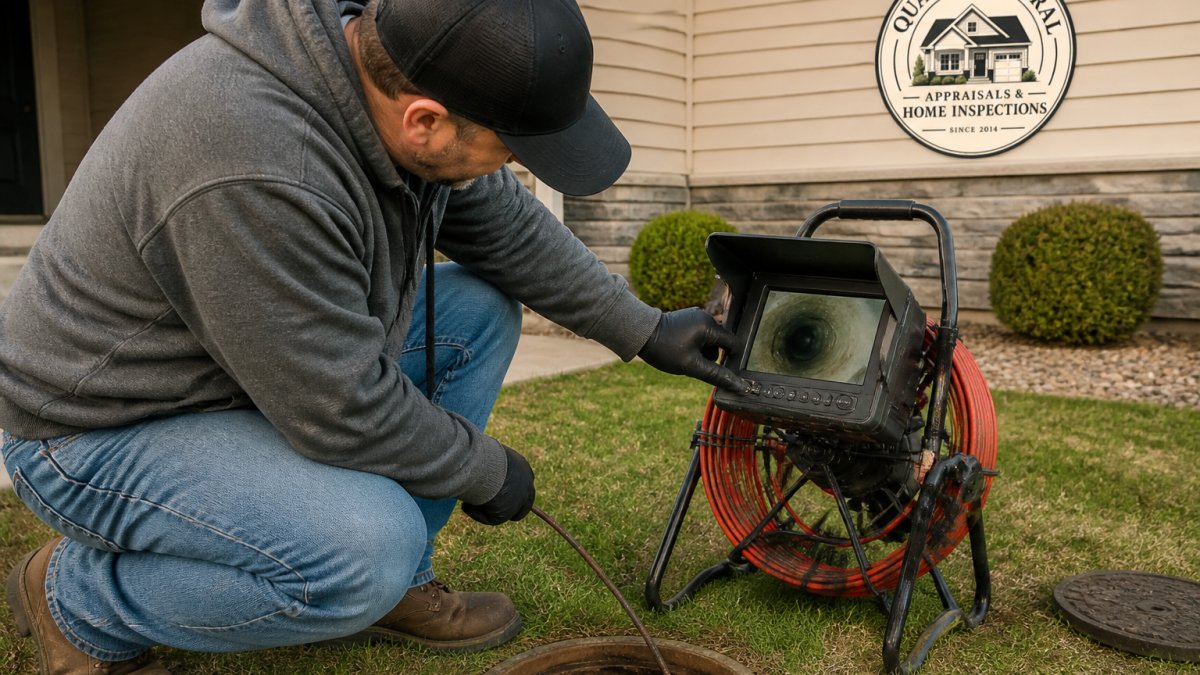
A sewer scope uses a waterproof camera attached to a flexible rod. The camera is inserted into your sewer cleanout (a pipe opening, usually in your yard or basement) and pushed through the line. The inspector watches a live video feed to spot problems.
The camera travels from your home's main line toward the municipal sewer connection. The process takes 30 minutes to an hour for most homes. As the camera moves, the inspector notes the pipe material, condition, and any obstructions.
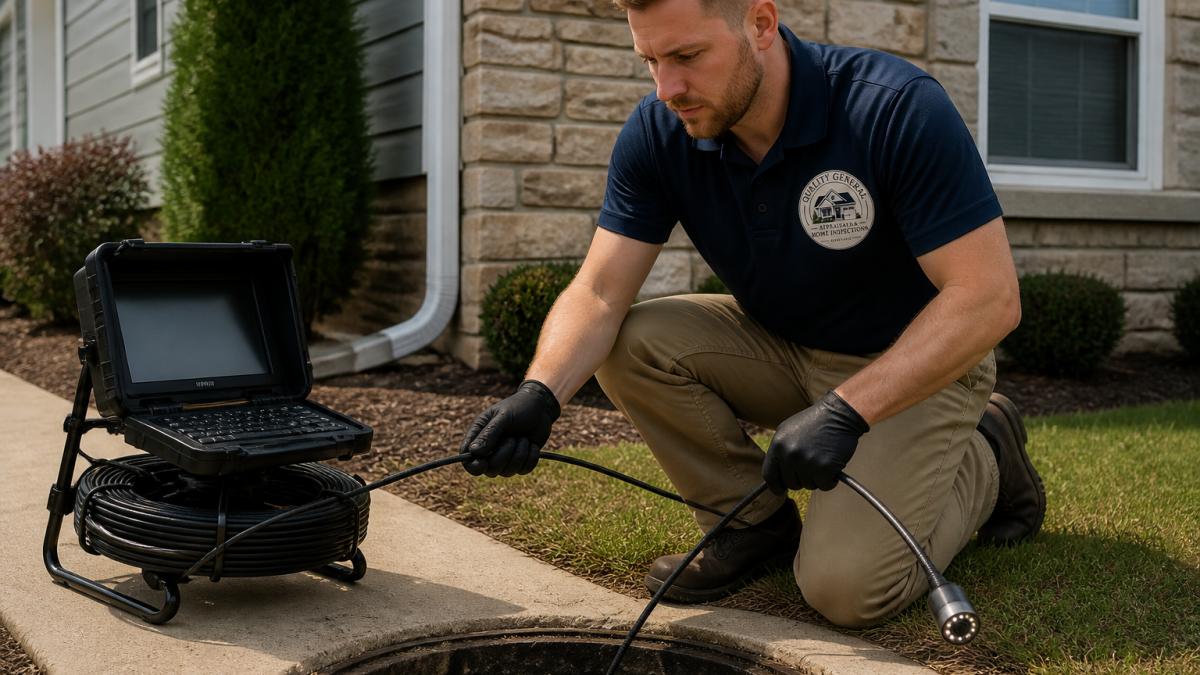
Modern sewer cameras include:
- High-definition video for clear viewing
- Distance markers to pinpoint problem locations
- Still-frame capture for your report
- Real-time data recording
The equipment is compact enough to navigate tight bends in older pipes. Newer homes with PVC lines are easier to inspect than older clay or cast iron pipes, but the camera handles both.
What the Inspector Looks For
During a sewer scope inspection, inspectors check for several common issues:
- Tree root intrusion, roots growing into cracks and blocking flow
- Pipe cracks or breaks, damage from settling or age
- Offset joints, pipes that have shifted out of alignment
- Grease buildup, accumulation that reduces flow
- Bellied sections, sagging pipe that traps water and debris
- Corrosion, deterioration of cast iron or clay pipes
The inspector documents each finding with photos and measurements. They note the severity and location of problems. This information goes directly into your report, which includes video clips and still images.
Quality General Appraisals & Home Inspections provides detailed photo-based reports that explain findings in plain language.
How Long Does a Sewer Scope Take
A typical sewer scope inspection takes 30 to 60 minutes. The actual camera travel time is often 15 to 20 minutes, depending on the distance from your cleanout to the main sewer line.
Several factors affect the timeline:
- Line length, Longer lines take more time to inspect
- Pipe material, Older clay or cast iron pipes may have more bends
- Existing blockages, Heavy root growth or debris can slow the camera
- Cleanout access, Hard-to-reach cleanouts add setup time
- Report preparation, Detailed photo documentation adds 15 to 30 minutes
Most Springfield homeowners can expect the inspection to be completed within an hour. The inspector will discuss findings with you on site and answer questions about what the camera revealed.
Understanding Your Sewer Scope Inspection Report
Reading the Findings
Your sewer scope report will describe the pipe condition from your home to the municipal connection. Reports typically include:
- Pipe material, Clay, cast iron, PVC, or concrete
- Pipe diameter, Usually 4 inches for residential lines
- Overall condition, Excellent, good, fair, or poor
- Specific defects, Location, type, and severity of problems
- Repair recommendations, What needs attention and how urgently
A "good" report means the line has minor issues that don't require immediate repair. A "fair" report indicates problems that should be addressed within a few years. A "poor" report suggests urgent repairs are needed.
Photos and Video Evidence
Your report includes still photographs from the camera feed. These images show problem areas clearly. You'll see roots, cracks, or offset joints with reference markers indicating their location in the line.
Video clips from the inspection are also provided. Seeing the camera travel through your sewer line helps you understand the full picture. Many homebuyers find the visual evidence more reassuring than a written description alone. These recordings often clarify how specific sewer inspection requirements protect your investment during the closing process.
Quality General Appraisals & Home Inspections includes detailed photo-based documentation. This clarity helps you discuss repairs with contractors or make informed decisions about your property purchase.
Springfield MO Sewer Lateral Information and Local Considerations
In Springfield and Southwest Missouri, most homes built before 1980 have clay or cast iron sewer lines. These materials are durable but prone to root intrusion and deterioration over time.
Sewer lateral ownership is important to understand. In most cases, homeowners own and maintain the sewer line from their home to the municipal connection. The city maintains the main sewer line beyond that point. If your inspection reveals problems in your lateral, you're responsible for repairs.
Tree roots are the most common problem in our region. Mature trees near sewer lines seek water and can penetrate even small cracks. Once roots enter a pipe, they continue growing and eventually block the line.
Clay pipes, common in older Springfield homes, are susceptible to root damage. Modern PVC lines resist root intrusion better, but are less common in our area. If you're buying an older home, a sewer scope is especially valuable.
Settling and ground movement also affect sewer lines. Our soil composition in Southwest Missouri can shift seasonally, causing pipes to crack or offset. A sewer scope reveals these structural problems before they cause backups.
Common Issues a Sewer Scope Reveals
Tree root intrusion is the most frequent finding in Springfield inspections. Roots appear as hair-like growths protruding into the pipe. Minor root growth may not require immediate action, but extensive intrusion blocks flow and needs removal.
Cracks and breaks in older pipes allow soil and groundwater to enter. Broken sections may require spot repair or full line replacement, depending on severity and location.
Offset joints occur when pipe sections shift out of alignment. This creates a step where debris collects and blockages form. Offset joints often worsen over time and eventually need repair.
Grease and debris buildup slows drainage. While not structural damage, heavy buildup indicates the line needs cleaning. Professional jetting can restore flow without pipe replacement.
Bellied sections are low spots where the pipe sags. Water pools in these areas, allowing sediment and roots to accumulate. Bellied pipes eventually fail and require replacement.
Corrosion in cast iron pipes appears as rough, pitted surfaces. Severe corrosion weakens the pipe structure. Corroded sections may collapse or leak.
Most of these issues are manageable when caught early. A sewer scope inspection gives you time to plan repairs and budget accordingly.
When You Should Schedule a Sewer Scope
Before purchasing a home, a sewer scope inspection is one of the smartest investments you can make. It reveals hidden problems that could cost thousands to repair. Most lenders and real estate professionals recommend including a sewer scope as part of your pre-purchase inspection.
If you experience drainage problems, a sewer scope identifies the cause. Slow drains, backups, or sewage odors warrant an inspection to pinpoint the issue.
After severe weather, a sewer scope can reveal new damage. Heavy rain, flooding, or ground movement may crack or offset pipes.
For older homes, a sewer scope provides baseline information about line condition. Knowing your sewer line's age and material helps you plan for future maintenance.
Before selling your home, a sewer scope report demonstrates the property's condition. It builds buyer confidence and can support your asking price.
Quality General Appraisals & Home Inspections schedules sewer scope inspections throughout Springfield and Southwest Missouri. We provide same-day reporting with clear photos and practical recommendations. Contact us to schedule your inspection and get the answers you need about your sewer line.
A failing sewer line can derail a home purchase or create unexpected expenses. Quality General Appraisals & Home Inspections uses professional sewer camera equipment to deliver thorough, detailed inspections with same-day photo-based reports. Our team helps homebuyers, sellers, and real estate professionals in Springfield and surrounding areas make confident decisions. Schedule your sewer scope inspection today and protect your investment with reliable, veteran-owned service.
Frequently Asked Questions
What is a sewer scope inspection?
A sewer scope inspection uses a small waterproof camera attached to a flexible cable to visually examine the inside of your sewer line from the cleanout to the main municipal connection. The inspector guides the camera through the pipe, looking for cracks, blockages, tree root intrusion, and other damage. It's a non-invasive way to assess the condition of your sewer lateral before you buy a home or address plumbing issues.
Should I get a sewer scope when buying a home in Springfield?
A sewer scope is especially valuable for homes in Southwest Missouri where older clay and cast-iron pipes are common. If you're buying a home built before 1980, have experienced drainage problems, or notice signs of sewer issues, a sewer scope provides clear evidence of the line's condition. This information helps you negotiate repairs, plan for future replacement, or make an informed purchase decision.
How long does a sewer scope take?
Most sewer scope inspections take 30 minutes to an hour, depending on the line length and accessibility of the cleanout. Some inspections may take longer if the line is blocked or difficult to navigate. Quality General typically includes sewer scope findings in same-day reports, so you receive results quickly and can move forward with confidence.
What does a sewer scope inspection report include?
Your sewer scope inspection report contains video footage, still photographs of problem areas, a written description of findings, and recommendations for repairs or monitoring. The report clearly explains what was found, where it's located in the line, and what it means for your home. A professional inspector ensures the report is easy to understand, not filled with technical jargon.
Can a sewer scope find tree roots or a damaged pipe?
Yes. A sewer scope camera can clearly identify tree root intrusion, which appears as hair-like roots penetrating the pipe, and visible cracks, breaks, or collapsed sections. The camera also detects grease buildup, mineral deposits, and offset joints. These findings help you understand whether the line needs immediate repair or can be monitored for now.