 How-to
What Happens If a Home Inspection Reveals Major Issues
Last Updated: November 17, 2026
Quick Summary
If a home inspection reveals major issues, you have options and most are negotiable. Read the full report, confirm your inspection contingency deadline in writing, and ask your agent which findings are worth negotiating. You can request repairs, a seller credit, a price reduction, or walk away within your contingency window.
- Read the whole report, separate safety issues from cosmetic ones, and confirm your contingency deadline in writing.
- Very few fixes are legally mandatory unless your purchase contract, lender, appraiser, or insurer requires them.
- Your right to cancel depends on your contract's inspection contingency, which usually expires on a date certain.
- Repair negotiation usually ends with the seller fixing it, a seller credit, or a price reduction.
- Book follow-up testing like sewer line scopes or radon testing before your contingency deadline runs out.
Table of Contents
- Your First Steps After a Home Inspection Reveals Major Issues
- How to Interpret Home Inspection Report Examples and Findings
- What Fixes Are Mandatory After a Home Inspection
- When to Walk Away After a Home Inspection
- How to Write a Home Inspection Repair Request Letter
- Negotiating Repairs, Credits, or a Price Reduction
- Scheduling Follow-Up Inspections and Specialized Testing in Springfield
- Frequently Asked Questions
Your First Steps After a Home Inspection Reveals Major Issues
Learning that a home inspection revealed major issues is stressful, but it is not the end of your purchase. The short answer: you have options, and most of them are negotiable. What happens next depends on your purchase contract, your inspection contingency, and how you prioritize the findings.
Buyers in Springfield face this moment regularly. The first step is simple: read the full report before you react. Then call your real estate agent and check your contract deadline.
OpenDoor's guide to what home inspectors look for notes that most inspections turn up at least one issue. That is normal. A report is a risk assessment, not a verdict.
Here is what to do in the first 24 to 48 hours:
- Read the whole report, not just the summary page
- Separate safety issues from cosmetic ones
- Confirm your inspection contingency deadline in writing
- Ask your agent which findings are worth negotiating
- Request repair estimates for the big-ticket items

How to Interpret Home Inspection Report Examples and Findings
A home inspection report is a written record of a home's visible condition at the time of inspection. It lists findings, photos, and recommendations, but it does not assign blame or guarantee a repair.
Not every line item is a red flag. A common mistake is treating a loose outlet cover the same as a failing roof. Our advice: sort findings into three buckets.
| Finding Type | Examples | Typical Response |
|---|---|---|
| Safety concern | Electrical hazards, gas leaks, missing handrails | Fix before closing |
| Major system defect | Roof damage, plumbing leak, structural problem | Negotiate repair or credit |
| Routine maintenance | Caulking, paint, minor cosmetic issues | Plan for it yourself |
For a deeper walkthrough of report language, see our guide on how to interpret home inspection reports. It explains the terms inspectors use and what each section actually means.
What Fixes Are Mandatory After a Home Inspection
Very few fixes are legally mandatory after a home inspection. In most transactions, the seller is not required to repair anything unless the purchase contract says so.
1. The purchase contract. This is the controlling document. If your contract includes a repair contingency, a repair addendum, or a seller-property-disclosure obligation, those terms define what the seller has agreed to fix.
2. The lender. Government-backed loans carry property-condition requirements. FHA, VA, and USDA programs can require certain repairs before closing, and the list is narrower than the inspection report. Typical triggers include roof condition, active leaks, safety hazards, and access or utility problems.
3. The appraiser. An appraisal is separate from an inspection, but the two interact. If the appraiser notes a health-and-safety issue or a condition that affects marketability, the lender may require it to be corrected before the loan can close.
4. The insurer. Insurability is the trigger buyers most often overlook. Some insurers will decline or restrict coverage on a home with a failing roof, outdated wiring, or evidence of prior water damage.
5. Code and safety requirements. Building codes apply to the property itself, not to the negotiation. A home built decades ago is not required to meet today's code just because it is being sold.
A practical way to sort this: make a short list of findings that are triggered by your contract, your loan type, your insurer, or an occupancy concern.
Watch out: assuming a finding is "just cosmetic" before checking with your lender and insurer. A cosmetic issue to you can be a closing condition to them, and discovering that late in the contingency period leaves little time to negotiate.
If you are a seller preparing to list, or a buyer who wants a clear picture before negotiations, Quality General Appraisals & Home Inspections provides home inspections, sewer line scopes, termite and WDI inspections, radon and mold testing, thermal imaging, moisture detection, water testing, and HUD foundation certifications across Springfield, MO and nearby Southwest Missouri communities. That documentation is most useful when you know which systems and components an inspection evaluates, so a buyer's guide to home inspections can help put major findings in context.
When to Walk Away After a Home Inspection
Walking away is a real option, and in most transactions the inspection contingency is what protects it. The key point competitors often gloss over: your right to cancel is a contract right, not a general consumer right. It exists because your signed purchase contract says it does, and it usually expires on a date certain.
How the contingency actually works. A typical inspection contingency gives the buyer a set number of days after acceptance (or after the inspection) to review findings and respond in writing. If you respond within that window with a repair request or a notice of dissatisfaction, you preserve your options.
A decision framework for major findings. Rather than a gut check, sort the findings by three factors and score each one:
| Factor | Question to ask | Why it matters |
|---|---|---|
| Safety | Does the issue pose a hazard to occupants now? | Safety items are hardest for a seller to refuse and hardest for a lender or insurer to ignore |
| Structure and major systems | Is it roof, foundation, electrical, plumbing, or HVAC? | These carry the highest cost uncertainty and the biggest appraisal and insurance exposure |
| Cost certainty | Do you have a written estimate, or only a guess? | A written estimate turns a vague worry into a negotiable number |
| Contract protection | Does your contingency cover this item, and is the deadline still open? | Without contract protection, walking away may cost you your earnest money |
| Risk tolerance | Can you absorb a surprise repair after closing? | This is a budget question, not a pride question |
When walking away is the reasonable choice. Consider canceling within your contingency window when:
- The report shows hidden damage that was not disclosed, and the seller will not address it
- The seller refuses to repair or credit a major system, and the numbers do not work for you
- A specialist evaluation reveals a problem larger than the report suggested, such as a failed sewer line or a structural concern
- The repair cost, even after negotiation, pushes the home past what you are comfortable spending
- Your lender or insurer signals the home may not be financeable or insurable on acceptable terms
- The contingency deadline is near and negotiations have stalled with no written path forward
What walking away actually requires. Cancellation is a written process. In most contracts you must deliver written notice before the contingency deadline, and the timing and method matter. Keep copies of everything: the report, your written request, the seller's response, and any specialist estimates.
Walking away is not failure. It is risk assessment working as intended, and the inspection contingency is the tool that makes it possible. The buyers who use it well are the ones who read the deadline, documented the findings, and made the decision before the clock ran out.
Watch out: waiting until the last day of the contingency period to request a specialist evaluation. Specialist evaluations such as sewer scopes, structural evaluations, and contractor estimates can take time to schedule, and a late request can leave you deciding without the information you need.
If you are weighing a major finding and need documentation to support your decision, Quality General Appraisals & Home Inspections offers follow-up evaluations including sewer line scopes, thermal imaging, moisture detection, radon and mold testing, and HUD foundation certifications for Springfield, MO and surrounding Southwest Missouri communities.
How to Write a Home Inspection Repair Request Letter
A home inspection repair request letter is a written document asking the seller to fix specific items or offer a credit. Keep it short, factual, and tied to the report.
Use this template:
Dear [Seller],
Following the home inspection on [date], we are requesting the following:
- [Item from report, page number]
- [Item from report, page number]
- [Item from report, page number]
We are requesting [repair / seller credit / price reduction] for these items. Supporting photos and estimates are attached.
Please respond by [contract deadline].
Sincerely, [Buyer]
Attach the relevant report pages and any repair estimates. Vague requests get vague responses.
Negotiating Repairs, Credits, or a Price Reduction
Repair negotiation usually lands in one of three places: the seller fixes it, the seller credits you, or the price drops. Each has trade-offs.
- Seller repairs: Convenient, but you do not control the contractor or quality.
- Seller credit: Cash at closing toward your costs; good when you want to choose the fix.
- Price reduction: Lowers your loan amount and monthly payment.
A repair estimate from a qualified contractor strengthens your position. So does a clear, documented request. If you are ready to act on major findings, you can contact our team to discuss next steps before your deadline.
Scheduling Follow-Up Inspections and Specialized Testing in Springfield
Some findings need a closer look before you decide. That is where follow-up evaluation and specialist inspection come in.
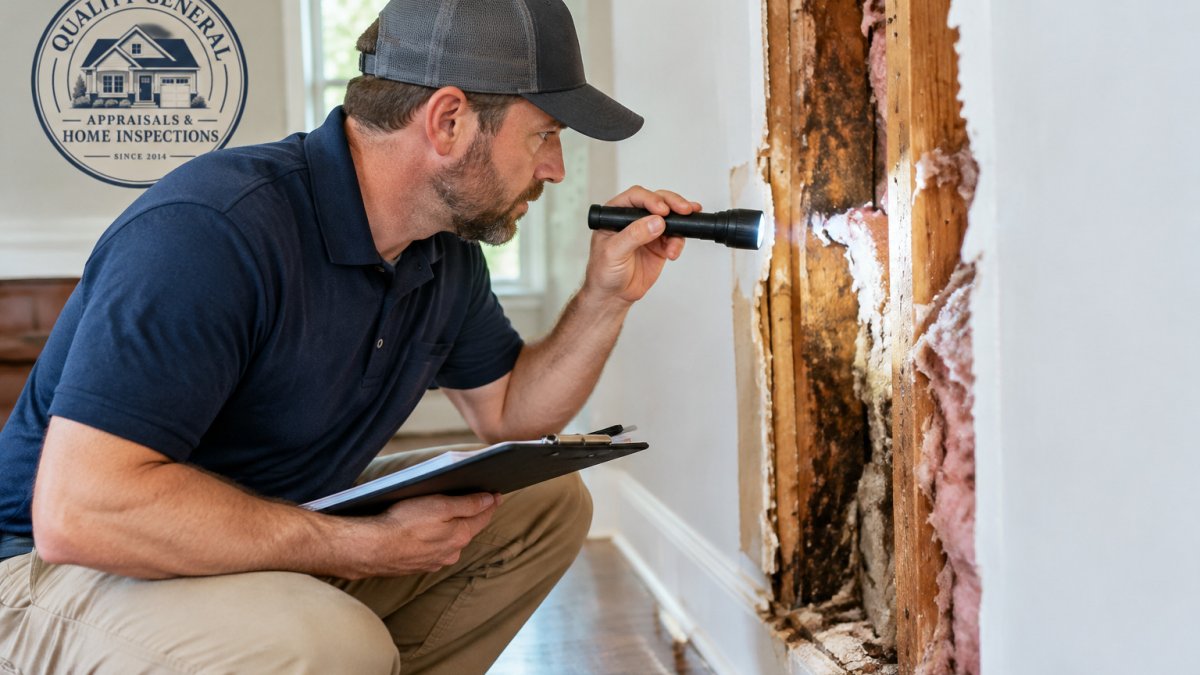
If the report flags a drain line concern, book a sewer line scope to see the pipe interior. If radon is a question, schedule radon testing. If you see moisture or mold growth, request mold testing. These tests give you documentation to support your repair request.
Quality General Appraisals & Home Inspections provides home inspections, sewer line scopes, termite and WDI inspections, radon and mold testing, thermal imaging, and moisture detection across Springfield, MO and nearby Southwest Missouri communities. We are veteran-owned, with a Certified Master Inspector on staff, and we deliver same-day, photo-based reports.
Major findings can feel overwhelming, but they are exactly why an inspection contingency exists. The right next step is documentation: a clear report, specialist follow-up, and a written request. Quality General Appraisals & Home Inspections can help with same-day reports, infrared imaging, sewer cameras, and a 6-month home warranty on full inspections. Get started with Quality General and move into your purchase with clear answers.
Frequently Asked Questions
What is considered a major issue in a home inspection?
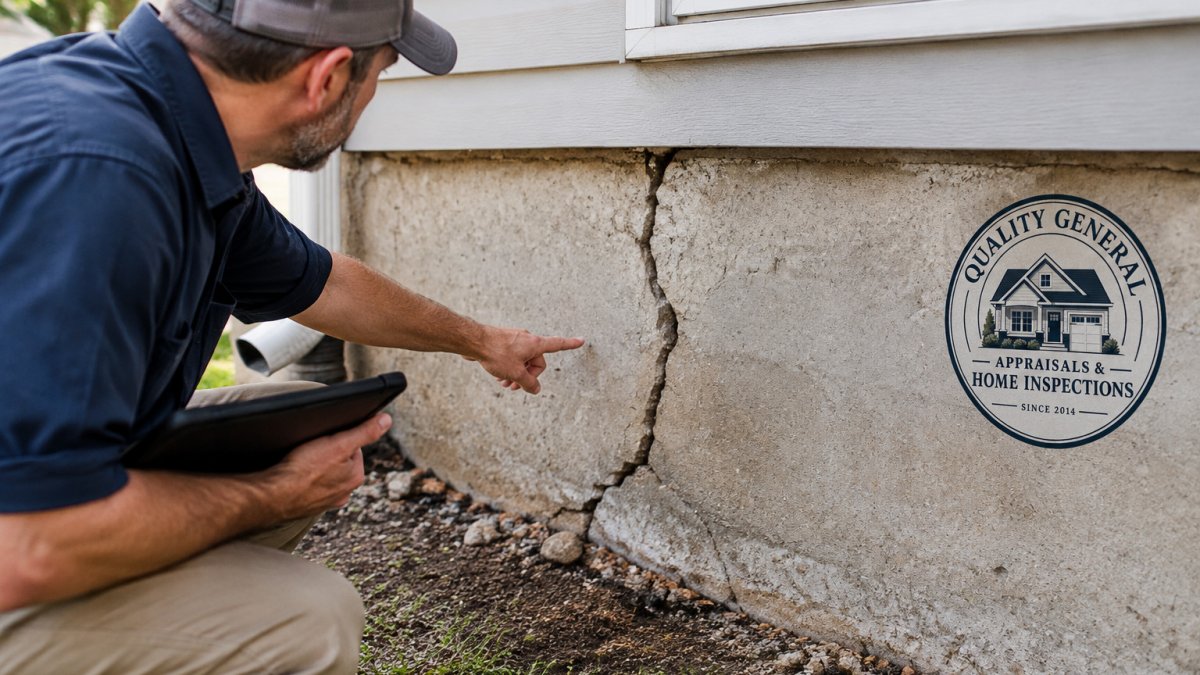
A major issue is a defect that affects safety, structural integrity, or involves a significant repair cost. Examples include foundation cracks, roof damage, active plumbing leaks, electrical hazards, and mold growth. Most inspections find at least one issue, but many are minor. A home inspection report will categorize findings so you can separate routine maintenance from significant defects that may justify renegotiation or walking away.
Are sellers required to fix problems found during a home inspection?
In most cases, no. Sellers are not legally required to make repairs unless the purchase contract specifies otherwise or local regulations mandate certain safety fixes. What fixes are mandatory after a home inspection often depends on lender requirements, such as FHA or VA loan conditions. Otherwise, repairs are negotiable. Your repair request letter should focus on significant defects and safety concerns rather than cosmetic issues.
Can a buyer negotiate after a home inspection reveals major issues?
Yes, buyers can negotiate repairs, a seller credit, or a price reduction after a home inspection reveals major issues. The inspection contingency in your purchase contract typically allows you to request remedies or cancel. Work with your agent to submit a clear repair request letter backed by contractor estimates. Sellers may agree, counter, or decline, and your response depends on contract deadlines and your risk tolerance.
What should a buyer do after receiving a home inspection report?
Review the report carefully and prioritize findings by safety, structure, and cost. Distinguish major issues from routine maintenance. Discuss significant defects with your agent and request specialist evaluations if needed, such as a sewer scope or structural engineer. Then decide whether to proceed, negotiate repairs or credits, or walk away. Keep all documentation and respond before your inspection contingency deadline.