 How-to
What Happens When Foundation Cracks Are Ignored
Last Updated: November 9, 2026
Quick Summary
Ignored foundation cracks let water into the structure, soften the soil under the footing, and allow load-bearing walls to shift, so a minor repair becomes a major one. Damage follows a predictable timeline: movement becomes visible in years two to three, and beyond year seven the repair shifts from sealing to structural stabilization with piers, anchors, or wall reinforcement.
- Water seeping through hairline foundation cracks softens soil and starts uneven footing settlement in year one.
- Doors that stick year-round, not just in summer, are worth a closer look.
- A crack under 1/8 inch that has not changed is usually cosmetic and can be monitored.
- Horizontal cracks and stair-step cracking are the ones that worry inspectors most.
- Springfield's clay-heavy soil swells when wet and shrinks when dry, working cracks open over time.
Table of Contents
- How Ignored Foundation Cracks Affect Your Home's Structural Integrity
- The Timeline of Foundation Damage: What Happens Year by Year
- Signs of Foundation Problems Every Springfield Homeowner Should Know
- When a Crack Is a Structural Foundation Crack
- Foundation Cracks and Water Intrusion: The Damage Multiplier
- Why Springfield Soil Makes Ignoring Cracks Riskier
- How a Foundation Inspection Catches Problems Early
- DIY vs. Professional Assessment: What You Can and Cannot Check Yourself
- Frequently Asked Questions
How Ignored Foundation Cracks Affect Your Home's Structural Integrity
Ignored foundation cracks rarely stay small. Left alone, they can let water into the structure, shift load-bearing walls, and turn a minor repair into a major one. At Quality General Appraisals & Home Inspections, we look at foundation cracks in Springfield, Missouri homes every week, and the pattern is consistent: the longer a crack sits, the more it costs to fix.
Structural integrity is the ability of a home's foundation and frame to carry and transfer loads safely. A crack weakens that system one small step at a time.
Not every crack is an emergency. Most hairline cracks are not, but the ones that are active, wide, or leaking deserve attention now rather than later.
Below, we break down what actually happens when foundation cracks are ignored, year by year, and how to tell which cracks matter.
The Timeline of Foundation Damage: What Happens Year by Year
Foundation damage follows a fairly predictable path, but the pace depends on soil, drainage, and how active the crack is. What most guides skip is the mechanism: why a crack that looks stable in year one becomes expensive by year five. As shifting soil widens a crack, water can seep through and add another source of damage, making it important to recognize leak-related warning signs alongside the structural changes Acclaimed Drain discusses.
Year one: the quiet phase. Water seeps through hairline cracks and softens the soil under the footing. The soil loses bearing capacity, and the footing begins to settle unevenly. You may notice nothing at all, which is exactly why this phase is easy to ignore.
Years two to three: movement becomes visible. As the soil swells and shrinks with the seasons, the crack widens. Doors begin to stick, floors feel uneven, and small cracks appear above door frames and window corners. At this stage, repair may still involve sealing and stabilization.
Years four to seven: the damage compounds. Concrete spalling may appear on exposed foundation walls. Bowing can develop in crawl space and basement walls as lateral soil pressure builds. Stair-step cracking may show up in brick or block. Gaps open at window and door frames, and water intrusion becomes routine rather than occasional.
Beyond year seven: stabilization territory. The repair shifts from sealing to structural stabilization, piers, anchors, or wall reinforcement. That is a much bigger job, and it is where the cost curve steepens fastest. Delaying stabilization past the active-movement stage can significantly increase the scope of work compared with catching it early.
Two consequences deserve their own mention:
- Insurance implications. Many homeowner policies exclude long-term seepage and earth movement, so it is worth reviewing your policy terms. Documenting cracks early, with dated photos and an inspection report, gives you a record if a covered event, such as a burst pipe, later compounds the problem.
- Warranty implications. Home warranties often have terms that limit foundation and structural coverage, so review what yours covers. Ignoring a documented crack can void coverage you thought you had.
If you want to understand how this plays out at resale, our guide on how foundation settlement affects home value walks through the appraisal side.
Signs of Foundation Problems Every Springfield Homeowner Should Know
The clearest signs of foundation problems show up inside and outside the home at the same time. Watch for both.
Cracks, Sticking Doors, and Uneven Floors
Inside the home, the tell-tale signs are:
- Doors and windows that stick or no longer latch
- Floors that slope or feel springy
- Cracks above door frames and window corners
- Separations where walls meet ceilings
A door that suddenly sticks in summer and frees up in winter is often just humidity. A door that sticks year-round is worth a closer look.
Exterior Clues: Brick, Siding, and Grading
Outside, check for:
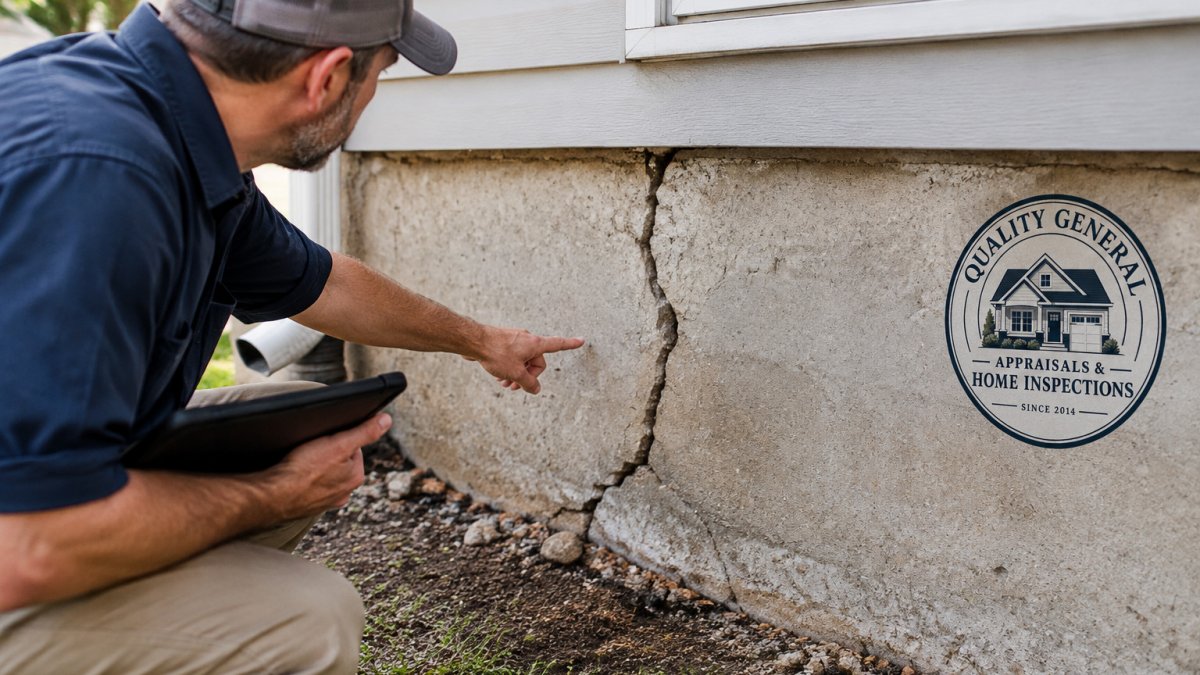
- Stair-step cracks in brick or block
- Gaps between the foundation and siding
- Soil that slopes toward the house instead of away
- Pooling water near the foundation after rain
Poor grading sends water straight to the foundation. That is one of the most common and most fixable causes of foundation cracks and water intrusion.
When a Crack Is a Structural Foundation Crack
A structural foundation crack is one that signals movement or loss of support, not just surface shrinkage. Size, direction, and location all matter, but the single most useful test is change over time. A crack that has not moved in a year is a different animal from one that grows a sixteenth of an inch a season.
Here is how to sort them:
| Crack Type | What It Usually Means | Urgency |
|---|---|---|
| Vertical hairline (under 1/8 inch) | Often cosmetic shrinkage | Low, monitor |
| Diagonal or stair-step | Settlement or soil movement | Medium to high |
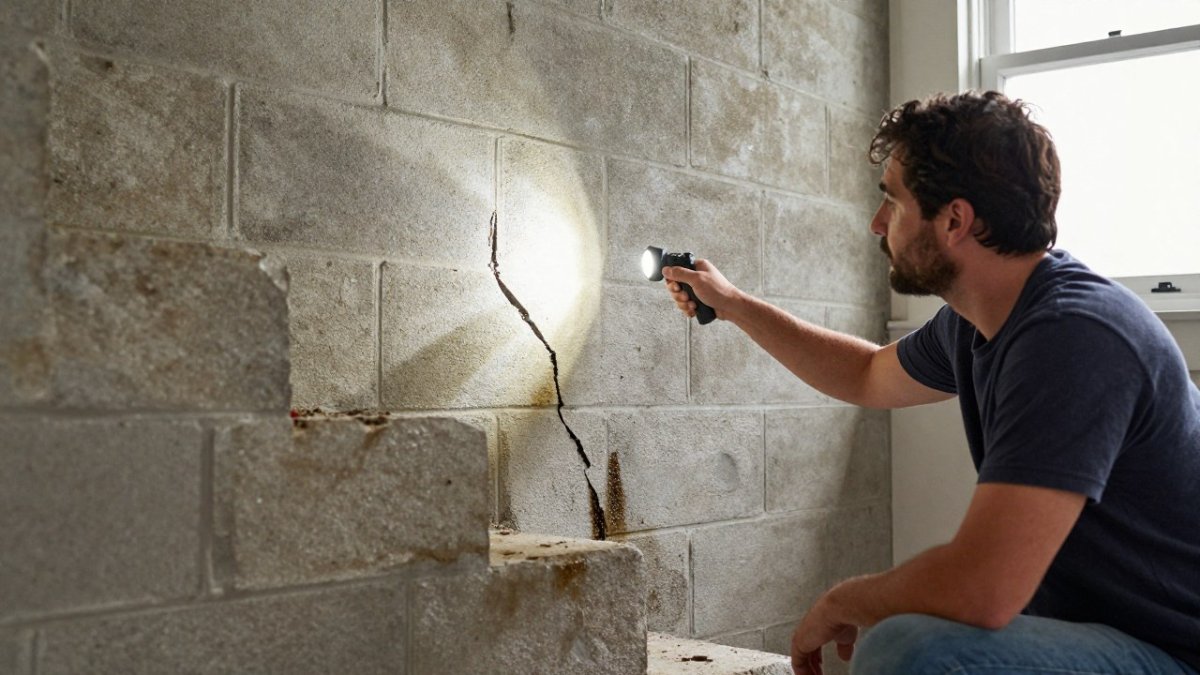
| Horizontal in block wall | Possible lateral pressure | High, get it checked |
| Widening over time | Active movement | High |
Horizontal cracks and stair-step cracking are the ones that worry us most. A horizontal crack in a block wall often points to lateral soil pressure or hydrostatic pressure from saturated soil, and it can progress to bowing if left alone. Stair-step cracking in brick or block usually tracks settlement at a corner.
A practical red-flag framework. You can separate cosmetic from structural cracks with a simple monitoring routine:
- Mark the crack. Use a pencil or a small dab of paint at both ends and note the date.
- Measure the width. A crack under 1/8 inch that has not changed is usually cosmetic. A crack over 1/4 inch, or one that has grown since your last measurement, deserves a professional look.
- Check for companions. A single hairline crack is one thing. A crack paired with a sticking door, an uneven floor, or a gap at a window frame is a pattern.
- Look for moisture. Efflorescence, rust stains, or dampness near the crack points to active water intrusion.
When to monitor versus when to call. If the crack is vertical, under 1/8 inch, dry, and unchanged after a season, monitoring is reasonable. If it is horizontal, stair-step, wider than 1/4 inch, actively growing, or accompanied by door and window problems, call a professional inspector or structural engineer. Do not wait for the next season.
If a lender or buyer raises the question, our guide to HUD foundation certification explains what that process requires.
Foundation Cracks and Water Intrusion: The Damage Multiplier
Water is what turns a small crack into a big problem. Once water gets in, it does three things: it softens soil, it feeds mold, and it freezes and expands in cold weather.
That cycle repeats every season. Each freeze pushes the crack a little wider. Each thaw lets more water in.
Signs of water intrusion to watch for:
- Damp or musty smells in the basement or crawl space
- White powder on concrete walls
- Rust on bottom plates or framing
- Efflorescence, the chalky residue left by evaporating water
Basement waterproofing and better drainage help, but they do not fix an active crack. They slow the damage while you plan the real repair.
Why Springfield Soil Makes Ignoring Cracks Riskier
Springfield sits on clay-heavy soil that expands when wet and shrinks when dry. That movement puts steady pressure on foundations, especially slab-on-grade and pier and beam homes common in the area.
Local weather makes it worse. Wet springs followed by dry summers create a swell-and-shrink cycle that works cracks open over time. Soil expansion is the quiet engine behind a lot of foundation movement here.
A few practical steps help:
- Keep gutters clean and downspouts discharging well away from the foundation
- Maintain grading that slopes away from the house
- Water evenly during dry spells instead of soaking one spot
- Fix plumbing leaks promptly
For a fuller list, see our article on preventing foundation issues in Missouri homes.
How a Foundation Inspection Catches Problems Early
A foundation inspection finds movement and moisture before they become visible damage. That is the whole point: catch it early, when fixes are smaller.
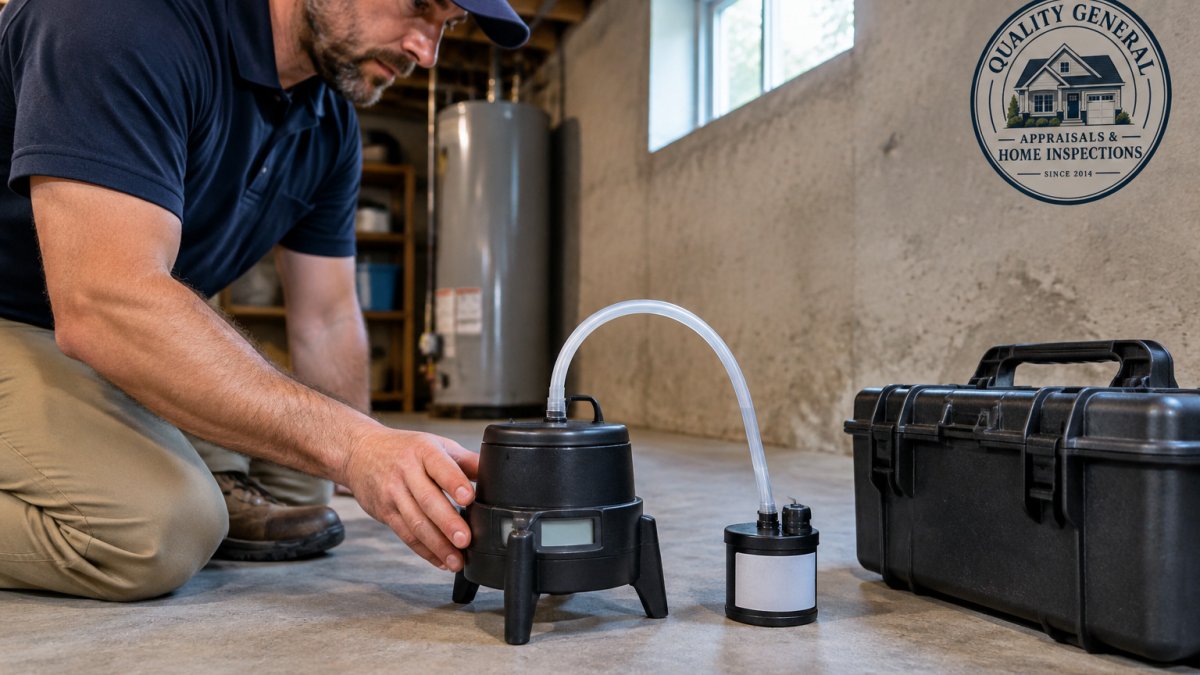
Here at Quality General Appraisals & Home Inspections, we use professional inspection equipment, including thermal imaging, to help identify moisture that the eye cannot see. Our reports are photo-based and same-day, so you can act fast.
If you are seeing any of the signs above, schedule a home inspection and get a clear read on what is happening under your house.
DIY vs. Professional Assessment: What You Can and Cannot Check Yourself
You can do a lot of useful checking yourself. You can watch a crack, note its width, and log whether it changes. You can check grading and downspouts. You can look for water stains and musty smells.
What you cannot do reliably is judge movement, hidden moisture, or structural cause. That takes tools and training.
- DIY can do: visual crack monitoring, grading checks, moisture smell tests
- Professional can do: thermal imaging, moisture meters, structural assessment, HUD certification
Infrared imaging is a good example. It shows temperature differences that reveal hidden moisture. Our article on infrared imaging in inspections explains how that works in practice. If you are weighing a DIY check against a professional look, this is where the gap shows.
Ignoring a foundation crack is a gamble on time, and time is the one thing that makes foundation problems worse. If you have spotted a crack, a sticking door, or dampness in the basement, do not wait for it to grow. Quality General Appraisals & Home Inspections offers same-day photo-based reports, thermal imaging, and a Certified Master Inspector on staff. Get started with Quality General Appraisals & Home Inspections and get a clear, honest read on your foundation before small cracks become big repairs.
Frequently Asked Questions
Can you live in a house with a cracked foundation?
In many cases, yes, especially when the crack is narrow and has not moved. Hairline cracks under 1/16 inch that stay stable for months are generally considered cosmetic by industry guidance. However, wider cracks, horizontal cracks, or cracks paired with sticking doors and uneven floors point to foundation movement that should be evaluated. Living in the home while a foundation inspection is scheduled is common; the key is not to wait indefinitely, because foundation cracks can worsen over time as soil and moisture conditions change.
What happens if you don't fix a cracked foundation?
Ignoring a cracked foundation lets water and pests into the structure and allows movement to continue. Over months or years, small cracks can widen, walls can bow, and floors can become uneven. Water intrusion through cracks can lead to basement dampness, mold, and concrete spalling. Repair costs typically climb as damage spreads. A foundation inspection identifies whether a crack is active before it becomes a larger repair.
How can you tell if a foundation crack is structural?
A structural foundation crack is usually wider than a hairline, may be horizontal or stair-stepped, and often appears alongside other signs of foundation problems such as sticking windows, sloping floors, or bowing walls. Vertical cracks can be shrinkage-related, while horizontal cracks and stair-step cracking in brick or block are more concerning. A professional foundation inspection, sometimes with input from a structural engineer, is the reliable way to distinguish cosmetic cracks from active foundation movement.
Should I get a foundation inspection before buying a home in Springfield?
Yes. A foundation inspection before purchase gives you a clear picture of the home's condition and helps you negotiate or budget for repairs. In Springfield and Southwest Missouri, soil expansion and drainage issues can put stress on slab-on-grade and pier-and-beam foundations alike. A detailed, photo-based inspection report from a certified inspector helps buyers, sellers, and real estate agents make confident decisions and can support lending requirements such as HUD foundation certifications when needed.