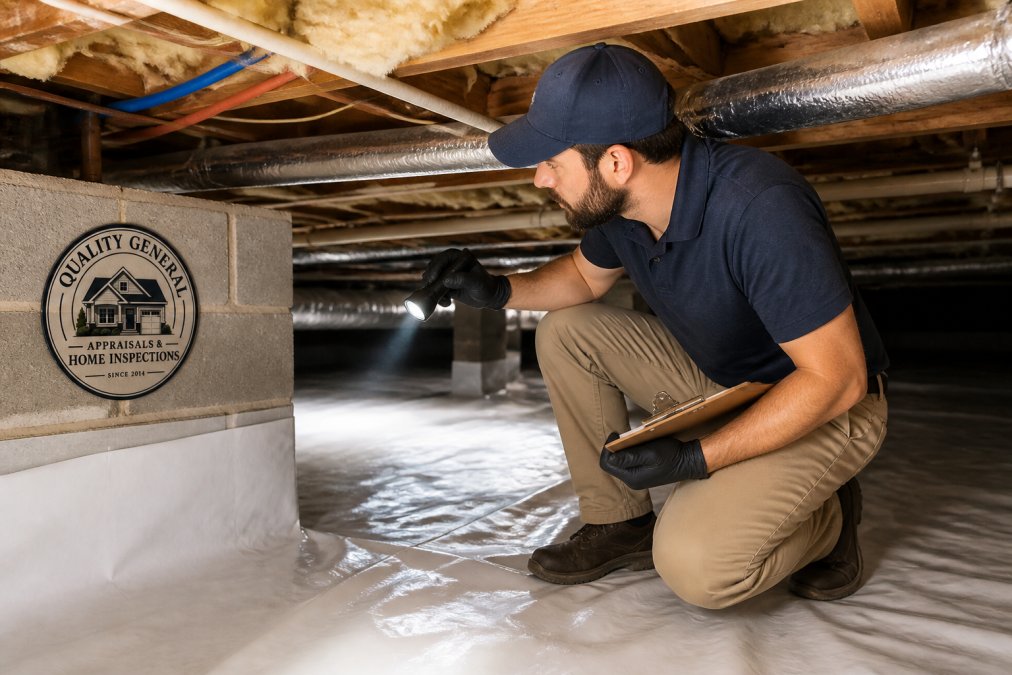
 how-to
What Is HUD Foundation Certification? A 2026 Guide
Table of Contents
- What a HUD Foundation Certification Actually Is
- FHA Manufactured Home Foundation Requirements Explained
- Who Can Sign a Licensed Engineer Foundation Certification
- How Long Does a Foundation Inspection Take?
- How to Get a HUD Foundation Certification: Step by Step
- Common Reasons a Manufactured Home Fails Certification
- Conclusion
- Frequently Asked Questions
Last Updated: September 16, 2026
What a HUD Foundation Certification Actually Is
A HUD foundation certification is a formal engineering document, signed and sealed by a licensed professional engineer or registered architect, confirming that a manufactured home's permanent foundation meets federal stability and safety standards. HUD requires that signature on 100% of manufactured home foundation certifications, per the HUD Permanent Foundations Guide for Manufactured Housing. At Quality General Appraisals & Home Inspections, we handle these certifications for homeowners across Springfield, Missouri and the surrounding region.
The document is not a general home inspection report. It is a compliance record tied to a specific federal standard, and lenders treat it that way.
Here is what most people get wrong: they assume any inspector can produce one. Only a licensed engineer or registered architect can sign it. That single requirement shapes the entire process, from who you hire to how long it takes.
Below, we break down the requirements, the signing rules, the timeline, and the steps to get certified.
FHA Manufactured Home Foundation Requirements Explained
FHA, VA, and many conventional loan programs require a HUD foundation certification for manufactured homes, according to Society Mortgage's lending requirements overview. Without it, the loan does not close.
The federal standard behind the certification is the Permanent Foundations Guide for Manufactured Housing, which sets the technical criteria for foundation systems. The guide also confirms that alternative foundation and support methods can meet compliance when a licensed professional verifies them.
What does that mean in practice? The engineer is not checking a box. They are confirming your specific foundation system, as built, against a federal benchmark. Local jurisdictions may add their own requirements on top of HUD's, which is where older manufactured homes often run into complications.
| Requirement | Who Signs or Verifies | Applies To |
|---|---|---|
| Engineered foundation design | Licensed engineer or architect | All certified homes |
| Permanent foundation installation | Installer, verified by engineer | All certified homes |
| Anchoring and tie-down system | Licensed engineer or architect | All certified homes |
| Local code additions | Local jurisdiction | Varies by area |
Who Can Sign a Licensed Engineer Foundation Certification
Only a licensed professional engineer or registered architect can sign a licensed engineer foundation certification. HUD's rules leave no room for interpretation on this point.
That restriction exists because the certification carries legal weight. The signature confirms structural adequacy, and the engineer assumes professional liability for that opinion. A home inspector, appraiser, or contractor cannot substitute for it, no matter how thorough their report is.
A complete certification package typically includes a cover page, table of contents, structural details, and photographic evidence of the foundation system, based on The BrickKicker's certification documentation standards. Photos matter because they show the lender what the engineer actually saw.
How Long Does a Foundation Inspection Take?
A foundation inspection typically takes one to two hours on site, depending on the home's size, crawlspace access, and foundation type. The site visit is only part of the timeline.
The report itself takes additional time to compile. Engineers must document the pier system, anchoring, chassis, and moisture conditions, then assemble photos and structural notes into a signed document. Rush timelines are possible, but they depend on engineer availability, not just inspector availability.
For buyers in Springfield working against a closing date, the practical advice is simple: schedule the inspection as soon as your offer is accepted. Foundation certification is often the last item lenders clear, and a delayed report can push a closing back by days.
How to Get a HUD Foundation Certification: Step by Step
Getting a HUD foundation certification follows a defined sequence: request the inspection, have a licensed engineer evaluate the foundation on site, and receive a signed, sealed report you can deliver to your lender. Each step has its own timing considerations. Should the engineer identify structural deficiencies during this assessment, you will need to address these issues promptly to fix a sinking foundation before the certification can be finalized.
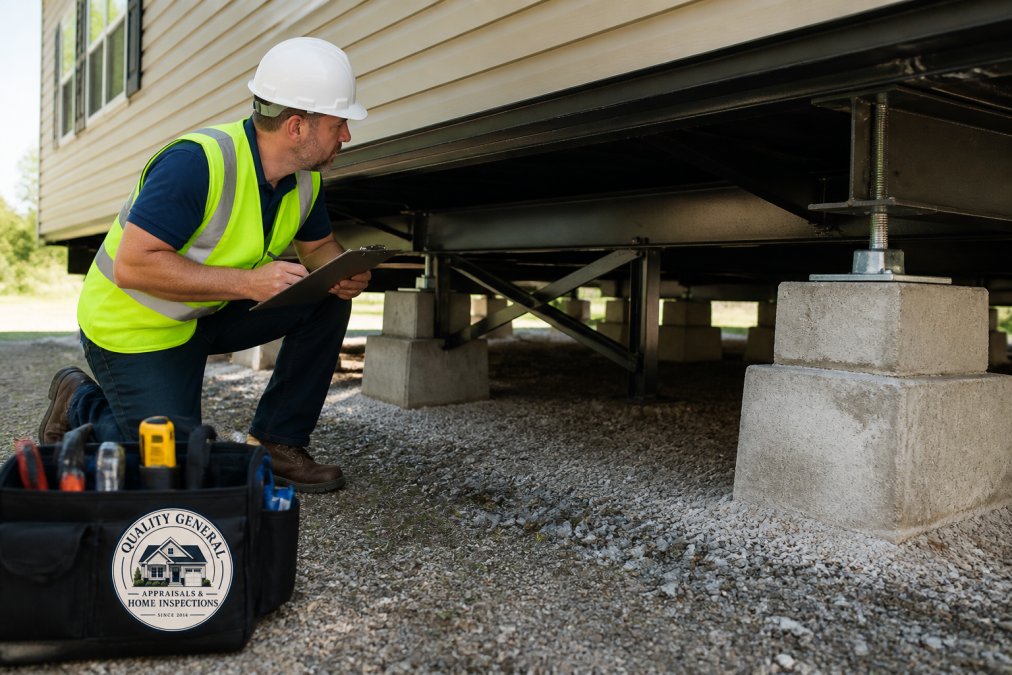
Here is the process, step by step:
- Confirm your lender's requirement. Ask whether your loan program requires a HUD certification and request the exact documentation they expect.
- Schedule the inspection. Book with a provider that works with licensed engineers. In Springfield and Southwest Missouri, Quality General Appraisals & Home Inspections coordinates HUD foundation certifications alongside other inspection services.
- Prepare access. Clear the crawlspace entry, secure pets, and make sure the foundation perimeter is visible.
- Attend the site visit if you can. The engineer will examine piers, anchors, the chassis, and drainage. Questions you ask on site often save follow-up calls.
- Receive the signed report. The final document includes structural findings and photographic evidence of the foundation system.
- Deliver it to your lender. Keep a copy for your records, especially if you plan to refinance later.
Expected result: A signed, sealed certification your lender accepts for FHA, VA, or conventional approval.
Common Reasons a Manufactured Home Fails Certification
Certification failures usually trace back to the foundation itself, not the paperwork. The most frequent issues involve inadequate piers, missing or corroded anchors, and signs of movement in the support system.
Older homes are especially vulnerable. Foundation standards have tightened over the decades, and a home installed under earlier rules may not meet current federal criteria. Local code interpretation adds another layer, since jurisdictions sometimes apply additional requirements that complicate certification for older units.
Moisture is another quiet culprit. Poor drainage around the foundation leads to soil movement, and soil movement undermines piers over time. An engineer who documents moisture problems will flag them, and lenders will want them addressed before approval.
The good news: most failures are fixable. Repairs followed by a re-inspection often resolve the issue, though it does add time to your closing schedule.
Conclusion
Foundation certification issues have a way of surfacing at the worst possible moment, usually a week before closing. The fix is preparation: know your lender's requirements early, hire a provider who works with licensed engineers, and schedule the inspection the moment your offer is accepted.
Quality General Appraisals & Home Inspections handles HUD foundation certifications for homeowners and buyers throughout Springfield and Southwest Missouri. Our team includes a Certified Master Inspector and state-certified appraisers with more than 20 years of appraisal experience, and we deliver same-day reporting with clear photographs so your lender gets what they need without back-and-forth. We also offer home inspections, radon and mold testing, sewer line scopes, and termite/WDI inspections if you want the full picture before closing.
Get started with Quality General Appraisals & Home Inspections and move into closing with your foundation documentation in order.
Frequently Asked Questions
Why is a HUD foundation certification required for manufactured homes?
Lenders use the certification to confirm that a manufactured home sits on a permanent foundation that meets federal safety and stability standards. HUD requires that 100% of manufactured home foundation certifications be signed and sealed by a licensed professional engineer or registered architect, per the Permanent Foundations Guide for Manufactured Housing. Without it, the home cannot qualify for FHA, VA, or many conventional loan programs, so the certification protects both the buyer and the lender.
Who is qualified to issue a HUD foundation certification in Missouri?
Only a licensed professional engineer or registered architect can sign and seal the certification. In Missouri, that means verifying the engineer holds an active state license before the report is submitted to your lender. A standard home inspector cannot issue this document. If you are buying a manufactured home in Springfield or anywhere in Southwest Missouri, ask for the engineer's license number and confirm the report carries a signature and seal, not just a letterhead.
Does a permanent foundation certification expire?
A HUD foundation certification reflects the condition of the foundation on the date it was inspected, so lenders often require a fresh certification for a new loan or refinance, even if an older report exists. Some lenders accept a recent report, while others want one completed within the current transaction. Because requirements vary, confirm the acceptable age with your loan officer before scheduling, and keep a copy of the signed, sealed report with your property records.
Is a foundation certification the same as a standard home inspection?
No. A standard home inspection covers the overall condition of the house, while a HUD foundation certification focuses only on whether the foundation system meets the Permanent Foundations Guide for Manufactured Housing. The certification is an engineering document signed by a licensed professional, not a general condition report. Many buyers order both: a full home inspection for the house itself and a separate certification for the lender.