 how-to
Are Home Inspections Worth the Cost?
Last Updated: October 24, 2026
Quick Summary
A home inspection is worth the cost when it finds even one issue you would have missed, and in older Springfield housing stock, that happens often. It is a visual, non-invasive examination of the roof, attic, foundation, electrical, plumbing, HVAC, and more, documented in a same-day photo report.
- A typical home inspection takes two to four hours, depending on the size and age of the house.
- The checklist covers the roof, attic, foundation, electrical panel, plumbing, HVAC, water heater, windows, and doors.
- Ask any inspector what is included, how fast you get the report, and what credentials they hold.
- Reports sort findings into safety concerns, repair items, and maintenance notes so you know what to fix first.
- Springfield homes commonly show foundation cracks, crawlspace moisture, aging panels, and roof wear from hail and sun.
Table of Contents
- What a Home Inspection Actually Covers
- How Long Does a Home Inspection Take?
- Your Home Inspection Checklist: What Gets Tested
- Home Inspection Questions to Ask Before You Hire
- Reading Your Home Inspection Report
- Common Issues Found in Springfield Homes
- Schedule Your Springfield Home Inspection
- Frequently Asked Questions
What a Home Inspection Actually Covers
A home inspection is a visual, non-invasive examination of a home's major systems and components, done to document their condition at the time of the sale. At Quality General Appraisals & Home Inspections, we perform these inspections across Springfield, Missouri and the surrounding Southwest Missouri area, and the question we hear most is simple: is it worth the money? Here is the short answer. A home inspection is worth the cost when it finds even one issue you would have missed, and in older Springfield housing stock, that happens often. The inspection covers the roof, attic, foundation, electrical panel, plumbing, HVAC, water heater, windows, doors, and visible structural elements.
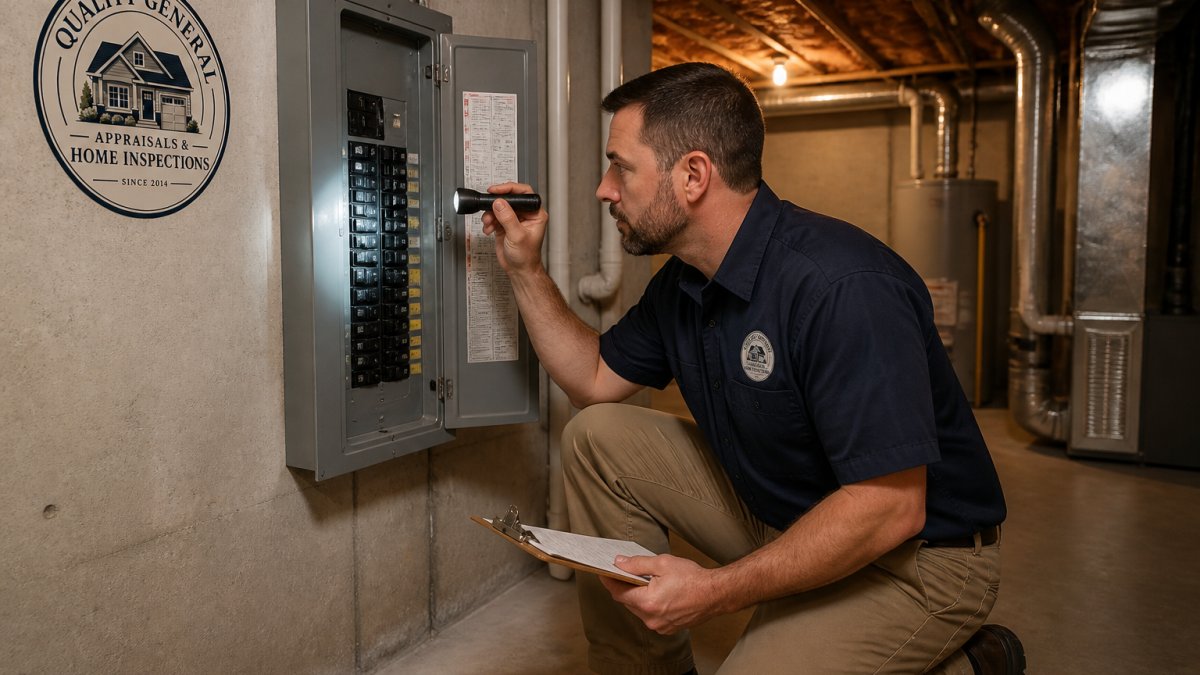
What it does not cover matters just as much. A standard inspection is not a code compliance check, and it does not tear open walls. That is why we offer add-on services like sewer line scopes, termite and WDI inspections, radon testing, and mold testing when a property calls for them. You can review our full home inspection services to see what each visit includes.
How Long Does a Home Inspection Take?
A typical home inspection takes two to four hours, depending on the size and age of the house (What is a Home Inspection?). A small, newer home may wrap up in about two hours. A larger home with a crawlspace, older wiring, and multiple HVAC units takes longer.
Here is what drives the timeline:
- Square footage: More rooms mean more time.
- Age of the home: Older homes hide more surprises.
- Foundation type: Crawlspaces and basements take extra effort.
- Add-on testing: Radon and sewer scopes add time.
We know timelines are tight when you are under contract. That is why we focus on same-day reporting, so you are not waiting days for answers.
Your Home Inspection Checklist: What Gets Tested
A home inspection checklist covers the systems that matter most for safety and cost. Here is the short version of what we test and review on site:
- Roof covering, flashing, and gutters
- Attic insulation and ventilation
- Foundation walls, slabs, and grading
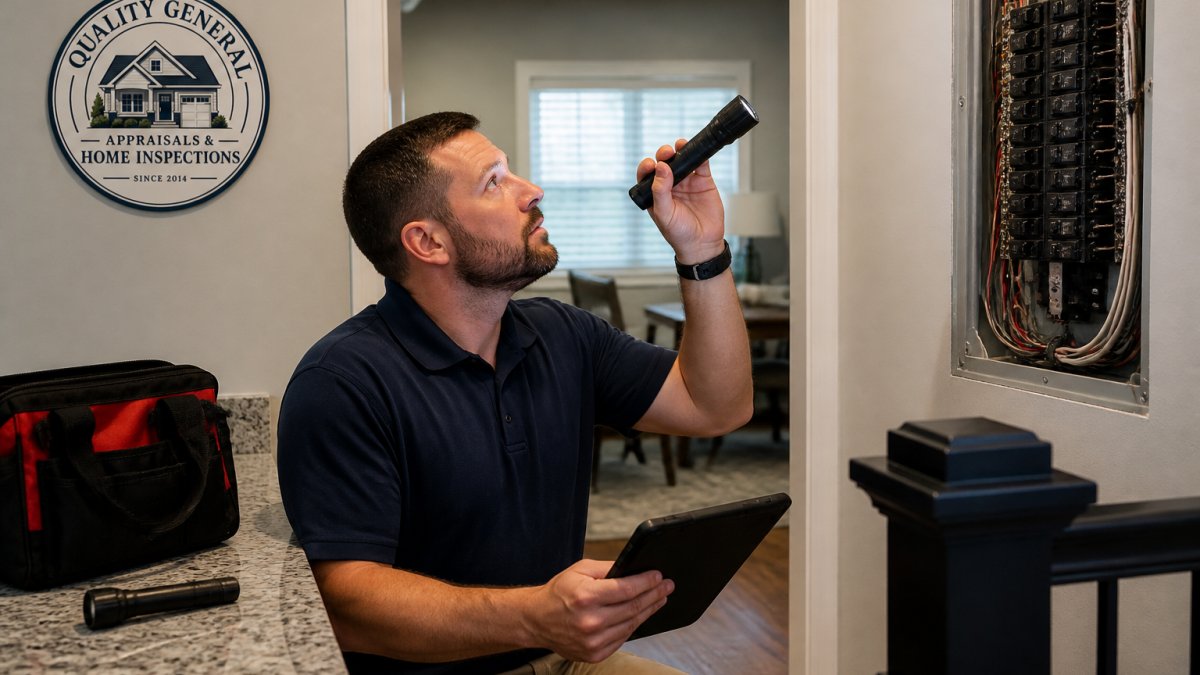
- Electrical service panel, wiring, outlets, and GFCI protection
- Plumbing supply lines, drains, and water pressure
- Water heater condition and venting
- Heating and cooling equipment operation
- Windows, doors, and visible exterior siding
- Basement or crawlspace moisture and structure
This checklist is not a warranty. It is a snapshot of condition on the day of the inspection. We use thermal imaging and moisture detection to spot problems the eye alone can miss, like hidden water intrusion behind a wall.
Home Inspection Questions to Ask Before You Hire
Ask any inspector three things before you book: what is included, how fast you get the report, and what credentials they hold. Those answers separate a thorough inspection from a quick walkthrough.
Questions worth asking:
- Are you licensed and insured?
- What does the base inspection include, and what costs extra?
- How soon will I get the report, and does it include photos?
- Can you test for radon, mold, termites, or sewer line problems?
- What happens if you miss something?
That last question matters. A good inspector explains the limits of a visual inspection up front. If you want help vetting candidates, read our guide on how to find a certified home inspector in my area. Our team includes a Certified Master Inspector, and we are veteran-owned and family-operated.
Reading Your Home Inspection Report
A home inspection report is a written record of what the inspector observed, organized by system and severity, usually with photos. The best reports separate safety issues from cosmetic ones so you know what to fix first. Critical components like furnaces and air conditioners often require specialized attention beyond a standard walkthrough, which is why consulting an HVAC safety inspection guide helps homeowners prioritize these complex mechanical risks.
Most reports sort findings into three buckets:
| Finding Type | What It Means | Your Next Step |
|---|---|---|
| Safety concern | A hazard like a bad panel or gas leak | Address before closing |
| Repair item | A system that is failing or near end of life | Get a quote, negotiate |
| Maintenance note | Minor wear or upkeep | Plan for it later |
A common mistake is reading the report like a punch list and demanding every item be fixed. Focus on safety and big-ticket repairs first. If a report reads like a technical manual you cannot follow, that is a problem with the report, not you. Our reports use plain language and clear photos. For a deeper walkthrough, see our guide on how to read home inspection reports.
Common Issues Found in Springfield Homes
Springfield homes tend to show a few recurring issues, shaped by our climate and the age of local housing. Ozarks weather swings from humid summers to freezing winters, and that cycle stresses foundations, roofs, and plumbing.
Issues we commonly document:
- Foundation cracks and settling from soil movement
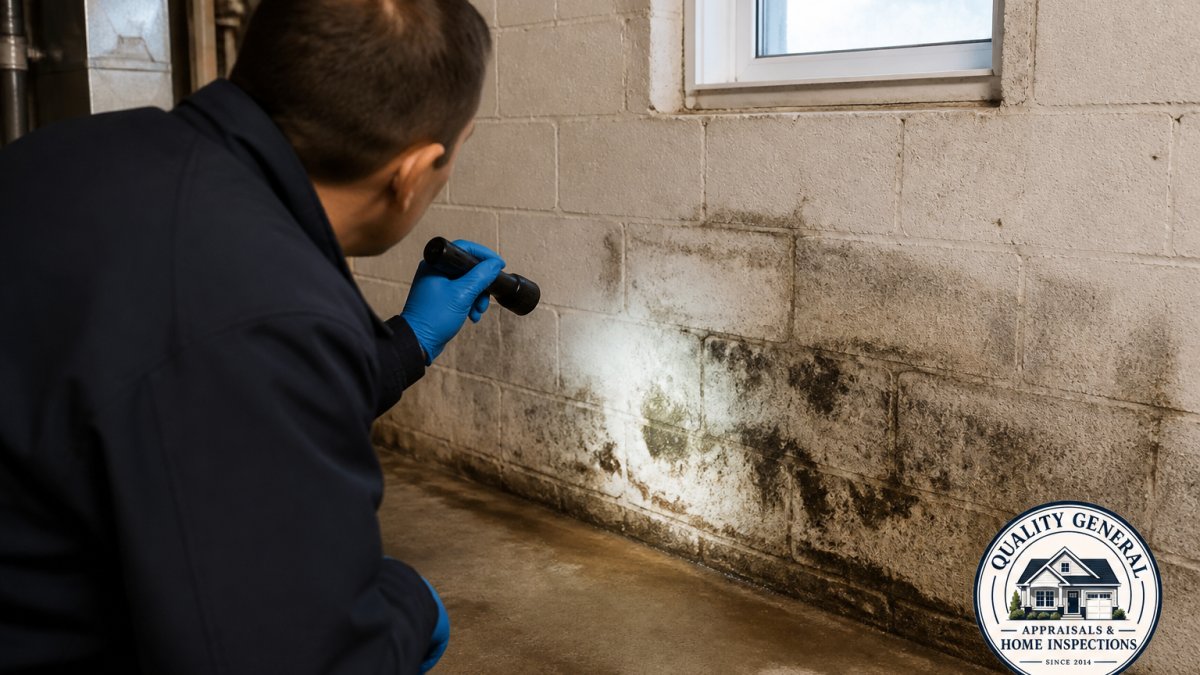
- Moisture in basements and crawlspaces
- Aging electrical panels and outdated wiring
- Roof wear from hail and sun exposure
- Settling around older sewer lines
Radon is another one worth testing for. The U.S. Environmental Protection Agency's radon guidance notes that radon is a common cause of lung cancer among non-smokers, and testing is the only way to know a home's levels. We also follow InterNACHI's residential inspection standards for how an inspection should be conducted. None of this is meant to scare you. It is meant to help you plan.
Schedule Your Springfield Home Inspection
The cost of a home inspection is small next to the repairs it can uncover. If you are buying, selling, or just want to know your home's condition, we can help. We serve Springfield and nearby communities like Nixa, Ozark, Republic, and Branson.
A few reasons buyers and agents call us:
- Same-day reports with clear photos
- A Certified Master Inspector on staff
- Advanced tools, including thermal imaging and sewer cameras
- A 6-month home warranty included with full inspections
If you are weighing the value, you can contact us to discuss pricing and how it fits your budget. When you are ready, contact us and we will get you on the schedule.
Frequently Asked Questions
What does a home inspection include?
A standard home inspection covers the roof, attic, structural components, electrical system, plumbing, HVAC, insulation, and visible foundation. In Springfield and Southwest Missouri, inspectors also check for moisture intrusion and crawlspace conditions common to the area. Specialized services like radon testing, mold testing, sewer line scopes, and termite/WDI inspections are separate add-ons because they require dedicated equipment. Ask ahead of time which systems are included so you know what your report will and won't cover.
How long does a home inspection take?
Most single-family homes take two to four hours, depending on square footage, age, and how many systems need close attention. Older homes or properties with crawlspaces and multiple HVAC units run longer. If you're adding radon or sewer scopes, plan for extra time. A thorough inspector won't rush, so treat the window as a working appointment rather than a quick walkthrough, and plan to attend if your schedule allows.
Should I attend my home inspection?
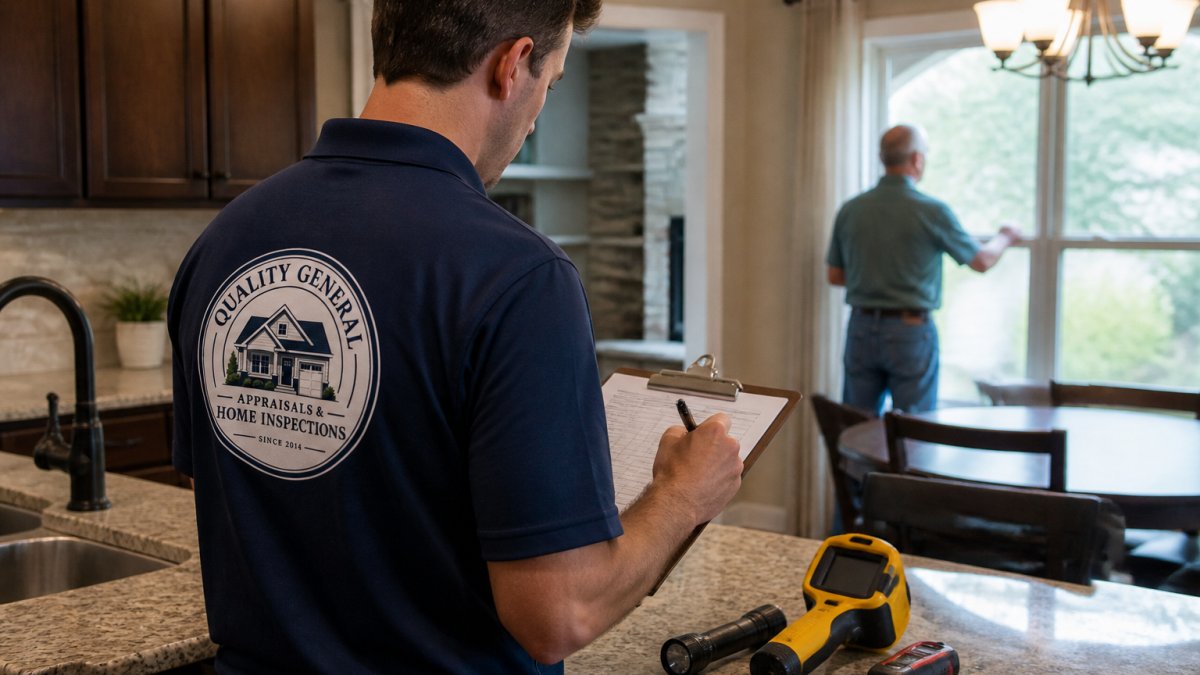
Attending is one of the best ways to get value from a home inspection. You can watch the inspector test systems, ask questions in real time, and see issues firsthand rather than reading about them later. Bring a notepad and ask about maintenance items you'll need to handle after closing. If you can't attend, request a photo-based report and a follow-up call so nothing gets lost between the inspection and your repair negotiations.
Is a home inspection required when buying a house?
No federal law requires a home inspection, but most purchase contracts include an inspection contingency, and lenders may require certain inspections for FHA, VA, or USDA loans. Skipping one saves money upfront but leaves you responsible for unknown repairs after closing. In practice, an inspection is the cheapest way to learn what you're actually buying before you commit.
What is the difference between a home inspection and an appraisal?
A home inspection documents the condition of the property: what's working, what's failing, and what needs repair. An appraisal estimates market value for the lender. They answer different questions, and buyers often need both. In Southwest Missouri, some firms provide both services, which can simplify scheduling when you're working against a tight closing timeline.
Is a home inspection worth it? We think the better question is whether you can afford to skip one. Quality General Appraisals & Home Inspections gives you same-day reports, photo-based findings, and a team with a Certified Master Inspector, so you can move forward with confidence. Get started with Quality General and schedule your Springfield home inspection today.