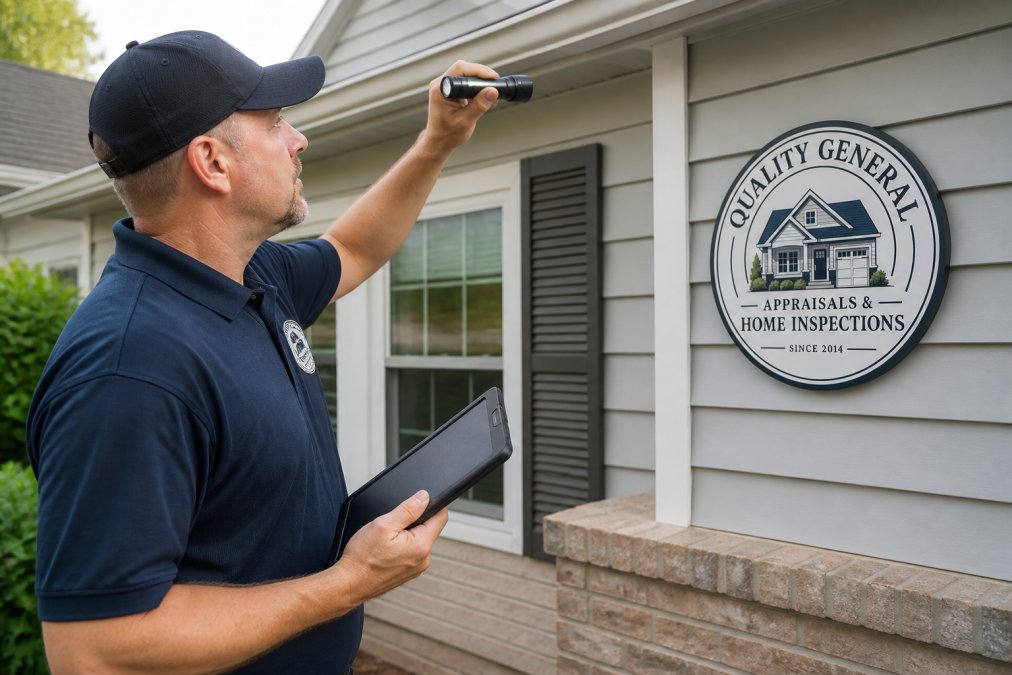
 how-to
How to Find a Certified Home Inspector in My Area
Table of Contents
- What Makes a Home Inspector Certified in Missouri
- How to Verify a Home Inspector's Credentials Before You Book
- Questions to Ask a Home Inspector Before Hiring
- What to Expect During a Home Inspection
- The Importance of Thermal Imaging in Home Inspections
- Red Flags When Choosing an Inspector in Springfield, MO
- Frequently Asked Questions
Last Updated: September 19, 2026
What Makes a Home Inspector Certified in Missouri
Finding a certified home inspector starts with knowing what "certified" actually means in Missouri. Missouri does not license home inspectors at the state level, so anyone with a flashlight can print a business card. That surprises most buyers.
A certified home inspector is a professional who has completed training through a recognized industry body and passed its exam. The two names you will see most often are InterNACHI and ASHI. Neither is a government license. Both signal that the inspector met a standard beyond a business license.
That gap matters. According to [AmeriSave's home inspection(https://qgahomeinspections.com/home-inspection-ozark) data | amerisave.com], 86% of home inspections identify at least one problem with the property. The person writing that report is making judgment calls about your largest purchase.
License, Certification, and What Each One Means
Missouri has no state licensing board for home inspectors. Certification comes from trade associations instead.
- License: A state-issued permit to work. Missouri does not issue one for home inspectors.
- Certification: Proof of training and testing through a group like InterNACHI.
- Certified Master Inspector: An advanced designation earned after years of inspections and continuing education.
Quality General Appraisals & Home Inspections keeps a Certified Master Inspector on staff, which is the top tier of that ladder.
How to Verify a Home Inspector's Credentials Before You Book
Verification takes about ten minutes and saves months of regret. Ask for the inspector's certification number, then look it up yourself in the issuing body's directory.
The InterNACHI inspector database lists more than 27,398 inspectors. If your inspector is not in it, ask why.
Then check three more things:
- Years in the field. Consumer advocates suggest at least five years or a trade background.
- Insurance. Ask for proof of errors and omissions coverage.
- Sample report. Request a recent one and read it, not just the photos.
Consumer Reports guidance on choosing a home inspector notes that recommendations from friends and family who recently bought a home remain one of the main ways people find good inspectors. Reviews help, but they should never replace a credential check.
Questions to Ask a Home Inspector Before Hiring
The right questions separate a thorough inspector from a fast one. Start with scope: what does the base inspection cover, and what costs extra?
Ask these before you book:
- What certifications do you hold, and what is your certification number?
- How long have you been inspecting homes?
- What does your report include, and how soon will I get it?
- Do you inspect the roof, crawlspace, and attic?
- Which tests cost extra, such as radon, mold, or sewer scopes?
- Can you walk me through the findings after the inspection?
That last one matters more than people expect. A report you cannot understand is a report you cannot use.
What to Expect During a Home Inspection
A standard home inspection takes two to three hours and covers the home's major systems. The inspector examines the roof, foundation, electrical panel, plumbing, HVAC, attic, and crawlspace, then documents what they find.
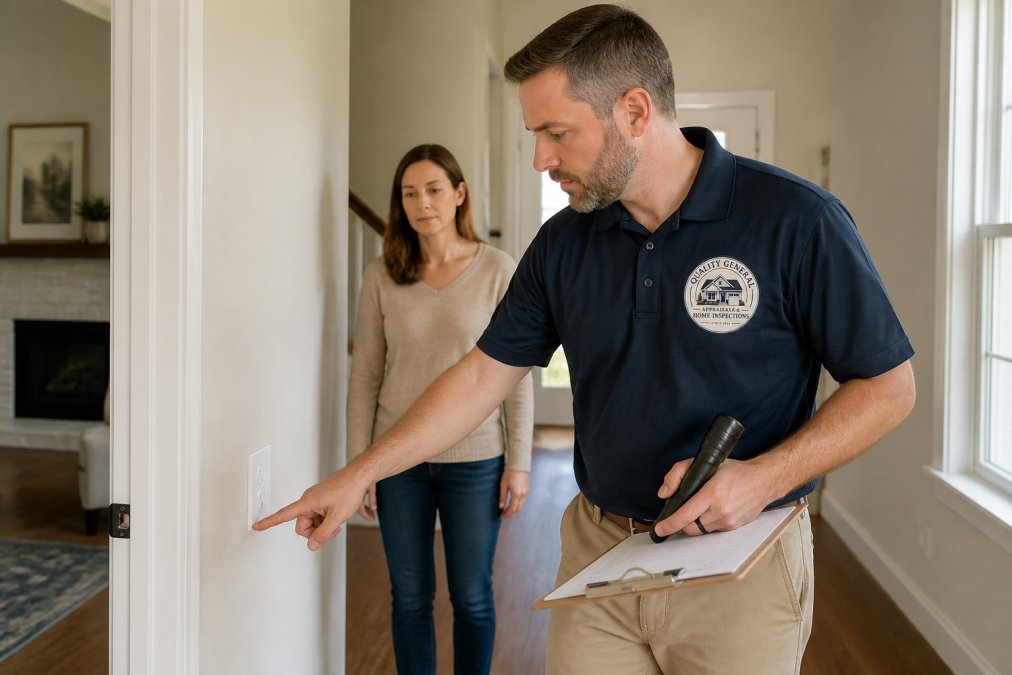
You do not have to attend, but you should. Following the inspector lets you ask questions in the moment and see problems firsthand.
Most inspections end with a photo-based report. A good report explains each issue in plain language, shows the problem, and notes whether it is a safety concern, a repair item, or routine maintenance. Understanding these categories helps you prioritize your own observations when determining what to check during a home inspection.
Quality General Appraisals & Home Inspections delivers same-day reports with photos, which keeps tight closing timelines on track.
The Importance of Thermal Imaging in Home Inspections
Thermal imaging uses an infrared camera to read temperature differences on surfaces. It finds problems the naked eye cannot see, like hidden moisture, missing insulation, and overheating electrical connections.
This matters in Southwest Missouri. Homes here deal with humid summers and freezing winters, and both stress a building's envelope. A slow leak behind drywall may never show on a visual walk-through. An infrared camera often catches it.
Thermal imaging is not a replacement for a standard inspection. It is a second layer of evidence. When it is paired with moisture detection, it can confirm whether a dark spot on the ceiling is an active leak or an old stain.
For buyers, that distinction is the difference between a repair negotiation and a non-issue.
Red Flags When Choosing an Inspector in Springfield, MO
Watch for these warning signs before you sign anything:
- No verifiable certification number
- No sample report available
- Pressure to skip tests you asked about
- Reports delivered weeks after the inspection
- No clear answer about what the base inspection covers
Availability matters too. If an inspector cannot handle back-to-back appointments for your agent's clients, timelines slip.
Springfield buyers should also confirm the inspector serves their area. Some providers cover the city but not outlying communities like Nixa, Ozark, or Republic. Ask directly whether your address is in the service area before booking.
| Red Flag | What It Signals | What to Do Instead |
|---|---|---|
| No certification number | No verified training | Look the number up in the issuing body's directory |
| No sample report | Unclear report quality | Request one and read it before booking |
| Vague scope answers | Hidden extra fees | Get the scope in writing |
| Slow report delivery | Closing delays | Confirm turnaround time upfront |
| No local coverage | Travel delays | Verify your address is in the service area |
Buying a home in Springfield means making decisions on a clock. A certified home inspector gives you clear information before that clock runs out. Quality General Appraisals & Home Inspections offers home inspections, thermal imaging, sewer line scopes, radon and mold testing, and same-day photo reports, backed by a Certified Master Inspector and more than a decade of local inspection experience. Schedule your inspection with Quality General Appraisals & Home Inspections and walk into closing with the full picture.
Frequently Asked Questions
What certifications should a home inspector in Missouri have?
Look for an inspector who holds membership in a recognized industry association such as InterNACHI, which lists over 27,398 inspectors in its database. Ask whether they carry the Certified Master Inspector designation, which requires years of documented inspections and continuing education. In Missouri, inspectors should also be able to show proof of insurance and any specialty credentials, such as licensed pest inspection or radon testing certification, depending on the services you need.
How do I verify if a home inspector is certified in my area?
Start by checking the inspector's profile in the InterNACHI database or another industry association directory. Ask for a sample report so you can judge the clarity and detail before hiring, a step Consumer Reports and many buyer communities recommend. A short phone call to confirm credentials and insurance coverage takes only a few minutes and prevents surprises later.
Should I hire the inspector recommended by my real estate agent?
You can consider your agent's recommendation, but the choice should be yours. Consumer Reports notes that recommendations from friends and family who recently bought a home are a primary way buyers find reputable inspectors. Ask your agent for two or three names, then verify each one independently through the state license lookup and a sample report request. This keeps the process transparent and ensures the inspector works for you, not the transaction timeline.
What equipment should a professional home inspector use?
A well-equipped inspector carries moisture meters, infrared thermal imaging cameras, gas detectors, and electrical testers. Thermal imaging helps reveal hidden moisture, insulation gaps, and overheating electrical components that a visual walkthrough can miss. Sewer line scopes and crawlspace cameras are also valuable for older Springfield homes. Ask what equipment the inspector brings and whether the report includes photos from each tool, since 86% of inspections find at least one problem.