 how-to
How to Tell If Foundation Settlement Affects Home Value
Last Updated: November 1, 2026
Quick Summary
Foundation settlement affects home value by lowering what buyers will pay and adding uncertainty that lowers it further, and lenders may require a structural opinion before funding a loan. A house with a visible crack and no paperwork typically sells for less than one with the same crack and a clean engineering report.
- An appraiser documents visible movement and adjusts the condition rating rather than testing soil.
- FHA and VA loans often require a structural opinion when movement is visible, and a HUD foundation certification may be requested.
- A disclosed, documented issue usually costs less than a hidden one found after the buyer's inspection.
- Build a file with the engineer's report, contractor scope, permits, invoices, photos, and any transferable warranty.
- Photograph cracks and gaps with a tape measure for scale, and leave the signs visible for the inspection report.
Table of Contents
- Does Foundation Settlement Affect Home Value?
- Signs of Foundation Settlement Every Homeowner Should Recognize
- How Foundation Settlement Shows Up in a Home Appraisal
- Selling a House With Foundation Problems: What to Expect
- Foundation Repair Documentation for Home Sale
- Steps to Take When You Suspect Settlement in Springfield, Missouri
- Schedule an Inspection Before Settlement Affects Your Sale
- Frequently Asked Questions
Does Foundation Settlement Affect Home Value?
Yes. Foundation settlement affects home value, and it usually affects it in two ways at once. The damage lowers what a buyer will pay, and the uncertainty around the repair lowers it further. Lenders add a third layer when they require a structural opinion before they will fund a loan.
A house with a visible crack and no paperwork typically sells for less than a house with the same crack and a clean engineering report.
Below, we break down how settlement shows up in an appraisal, what sellers should expect, and the steps that protect your value. The short version: documented problems cost less than undocumented ones.
Signs of Foundation Settlement Every Homeowner Should Recognize
Foundation settlement is the downward movement of a house's foundation into the soil beneath it. It happens when soil shifts, compresses, or dries out unevenly.
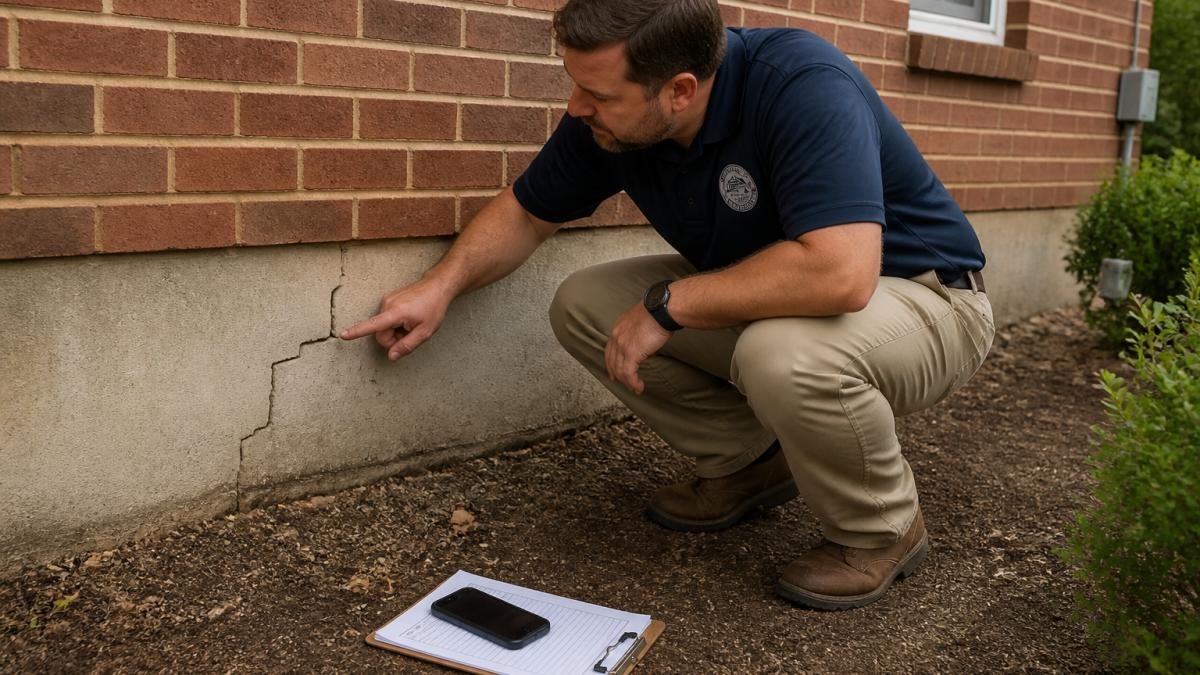
Watch for these signals:
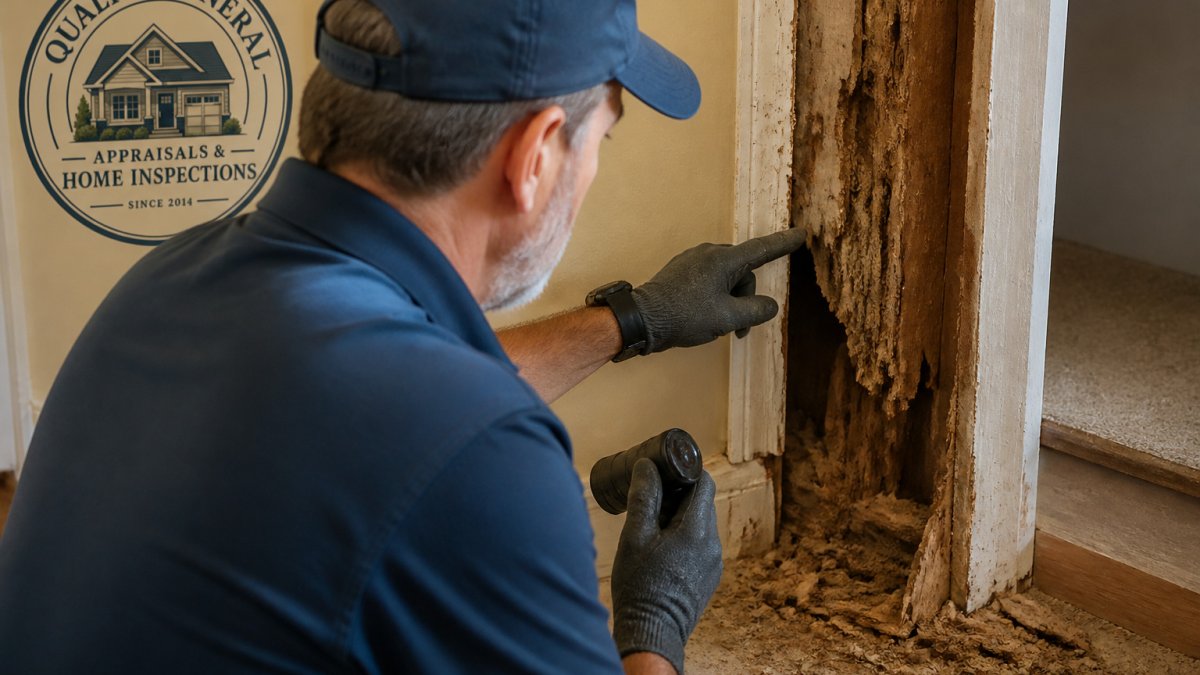
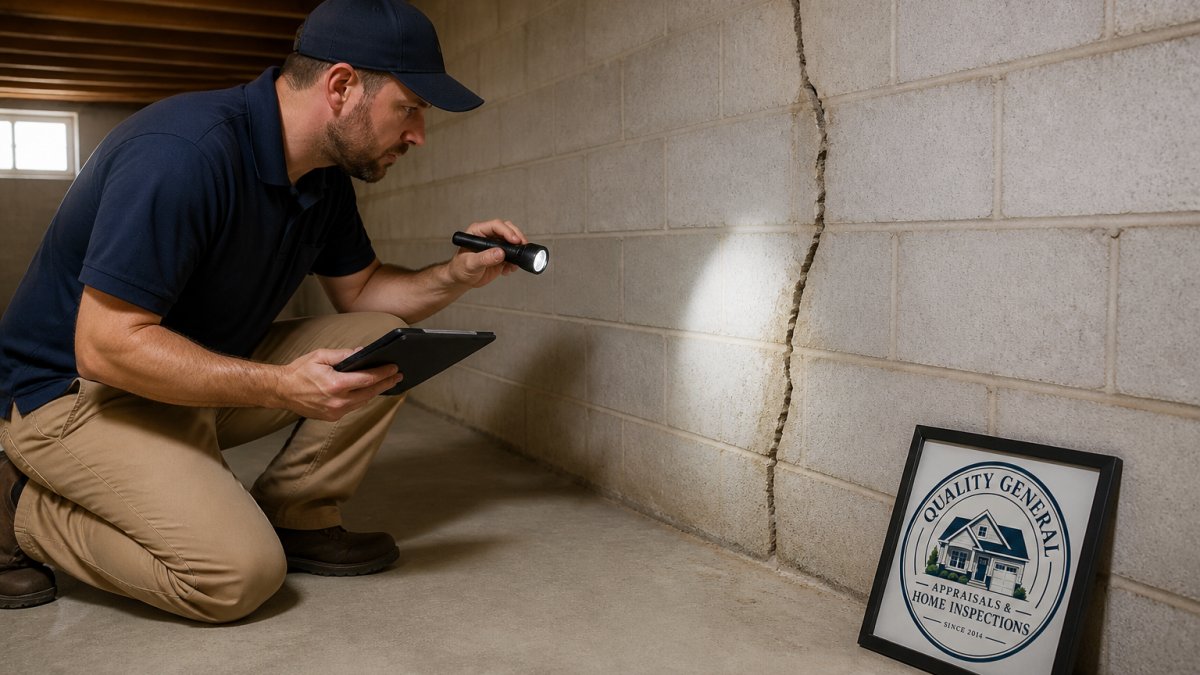
- Stair-step cracks in brick or block walls
- Doors and windows that stick or won't latch
- Cracks above door frames and window corners
- Sloping or uneven floors
- Gaps between exterior walls and trim
- Chimneys pulling away from the house
Soils that shrink and swell with the seasons are a common driver of foundation movement in many areas. Readers can find how to prevent foundation issues in Missouri homes for practical prevention guidance.
One crack is not a verdict. A pattern of movement is.
How Foundation Settlement Shows Up in a Home Appraisal
An appraiser does not test the soil. An appraiser documents what is visible and adjusts value for condition and market reaction.
That means settlement shows up in three places:
- Condition adjustments. Visible movement lowers the condition rating, and the comparable sales get adjusted accordingly.
- Lender flags. FHA and VA loans often require a structural opinion when movement is visible. A HUD foundation certification may be requested before closing.
- Market evidence. Appraisers look at how local buyers respond to homes with disclosed foundation issues.
An appraiser who sees a crack and a repair report generally prices the house differently than one who sees a crack and nothing else. Readers can visit our appraisals page to see how a professional appraisal documents foundation conditions and affects value. Documented conditions with photos and notes help the lender see the full picture.
Selling a House With Foundation Problems: What to Expect
Selling a house with foundation problems follows a predictable path. Buyers ask questions, lenders ask for documents, and the negotiation centers on who pays for what.
Expect these stages:
| Stage | What Happens | What You Need |
|---|---|---|
| Disclosure | You report known movement | Honest written disclosure |
| Buyer inspection | Inspector documents cracks and slope | Clear photos and notes |
| Lender review | Underwriter may require structural opinion | Engineer letter or certification |
| Negotiation | Buyer requests credit or repair | Repair estimates and invoices |
| Closing | Title transfers with conditions resolved | Signed repair documentation |
The worst outcome is a surprise found late. A disclosed, documented issue usually costs less than a hidden one that surfaces after the buyer's inspection.
Foundation Repair Documentation for Home Sale
Foundation repair documentation is the paper trail that proves what was fixed, when, and by whom. It is the single most valuable asset a seller with settlement issues can hold.
Build a file with:
- The original engineer's report
- The contractor's scope of work
- Permits pulled for the repair
- Invoices showing completed work
- Photos before, during, and after
- Any transferable warranty on the repair
Buyers and lenders generally give more weight to a documented repair than to a verbal assurance.
If a repair was done years ago and records are gone, a fresh inspection can rebuild credibility. It won't replace the original file, but it gives the next buyer something to rely on.
Steps to Take When You Suspect Settlement in Springfield, Missouri
Start with a professional inspection. An inspector documents the condition of the property.
Here is how we would handle it:
- Photograph everything. Cracks, gaps, and sticking doors, with a tape measure for scale.
- Note the timing. When did each sign appear, and did it change with the seasons?
- Book an inspection. A home inspection in Springfield confirms whether the movement is structural or cosmetic.
- Get an engineer's opinion if movement is active. An inspector flags it; an engineer diagnoses it.
- Collect repair documents if work was already done.
- Share the file with your agent and lender early. Surprises cost more at closing.
Leave the signs visible so the inspection report can document them.
Schedule an Inspection Before Settlement Affects Your Sale
The cheapest time to deal with settlement is before it reaches a negotiation table. A clear report can help you understand your property's condition before listing.
Our team includes a Certified Master Inspector and provides detailed, photo-based reports. We offer home inspections across Springfield and the surrounding Southwest Missouri communities, along with radon testing, sewer line scopes, and moisture detection. If you suspect movement, don't wait for a buyer to find it first.
Frequently Asked Questions
Does foundation settlement affect home value?
Yes, foundation settlement can affect home value, but the size of the effect depends on severity and documentation. Minor, stable settlement with no interior damage often has little impact on an appraisal. Active movement, wide cracks, or uneven floors can lower the appraised value or push buyers to request repairs or credits. Getting a professional inspection and clear repair records is the most reliable way to protect value before listing.
How does foundation settlement show up in a home appraisal?
Appraisers look for visible evidence such as cracks, sloping floors, sticking doors, and gaps around windows, then compare the home to similar properties in the area. If settlement is visible and unrepaired, the appraiser may adjust the value downward or note it as a condition of the appraisal. Documented repairs and engineering reports help an appraiser treat the issue as resolved rather than ongoing.
Can you sell a house with foundation settlement?
You can sell a house with foundation settlement, but disclosure rules and buyer financing matter. Sellers are generally expected to disclose known foundation issues, and lenders may request a structural opinion if settlement is visible. Repairing first, or providing a clear inspection report and repair estimate, usually leads to a smoother sale than leaving buyers to guess.
Does foundation repair increase home value?
Foundation repair does not usually add value beyond what was lost to the defect, but it removes a discount buyers would otherwise demand. Completed repairs with transferable warranties and photo documentation let appraisers and buyers treat the home as sound. In practice, the value protection comes from avoiding low offers and financing problems rather than from a premium above market.
Foundation settlement is a solvable problem when it is documented early and honestly. Get started with Quality General Appraisals & Home Inspections and walk into your sale with a report that answers the questions before anyone asks them.