 ultimate-guide
How to Prevent Foundation Issues in Missouri Homes
Last Updated: October 25, 2026
Quick Summary
Foundation issues in Missouri are caused by the state's clay-rich soil that expands when wet and shrinks when dry, combined with freeze-thaw cycles and heavy spring rainfall. These environmental factors create constant stress on concrete foundations, leading to cracks, settling, and structural shifts over time.
- Vertical cracks less than 1/8 inch wide are usually normal settlement, while horizontal cracks wider than 1/4 inch indicate serious structural stress.
- Proper grading should slope away from the foundation at minimum 5 percent grade for at least 10 feet to prevent water pooling.
- Downspout extensions should direct water at least 4 to 6 feet away from the foundation to avoid saturating soil.
- Early detection through regular monitoring and professional inspection can prevent minor issues from becoming expensive repairs.
Table of Contents
- Why Missouri's Climate and Soil Create Foundation Challenges
- Common Signs of Foundation Problems to Watch For
- How Foundation Drainage Around a House Protects Your Property
- Understanding Foundation Cracks in Missouri Homes
- Practical Steps Homeowners Can Take Now
- Getting a Foundation Inspection in Springfield MO
- Schedule Your Foundation Assessment Today
- Frequently Asked Questions
Why Missouri's Climate and Soil Create Foundation Challenges
Missouri's climate and soil conditions create a perfect storm for foundation issues in Missouri. The state experiences significant seasonal temperature swings, heavy spring rainfall, and clay-rich soil that expands and contracts with moisture changes. These environmental factors are often the root cause of foundation issues encountered in Springfield and throughout Southwest Missouri.
The soil beneath most Missouri homes contains high clay content. When clay becomes saturated during wet seasons, it expands. During dry periods, it shrinks and pulls away from the foundation. This constant movement puts stress on concrete and can lead to cracks, settling, and structural shifts over time.
Freeze-thaw cycles compound the problem. Winter temperatures in Missouri regularly dip below freezing, and spring brings rapid warming. Water that enters small cracks in concrete freezes and expands, forcing cracks wider. This cycle repeats each year, gradually weakening the foundation's integrity.
Improper drainage around the home accelerates these issues. When water pools against the foundation instead of flowing away, hydrostatic pressure builds. This pressure pushes against foundation walls and can force water through cracks into basements and crawlspaces.
Common Signs of Foundation Problems to Watch For
Foundation problems rarely announce themselves dramatically. Instead, they develop quietly over months or years, leaving subtle clues that homeowners often miss. Recognizing early warning signs can mean the difference between a minor repair and a major structural issue.
Visible cracks in the foundation are the most obvious indicator. Horizontal cracks are particularly concerning because they suggest structural stress. Diagonal cracks at 45-degree angles often indicate settling or lateral pressure.
Interior wall cracks frequently mirror foundation problems. If you notice new cracks in drywall, especially near corners of windows and doors, the foundation may be shifting. These cracks often appear in stair-step patterns along mortar joints in brick homes.
Doors and windows that stick or won't close properly indicate foundation movement. As the foundation settles unevenly, it throws door frames and window frames out of square. This is especially noticeable in exterior doors that suddenly require force to close.
Bowing or bulging basement walls signal serious structural stress. Walls that curve inward or outward have usually been under pressure from soil and water for some time. This requires immediate professional attention.
Water seepage or dampness in basements and crawlspaces suggests drainage problems or hydrostatic pressure issues. Even minor moisture can indicate that water is finding its way through the foundation.
Uneven or sloping floors inside the home often correlate with foundation settling. You can test this by rolling a marble across the floor or using a level. Significant slopes suggest the foundation has settled unevenly.
Understanding these signs helps you catch problems early. For residents in Springfield and the surrounding area, read more about signs of mold in basement walls: detection & prevention, as moisture problems often accompany foundation issues in Missouri.
How Foundation Drainage Around a House Protects Your Property
Proper drainage is your foundation's best defense against moisture and structural problems. Water is the enemy of concrete and soil stability, and controlling where water goes is the single most effective way to prevent foundation damage.
Surface water management starts at ground level. Grading around your home should slope away from the foundation at a minimum of 5 percent grade for at least the first 10 feet. This ensures that rainwater and snowmelt run away rather than pooling against the foundation wall.
Gutter systems and downspouts direct roof runoff away from the foundation. Gutters should be kept clean and free of debris so water flows freely. Downspout extensions should direct water at least 4 to 6 feet away from the foundation. Without proper downspout placement, concentrated water from roof runoff can saturate soil directly adjacent to the foundation.
Subsurface drainage systems handle water below ground level. Perimeter drain tile (also called foundation drains) is installed around the base of the foundation to intercept groundwater before it reaches the foundation wall. These systems channel water to a sump pump or daylight drain.
Sump pumps remove water that collects in a sump pit. They're essential in areas with high water tables or heavy clay soil. A functioning sump pump with a backup power source can prevent thousands of dollars in water damage.
French drains are shallow trenches filled with gravel that redirect surface water away from problem areas. These work well for managing water that collects in low spots around the foundation.
The combination of proper grading, functional gutters, and adequate drainage systems protects your foundation by keeping water away from the structure. Without these protections, even well-built foundations deteriorate over time.
Understanding Foundation Cracks in Missouri Homes
Foundation cracks are common in Missouri homes, but not all cracks indicate serious problems. Understanding the difference between normal settlement cracks and warning signs helps you respond appropriately.
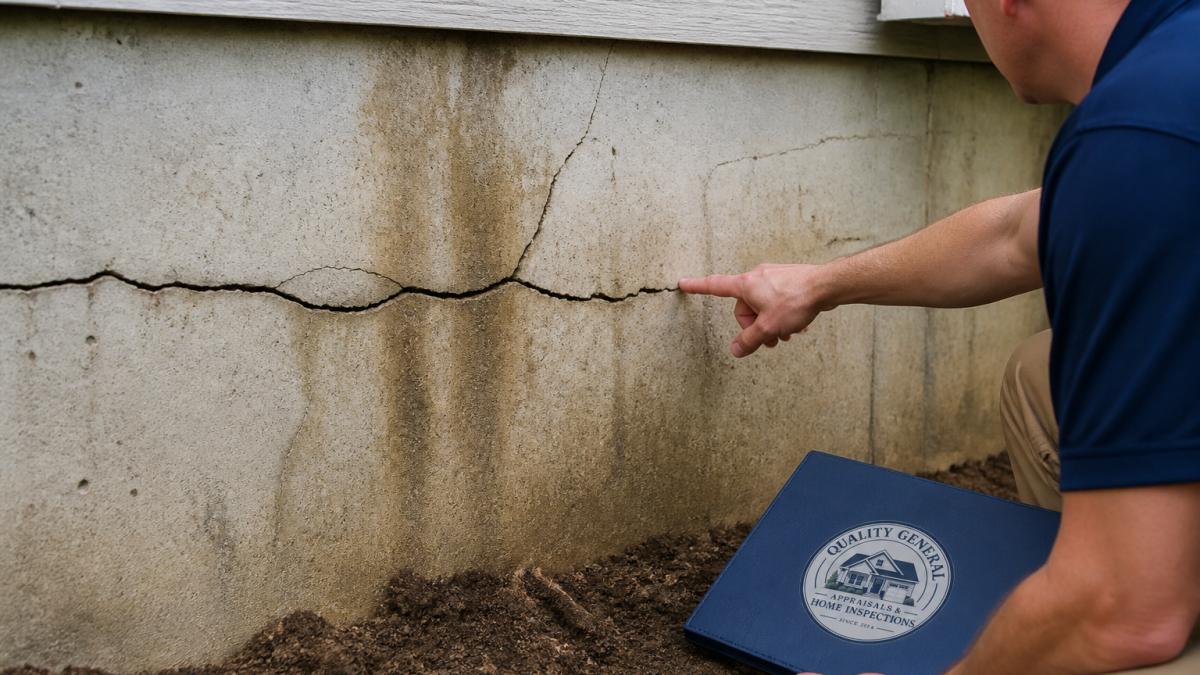
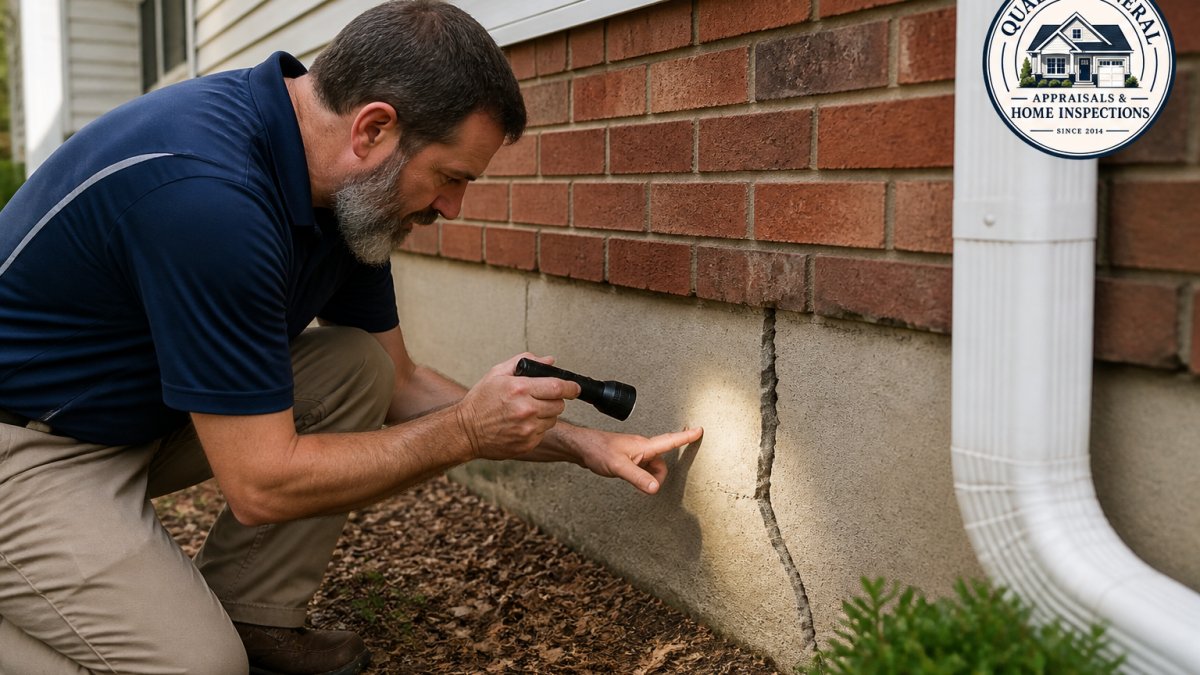
Vertical cracks are usually the least concerning. They often form as concrete cures and shrinks during the first few years after construction. Vertical cracks wider than 1/4 inch or those that continue to grow should be monitored, but they're rarely structural emergencies.
Horizontal cracks warrant more attention. These typically indicate lateral pressure from soil or water pushing against the foundation wall. Horizontal cracks can signal serious structural stress and should be evaluated by a professional.
Diagonal cracks at 45-degree angles often indicate uneven settling. They suggest that one part of the foundation is moving differently than another. This can result from inconsistent soil conditions, poor drainage, or inadequate foundation support in certain areas.
Stair-step cracks in brick or block foundations follow the mortar joints in a diagonal pattern. These frequently indicate foundation settling and warrant professional inspection.
Cracks at corners of windows and doors often correspond to foundation movement. As the foundation shifts, it puts stress on the frame opening, causing cracks to radiate outward.
The key is distinguishing between normal shrinkage cracks (typically less than 1/8 inch wide, stable, and not growing) and cracks that indicate ongoing problems (wider than 1/4 inch, growing visibly, or accompanied by other signs like bowing walls or water seepage).
Foundation cracks vary in seriousness depending on their type, direction, and behavior.
| Crack Type | Appearance | Concern Level | What It Suggests |
|---|---|---|---|
| Vertical | Straight up and down | Low to moderate | Normal settling or concrete shrinkage |
| Horizontal | Straight across | High | Lateral pressure from soil or water |
| Diagonal | 45-degree angle | Moderate to high | Uneven settling in different areas |
| Stair-step | Follows mortar joints diagonally | Moderate to high | Foundation settling in brick or block |
| Corner cracks | Radiating from window or door | Moderate | Foundation movement stressing frames |
Practical Steps Homeowners Can Take Now
You don't need to wait for professional inspection to start protecting your foundation. Several practical steps can reduce risk and slow the progression of existing problems.
Maintain proper grading around your home. Check that soil slopes away from the foundation. If you notice water pooling against the foundation after rain, add soil to raise the grade or create a berm to redirect water.
Keep gutters clean. Clogged gutters cause water to overflow and saturate soil near the foundation. Clean gutters twice yearly, especially in fall when leaves accumulate.
Extend downspouts. If downspouts terminate near the foundation, add extensions to move water at least 4 to 6 feet away. This simple fix prevents concentrated water from saturating the soil around your foundation.
Monitor existing cracks. Take photos of visible cracks and note the date. Photograph them again in a few months. If cracks are stable and not growing, they're likely normal settlement.
Control indoor humidity. High humidity in basements and crawlspaces accelerates concrete deterioration and promotes mold growth. Use a dehumidifier if moisture levels are consistently above 60 percent.
Keep gutters and drainage clear. Ensure that any existing drainage systems around your home are functioning. Clear debris from French drains, check that sump pumps are operational, and verify that drain tile outlets are not blocked.
Inspect your basement or crawlspace regularly. Walk through these areas monthly, looking for new cracks, water stains, or moisture. Early detection of problems makes them easier to address.
These steps are preventive measures, not replacements for professional inspection. They reduce risk and help you catch problems early, but they don't substitute for expert evaluation when signs of foundation problems appear.
Getting a Foundation Inspection in Springfield MO
Professional foundation inspection is the most reliable way to assess your home's structural condition. Inspectors use specialized equipment and trained observation to identify problems that homeowners typically miss.
A thorough foundation inspection includes visual evaluation of the entire foundation, both interior and exterior. The inspector looks for cracks, bowing, settling, water damage, and signs of previous repairs. Modern inspections often include thermal imaging to detect moisture patterns and moisture detection tools to identify hidden water problems.
The inspector evaluates drainage systems, checking that gutters, downspouts, and grading are functioning properly. They assess the condition of any existing sump pumps or drain tile systems. They also note the foundation type, age, and any previous repairs or modifications.
For homes in Southwest Missouri, foundation inspection is especially important because of our region's clay soil and seasonal moisture fluctuations. Learn more about HUD foundation certification, which is required for certain lending scenarios and provides detailed documentation of foundation condition.
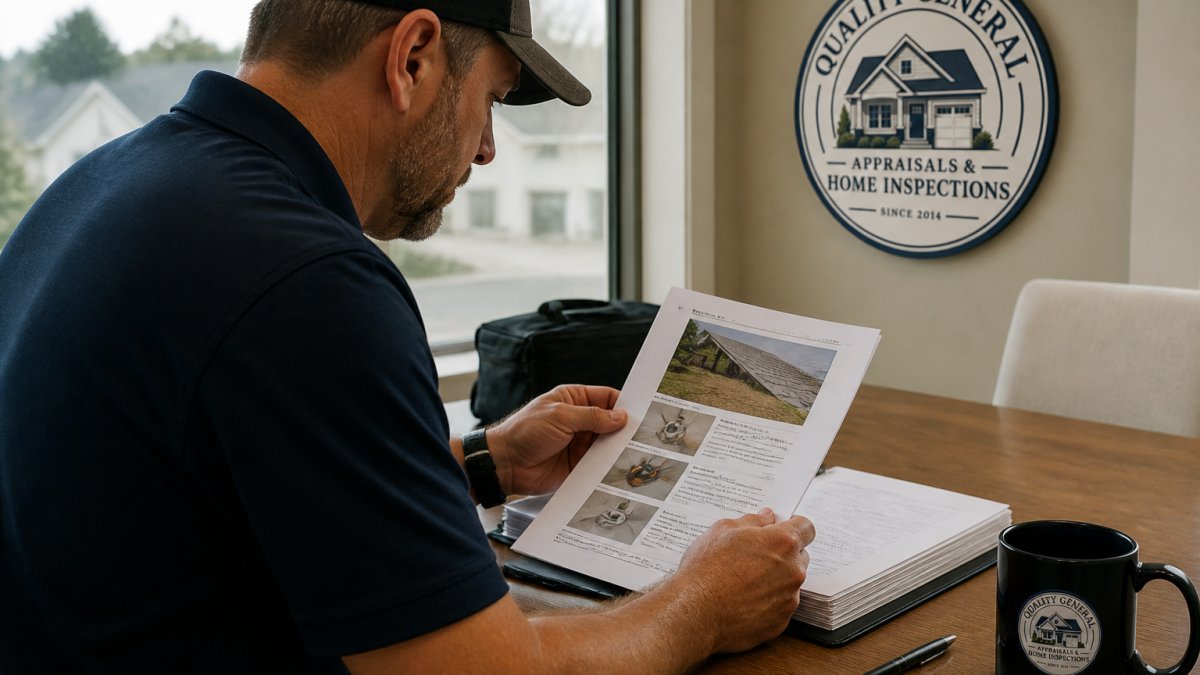
A detailed inspection report includes photographs of problem areas, measurements of cracks, and recommendations for repairs or monitoring. This documentation is valuable for homeowners, buyers, sellers, and lenders. It provides a clear baseline for the foundation's current condition and helps guide future maintenance decisions.
Schedule Your Foundation Assessment Today
Foundation problems in Missouri homes develop gradually, often unnoticed until they become expensive. The good news is that early detection and preventive maintenance can protect your investment and keep your home structurally sound.
Quality General Appraisals & Home Inspections provides comprehensive foundation evaluation using professional-grade equipment and detailed photo-based reporting. Our team identifies foundation issues early, explains what they mean for your home, and recommends appropriate next steps. Whether you're buying a home in Springfield, selling a property, or simply want to understand your foundation's condition, we deliver the thorough assessment and clear answers you need to make confident decisions.
Schedule your foundation assessment today and protect your home's structural integrity.
Frequently Asked Questions
What causes foundation issues in Missouri homes?
Missouri's expansive clay soil expands when wet and contracts when dry, putting pressure on foundations. Heavy spring rains and summer droughts intensify this cycle. Poor drainage around the house, improper grading, and settling soil also contribute. The combination of these factors makes foundation issues common in the region.
What are the early signs of foundation problems in a home?
Watch for horizontal or stair-step cracks in foundation walls, doors and windows that stick or won't close properly, gaps between walls and trim, uneven or sloping floors, and visible moisture or efflorescence (white powder) on the foundation. Interior cracks in drywall near corners of doorways are also warning signs. Early detection prevents costly repairs.
How does foundation drainage around a house prevent damage?
Proper drainage directs water away from the foundation, reducing soil saturation and pressure against foundation walls. Gutters, downspouts extending at least 4-6 feet from the house, and grading that slopes away from the foundation all work together to manage water flow. French drains and sump pumps provide additional protection in areas prone to water accumulation.
When should I have a foundation concern inspected?
Schedule an inspection as soon as you notice cracks, doors sticking, or uneven floors. Don't wait for problems to worsen. If you're buying a home in Missouri, a professional foundation inspection is essential before closing. Even minor-looking issues can indicate larger structural concerns that require expert evaluation.
Foundation problems don't resolve on their own. Water, soil movement, and time all work against concrete foundations in Missouri's climate. Professional inspection identifies issues while they're manageable, and preventive maintenance keeps your foundation stable for decades. Contact Quality General Appraisals & Home Inspections to schedule your foundation evaluation and get the detailed report and expert guidance your home deserves.