 ultimate-guide
How to Read Home Inspection Reports: A Guide
Table of Contents
- Why Understanding Your Home Inspection Report Matters
- Home Inspection Report Structure and Main Sections
- Home Inspection Report Terminology You Need to Know
- Using a Home Inspection Report Checklist to Stay Organized
- Reviewing Home Inspection Report Examples and Findings
- Key Questions to Ask a Home Inspector About the Report
- What to Do After You Receive Your Report
- Frequently Asked Questions
Last Updated: October 20, 2026
Why Understanding Your Home Inspection Report Matters
Learning to read home inspection reports is essential, as the inspection report is one of the most important documents you'll receive during a real estate transaction. It's not just a stack of pages with technical jargon, it's your roadmap to understanding the true condition of a property before you commit to one of the largest purchases of your life.
When you're buying a home in Springfield or anywhere in Southwest Missouri, the inspection report gives you concrete information about structural integrity, mechanical systems, safety hazards, and maintenance needs. Without knowing how to read it, you're essentially making decisions blind.
At Quality General Appraisals & Home Inspections, we've helped buyers and sellers read home inspection reports and understand their findings. The most common mistake we see? People skim the summary, panic at any mention of a problem, and either walk away from good deals or overpay for homes with manageable issues.
This guide walks you through the structure of a home inspection report, explains the terminology inspectors use, and shows you how to interpret findings in a way that informs your decisions rather than derails them.
Home Inspection Report Structure and Main Sections
A professional home inspection report follows a predictable format, though the exact layout varies by inspector and software. Understanding this structure helps you navigate the document efficiently and find the information you need.
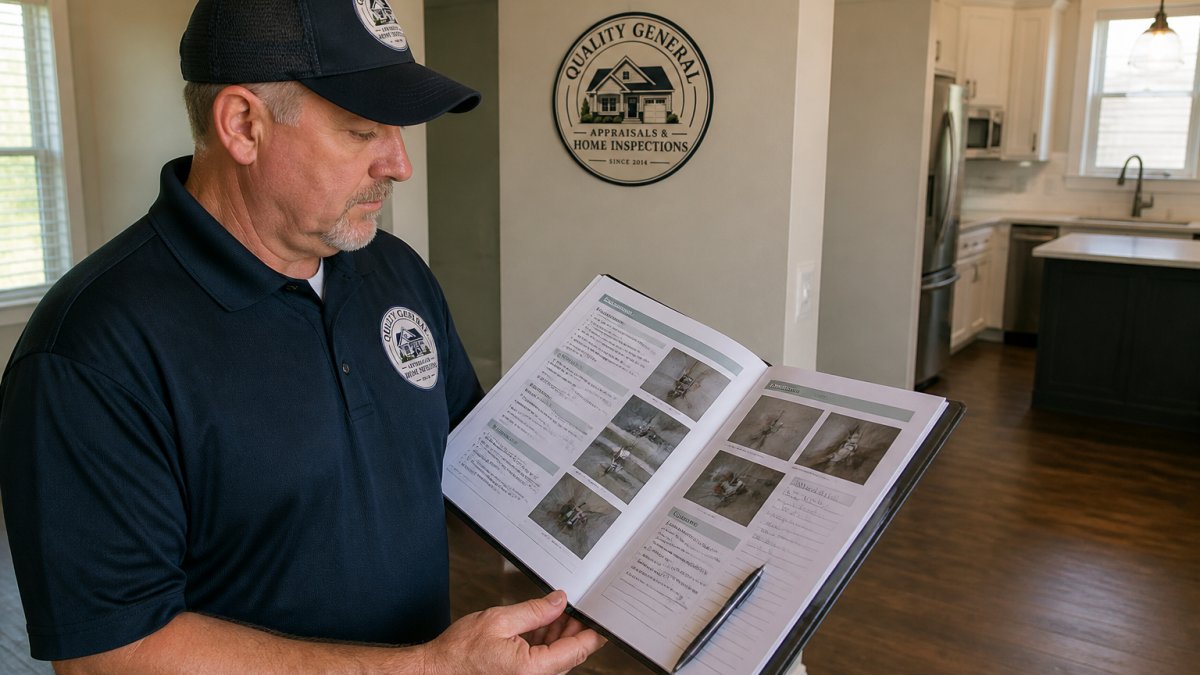
Most reports begin with an executive summary or overview page. This section distills the inspection into key findings, items that need immediate attention, safety concerns, or systems that are near the end of their useful life. Think of this as the headline: if something appears here, it's significant enough to warrant your attention.
Executive Summary
The executive summary is your entry point. It typically lists major systems and their condition in simple terms: "Good," "Fair," "Poor," or similar language. Some inspectors use color coding, green for acceptable, yellow for monitor, red for urgent repairs needed.
This section often includes a summary of any safety issues, code violations, or items requiring immediate professional evaluation. It's designed to give you the big picture before you dive into detailed room-by-room findings. Pay close attention to anything flagged as a safety concern or requiring further evaluation by a specialist.
Foundation and Structure
The foundation section covers the home's structural integrity, including the foundation itself, basement or crawlspace conditions, and visible structural elements. Inspectors look for cracks, water intrusion, settling, or signs of movement that could indicate serious problems.
Terminology here matters. A small hairline crack in concrete is often cosmetic and not concerning. A horizontal crack or multiple cracks, especially ones showing water staining, warrant closer attention. Efflorescence, that white powdery substance on basement walls, indicates water is moving through the concrete, which may or may not be a problem depending on severity and drainage.
Roof and Exterior
This section covers the roof, siding, windows, doors, and exterior drainage systems. Inspectors assess the remaining life of roofing materials, look for missing shingles or flashing issues, and evaluate the condition of gutters and downspouts.
You'll see descriptions like "asphalt shingles in fair condition with approximately 5-7 years of useful life remaining." That's actionable information: you're not facing an immediate replacement, but you should budget for it within the next several years. Roof condition directly affects your insurance rates and your ability to secure financing, so this section carries real weight.
Home Inspection Report Terminology You Need to Know
Home inspectors use specific language that can sound intimidating if you're unfamiliar with it. Learning these terms helps you understand findings without needing to call the inspector every five minutes.
Deferred Maintenance means something hasn't been kept up properly and now needs attention. A gutter full of debris or a furnace filter that hasn't been changed in years falls into this category.
Functional describes something that works as intended, even if it's not perfect. A 20-year-old HVAC system might be functional but near the end of its expected lifespan. Functional doesn't mean "great", it means it's operating.
Recommend Further Evaluation appears when an inspector spots something suspicious but can't fully assess it without specialized equipment or expertise. Water staining in an attic might warrant a roofer's inspection.
Settling refers to minor foundation movement that occurs naturally as a home ages. Small, stable cracks from settling are common and often not concerning.
Flashing is the metal or material used to seal joints and prevent water from entering where different roof planes meet or where the roof meets walls and chimneys.
Grading refers to how the ground slopes around the foundation. Proper grading directs water away from the house. Poor grading allows water to pool against the foundation, leading to moisture problems.
Using a Home Inspection Report Checklist to Stay Organized
A checklist keeps you focused when reviewing a detailed report. Rather than getting lost in 50 pages of findings, you can systematically work through key areas and note what matters most to your decision.
| Item to Review | What to Look For | Action if Found |
|---|---|---|
| Safety Issues | Electrical hazards, gas leaks, structural risks | Request specialist evaluation or negotiation credit |
| Roof Condition | Age, remaining life, active leaks | Budget for replacement or request repair before closing |
| Foundation/Structure | Cracks, settling, water intrusion | Determine if active or stable; get engineer opinion if needed |
| HVAC Systems | Age, functionality, maintenance history | Budget for replacement if nearing end of life |
| Plumbing | Water pressure, drainage, visible leaks | Identify if cosmetic or functional issue |
| Electrical | Panel condition, grounding, outlets | Flag any code violations for correction |
| Moisture/Water Damage | Staining, mold, wet spots | Determine source and extent of problem |
| Appliances | Age, functionality, included in sale | Note what's staying and what's leaving |
Start by reviewing the executive summary to identify priority items. Then dive into detailed sections for anything flagged as concerning. Make notes about which items are deal-breakers for you versus items you can negotiate or live with.
Reviewing Home Inspection Report Examples and Findings
Understanding how inspectors describe common issues helps you interpret your own report. Here's how typical findings appear and what they generally mean.
When an inspector writes "roof shingles showing signs of wear with approximately 3-5 years of useful life remaining," that's a yellow flag, not a red one. You're not facing an immediate replacement, but it's worth factoring into your offer or negotiation. If the report says "active roof leak observed in master bedroom ceiling with water staining," that's urgent and requires immediate repair or a significant negotiation credit.
For foundation issues, "hairline cracks in basement concrete walls, stable, no active water intrusion" is routine. "Horizontal crack with water staining and efflorescence present" suggests ongoing moisture movement and warrants a structural engineer's evaluation.
Plumbing findings often include observations about water pressure, drainage speed, or visible corrosion. "Galvanized supply lines showing signs of corrosion" is informational, galvanized pipes corrode over time and may eventually need replacement, but if water pressure is adequate, it's not an emergency.
The key is distinguishing between "this needs attention eventually" and "this needs attention now." Your inspector's language usually makes that clear, but if you're unsure, that's exactly when you should ask for clarification.
Key Questions to Ask a Home Inspector About the Report
Don't hesitate to contact your inspector after you receive the report. A good inspector expects follow-up questions and welcomes the chance to clarify findings.
Ask about priority. "Of the items listed, which ones actually need to be addressed before closing, and which ones can wait?" This helps you focus your negotiation efforts on what truly matters.
Ask for specifics on cost implications. "Based on what you observed, what's a realistic budget for addressing this issue?" Inspectors can often give you ballpark figures to inform your decisions.
If you see "recommend further evaluation," ask what specialist you should contact. An inspector can often recommend a qualified roofer, plumber, or structural engineer in the Springfield area who can provide a more detailed assessment.
Ask about maintenance going forward. "What should I do to prevent this from becoming a bigger problem?" Understanding preventive steps helps you protect your investment after closing.
What to Do After You Receive Your Report
Your inspection report is a tool for decision-making, not a source of panic. The moment you receive it, resist the urge to make snap judgments based on a quick skim.
Read the full report carefully, starting with the executive summary. Take notes on items that concern you or that you don't understand.
Use the report to inform your negotiation strategy. If the inspection reveals significant issues, you have use to request seller repairs, a price reduction, or a credit toward repairs you'll handle yourself.
If the report recommends further evaluation by a specialist, take that seriously.
For homes in Springfield and Southwest Missouri, consider whether the inspection findings align with the age and history of the property. Older homes naturally show more wear, and that's expected.
If you're working with a real estate agent, walk through the report together.
Understanding how to read a home inspection report transforms it from an intimidating document into a practical guide for your home purchase decision.
Quality General Appraisals & Home Inspections provides detailed, photo-based inspection reports designed to be clear and actionable. Our team of certified inspectors uses advanced technology to identify issues early and explain findings in language homeowners and buyers can actually understand.
Frequently Asked Questions
What should I look for first in a home inspection report?
Start with the executive summary, which highlights significant issues and defects. This section tells you the most critical findings at a glance. Then review the ratings or condition codes assigned to major systems like the roof, foundation, HVAC, and plumbing. Pay special attention to any items marked as 'safety concerns' or requiring immediate repair, as these affect your decision-making and negotiating power.
What do the terms in a home inspection report mean?
Home inspection reports use standardized terminology to describe condition levels. Common terms include 'functional' (working as intended), 'deficient' (not working properly or needs repair), 'safety concern' (poses a hazard), and 'not inspected' (inspector couldn't access that area). Understanding these classifications helps you prioritize repairs and estimate costs. Your inspector should define all terminology used in their specific report.
How do I know which home inspection findings are most important?
Prioritize findings marked as safety concerns or deficiencies in critical systems: foundation, electrical, plumbing, HVAC, and roof. Structural issues, water intrusion, mold, and pest damage rank high. Minor cosmetic issues or maintenance items are lower priority. Use the report's rating system or priority levels to guide you. When in doubt, ask your real estate agent or inspector which findings could affect your financing or require immediate attention.
Can I ask the home inspector to explain the report after it's completed?
Yes, absolutely. Most professional inspectors, including Quality General Appraisals & Home Inspections, welcome follow-up questions about their findings. You can request a walkthrough to see specific issues firsthand, ask about recommended repairs, or discuss what findings mean for the home's long-term condition. Clear communication helps you understand the report and make informed decisions about your purchase.
What should I do after receiving a home inspection report?
Review the report thoroughly and create a list of deficiencies and repairs needed. Share findings with your real estate agent and lender, as some issues may affect financing approval. Decide which repairs are deal-breakers versus negotiable items. Request repair estimates from qualified contractors for significant findings. If you have concerns about specific systems or potential hidden issues, consider specialized testing like radon or mold inspection to get a complete picture before closing.
How long does it typically take to review a home inspection report?
Initial review usually takes 30 minutes to an hour, depending on the report's length and complexity. However, thorough evaluation, including research on recommended repairs, getting contractor estimates, and consulting with your agent, may take several hours or spread across a few days. Don't rush this process; you're making one of the largest financial decisions of your life, and understanding the report fully is critical.
Does a home inspection report tell me whether to buy a house?
A home inspection report provides critical information to inform your decision, but it doesn't make the choice for you. The report shows the property's condition and identifies issues; you decide whether those issues are acceptable, negotiable, or deal-breakers based on your budget, timeline, and priorities. Some buyers accept homes with deficiencies and plan repairs; others walk away. Your inspector provides facts; your agent, lender, and personal circumstances guide your final decision.