 ultimate-guide
Professional Home Inspection Services 2026: A Complete Guide
Table of Contents
- What Professional Home Inspection Services Include
- What to Expect During a Home Inspection in 2026
- Understanding Your Home Inspection Report Interpretation
- Thermal Imaging and Advanced Technology Benefits
- HUD Foundation Certification and Specialized Inspections
- Choosing the Right Professional Home Inspection Service
- Why Professional Home Inspections Matter in 2026
- Frequently Asked Questions
Last Updated: September 25, 2026
What Professional Home Inspection Services Include
A professional home inspection service is a comprehensive evaluation of a residential property's condition, performed by a certified inspector who examines structural components, mechanical systems, and safety features to identify any issues before purchase or sale. When you're considering a home in Springfield or the surrounding Southwest Missouri area, understanding what's included in professional home inspection services helps you make an informed decision about one of your largest investments.
Professional home inspections typically cover the foundation, roof, exterior walls, windows, doors, interior walls, ceilings, floors, plumbing systems, electrical systems, heating and cooling equipment, and appliances. According to AmeriSave's 2026 guide to home inspections, professional home inspectors identify at least one problem in approximately 86% of homes they evaluate. This statistic underscores why a thorough inspection matters.
At Quality General Appraisals & Home Inspections, we go beyond the basics. Our team uses advanced technology including thermal imaging, crawlspace robots, and sewer cameras to detect issues that standard visual inspections might miss. We provide same-day reporting with detailed photographs so you can understand exactly what we found and what it means for your property.
Many homebuyers ask whether specialized testing, like radon, mold, or termite inspections, should be included. The answer depends on your property's age, location, and local conditions. Newer homes may need different testing than older ones. Our inspectors can recommend which specialized services make sense for your specific situation.
What to Expect During a Home Inspection in 2026
The inspection process typically takes two to three hours, though larger properties may require more time. You're welcome to be present during the inspection, in fact, many buyers find it valuable to walk through with the inspector and ask questions in real time.
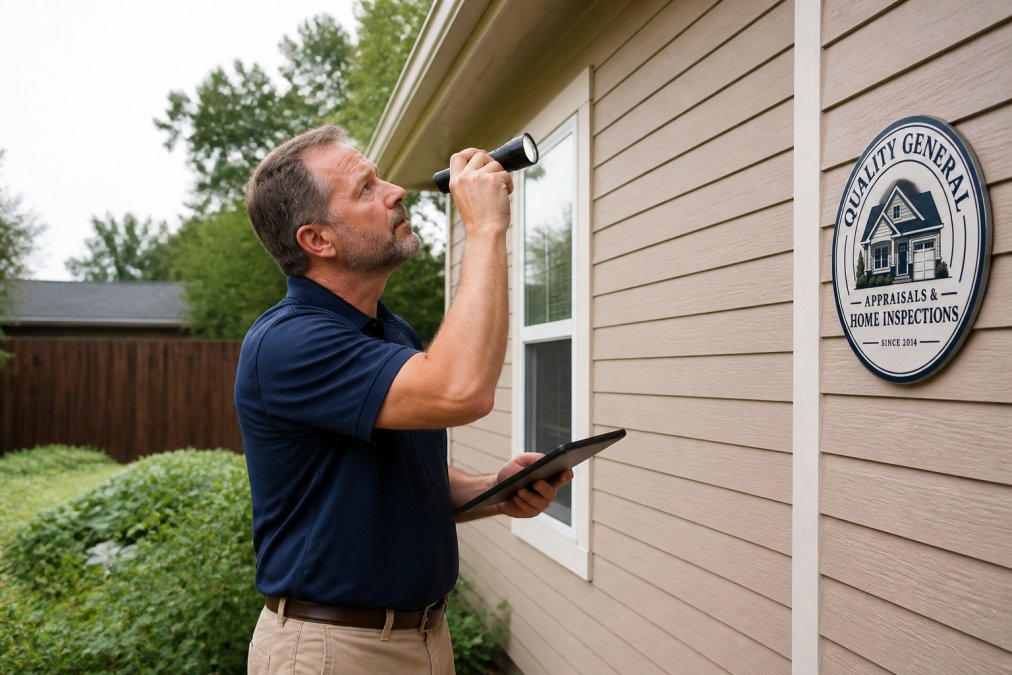
Your inspector will start with the exterior, checking the roof condition, gutters, siding, foundation, and grading around the home. They'll examine windows, doors, and any visible damage or signs of water intrusion. Next comes the interior: they'll inspect every room, checking walls, ceilings, flooring, and visible structural elements. They'll test electrical outlets, examine plumbing fixtures, and evaluate heating and cooling systems. While these professional evaluations provide a comprehensive overview, homeowners can also learn to assess home plumbing to identify minor maintenance needs before they escalate into costly repairs.
According to RapidEye Inspections' 2026 industry data, contingency waiver rates dropped to 16% in July 2026 from 23% the previous year, suggesting more buyers are protecting themselves with inspections rather than waiving this critical step. This trend reflects growing awareness that inspections provide essential protection.
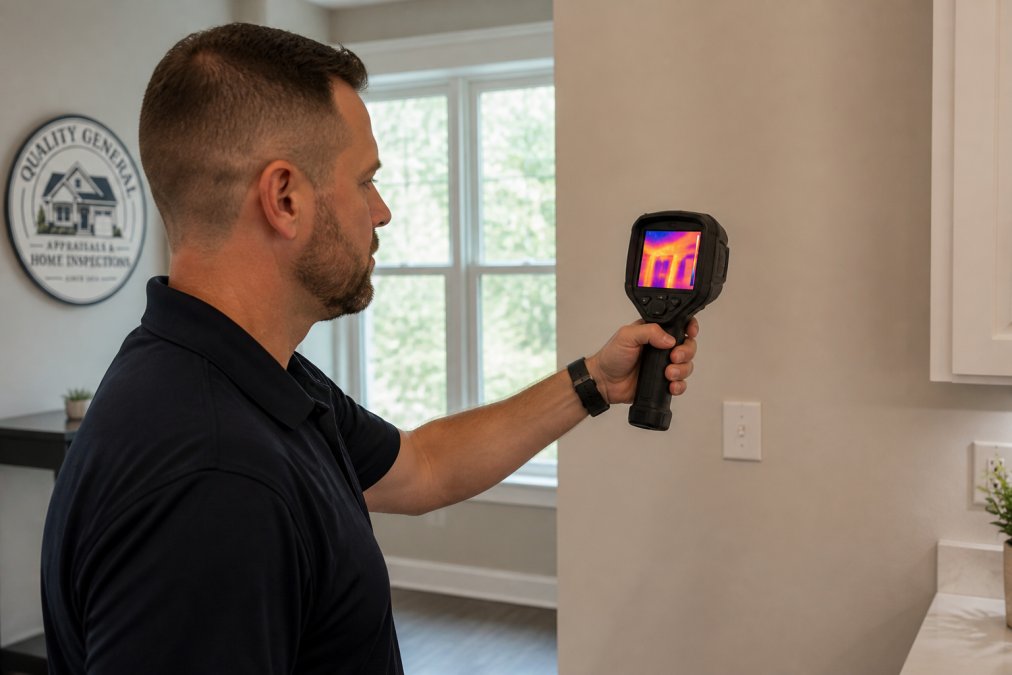
Modern inspections in 2026 often include thermal imaging, which detects temperature differences that reveal insulation gaps, moisture problems, or electrical issues invisible to the naked eye. Quality General uses this technology to give you a complete picture of your property's condition. We also perform sewer line scopes when requested, using cameras to inspect underground plumbing for cracks, blockages, or root intrusion.
The inspector will document findings with photographs and notes, which become the foundation of your inspection report. Don't expect perfection, older homes especially will have minor wear and tear. The goal is identifying significant issues that affect safety, function, or value.
Understanding Your Home Inspection Report Interpretation
Your inspection report is your roadmap for understanding your property's condition. A well-written report organizes findings by system (roof, plumbing, electrical, etc.) and clearly explains what was found, where, and what it means.
Reports typically categorize issues by severity. Critical items, like unsafe electrical systems or structural problems, need immediate attention. Major items might include a roof nearing the end of its lifespan or a failing HVAC system. Minor issues are cosmetic or low-priority concerns that don't affect safety or function.
Here's what matters when reading your report: focus on safety first, then on systems that are expensive to replace. A water stain in a basement is worth investigating, but it's not the same urgency as a cracked foundation. A missing shingle is maintenance; a sagging roof is structural.
Many homebuyers feel overwhelmed by technical language in inspection reports. Quality General Appraisals & Home Inspections prioritizes clarity in our reports, explaining findings in straightforward terms with supporting photographs.
Thermal Imaging and Advanced Technology Benefits
Thermal imaging has transformed home inspections by revealing problems that traditional visual inspection cannot detect. This technology uses infrared cameras to display temperature variations on walls, ceilings, and mechanical systems, variations that often indicate moisture, insulation gaps, electrical issues, or air leaks.
HUD Foundation Certification and Specialized Inspections
HUD foundation certifications are required for properties financed through FHA loans. These certifications verify that a home's foundation meets HUD standards and is safe for occupancy. If you're buying with an FHA loan in Springfield or Southwest Missouri, your lender will require this certification before closing.
Beyond HUD certification, specialized inspections address specific concerns:
- Radon testing measures radon gas levels in your home. Radon is a naturally occurring radioactive gas that can accumulate in basements and crawlspaces. Testing takes 48 hours and provides data to help you decide if mitigation is needed.
- Mold testing identifies mold growth and moisture issues. If you notice musty odors or visible mold, professional testing quantifies the problem and guides remediation.
- Termite and WDI inspections check for wood-destroying insects and damage. These inspections are often required by lenders and reveal damage that compromises structural integrity.
- Water testing analyzes well water or other water sources for contaminants.
Choosing the Right Professional Home Inspection Service
Not all inspectors are equally qualified. When selecting an inspection service in Springfield or Southwest Missouri, look for specific credentials and experience.
| Selection Criterion | What to Look For | Why It Matters |
|---|---|---|
| Certification | Certified Master Inspector or equivalent | Ensures training and ongoing education |
| Experience (Quality General Appraisals & Home Inspections has more than 10 years of home inspection experience) | 5+ years in the industry | Demonstrates expertise and problem recognition |
| Technology | Thermal imaging, sewer cameras, moisture meters | Detects hidden issues early |
| Reporting | Same-day reports with photos | Faster decision-making and clear documentation |
| Availability | Flexible scheduling, quick turnaround | Accommodates your timeline and market pressure |
| Local Knowledge | Familiar with regional building codes and conditions | Understands Southwest Missouri-specific issues |
Why Professional Home Inspections Matter in 2026
The real estate market continues to move quickly, and buyer protections matter more than ever. According to WIN Home Inspection's 2026 construction forecast, 1.32 million new home construction projects are projected for 2026, increasing demand for inspections on newly built properties. Even new construction benefits from thorough inspection, builders sometimes miss issues, and inspections ensure your new home meets promised standards.
Frequently Asked Questions
What is included in a standard professional home inspection?
A standard professional home inspection evaluates the home's major systems and structural components, including the roof, foundation, electrical system, plumbing, HVAC, and interior elements. Inspectors examine visible and accessible areas, document findings with photographs, and provide a detailed report. Many inspectors also offer optional specialized testing such as radon, mold, or termite inspections depending on your needs and local conditions.
How do I interpret a home inspection report?
A professional home inspection report typically categorizes findings into safety concerns, repair recommendations, and maintenance items. Safety issues require immediate attention; repairs address functional problems; maintenance items are preventive. Look for clear descriptions, photographs, and severity levels. A quality report explains findings in understandable language rather than technical jargon. If anything is unclear, ask your inspector to clarify, they should be able to explain each finding and what it means for your home.
Do I need HUD foundation certification for my home purchase?
HUD (Department of Housing and Urban Development) foundation certifications are required for homes financed with FHA, VA, or USDA loans. These certifications verify that the foundation meets federal lending standards and is safe for occupancy. If you're using conventional financing, a standard foundation inspection may suffice, but your lender can advise on specific requirements. In Springfield and Southwest Missouri, many home sales involve federally-backed loans, making HUD certification common.
What does thermal imaging reveal during a home inspection?
Thermal imaging uses infrared technology to detect temperature differences in walls, ceilings, and foundations that are invisible to the naked eye. It reveals hidden moisture, insulation gaps, electrical hotspots, and air leaks that could lead to energy loss or structural damage. This technology is especially valuable for identifying problems early, before they become costly repairs. It's a non-invasive way to assess areas that would otherwise require destructive testing.
Should I get radon and mold testing if I'm buying a newer home?
Radon and mold testing are recommended regardless of home age. Radon is a naturally occurring radioactive gas that accumulates in basements and crawlspaces; it has no age correlation. Mold can develop in newer homes due to moisture issues, poor ventilation, or water intrusion during construction. Both pose health risks. Testing is relatively affordable and provides peace of mind. Your inspector can recommend testing based on local conditions and your home's specific characteristics.
How quickly can I get my home inspection report?
Many professional inspectors now offer same-day or next-day reporting. Same-day reports are typically delivered digitally with photographs and detailed findings, allowing you to make decisions quickly during a competitive offer period. The timeline depends on report complexity and the inspector's workload. When scheduling, confirm the reporting timeline with your inspector so you know when to expect your results and can plan your next steps accordingly.
When you're ready to schedule a professional home inspection in Springfield or surrounding Southwest Missouri, Quality General Appraisals & Home Inspections delivers thorough, technology-enabled evaluations with same-day reporting and detailed photographs. Our certified inspectors identify issues early, answer your questions clearly, and give you the information you need to make confident decisions. Contact us today to schedule your inspection and protect your investment.