 Ultimate guide
FHA Appraisal Requirements in 2026: What Buyers Must Know
Last Updated: November 19, 2026
Quick Summary
An FHA appraisal is a valuation and property-eligibility review required for an FHA-insured mortgage, not a full home inspection. Per HUD's 2026 Handbook 4000.1 Update 18, the appraiser documents both the estimated market value and whether the property meets FHA property requirements.
- HUD now requires appraisal field reviews on at least 10% of origination and underwriting quality-control reviews.
- FHA minimum property requirements focus on safety, soundness, and sanitation, not cosmetic condition.
- The lender's underwriting department, not the appraiser, makes the final call on which repairs must be cleared.
- Build a seven- to ten-day buffer between repair completion and reinspection scheduling into your closing date.
- Confirm project FHA approval before ordering the appraisal on a condominium unit.
Table of Contents
- What the 2026 FHA Appraisal Actually Covers
- FHA Appraisal Checklist 2026: What Appraisers Look For
- FHA Appraisal Repair Requirements and the Decision Tree
- FHA Appraisal Process and Timeline From Order to Closing
- FHA Appraisal vs. Home Inspection: Why You Need Both
- When the Appraised Value Comes in Low in Springfield
- Schedule Your Springfield FHA Appraisal and Inspection
- Frequently Asked Questions
What the 2026 FHA Appraisal Actually Covers
An FHA appraisal is a valuation and property-eligibility review required for an FHA-insured mortgage, not a full home inspection. According to HUD's 2026 Handbook 4000.1 Update 18, the appraiser documents both the estimated market value and whether the property meets FHA property requirements.
That dual purpose is where most buyers get confused. The appraiser protects the lender's interest in the collateral. You get a number and a condition snapshot, nothing more.
The 2026 appraisal requirements for FHA loans still hinge on the same core elements: a HUD-approved appraiser, a sales comparison approach using recent comparable sales, and a report that flags repair conditions affecting safety or structural integrity.
The 2026 changes are mostly behind the scenes. HUD now requires mortgagees to obtain appraisal field reviews on at least 10% of origination and underwriting quality-control reviews, per Mortgagee Letter 2026-10.
FHA Appraisal Checklist 2026: What Appraisers Look For

FHA minimum property requirements focus on safety, soundness, and sanitation. The appraiser is not grading cosmetics. They are asking whether the property is safe to occupy, structurally sound, and free of health hazards.
Here is what the review covers:
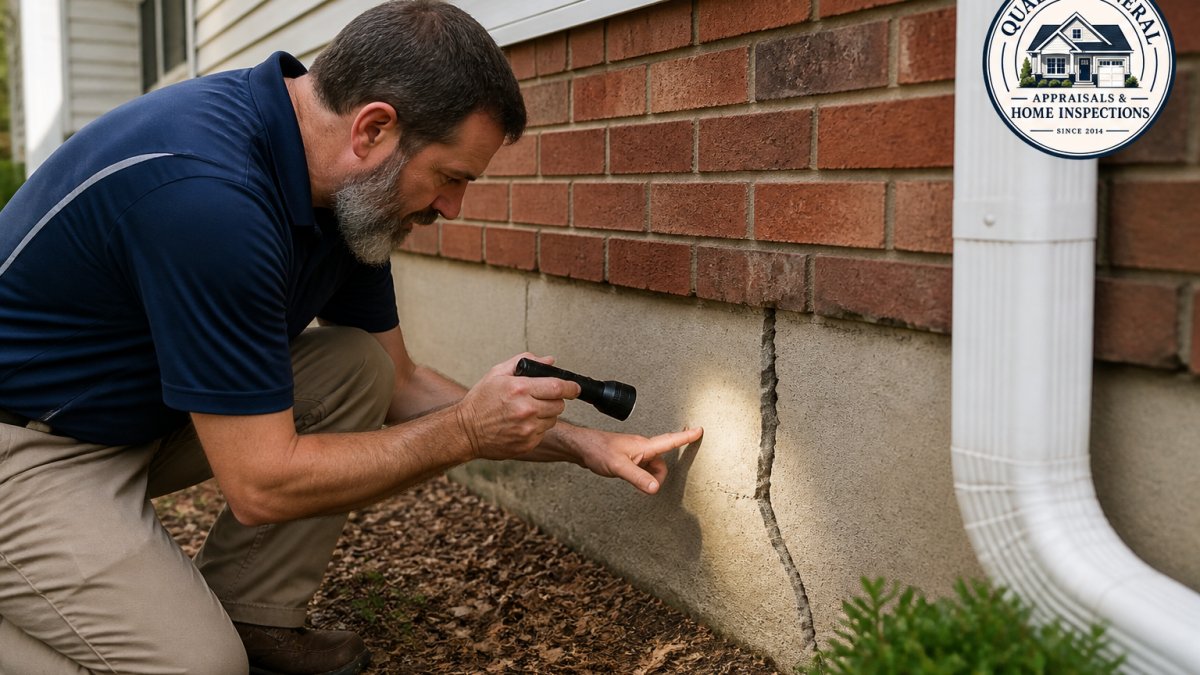
- Structural integrity - foundation cracks, settling, wall and floor movement
- Roof condition - active leaks, missing shingles, remaining useful life
- Utilities - working plumbing, heating system, and electrical system
- Electrical hazards - loose wiring, exposed junctions, missing cover plates
- Health and safety - lead-based paint on pre-1978 homes, mold, pest activity
- Water and drainage - moisture intrusion, poor grading, standing water
- Safe access - sound steps, railings, and walkways to the property
- Attic and crawl space - insulation, ventilation, and visible defects
Minimum property standards apply to the property condition as observed on the effective date of the appraisal. If you want to see what the appraiser flags before they arrive, our guide on how to prepare a home for an appraisal walks through the practical steps.
FHA Appraisal Repair Requirements and the Decision Tree
Repairs identified during the appraisal often must be completed before an FHA loan can close.
Use this decision tree when the report comes back with conditions:
| Finding | Typical Path | Who Coordinates | Who Clears It |
|---|---|---|---|
| Safety hazard (loose wiring, missing railing, exposed junction) | Repair before closing, then reinspection | Buyer or seller per contract | Lender underwriting after reinspection |
| Structural or foundation concern | Engineer evaluation, then scoped repair | Seller typically, with buyer's contractor | Lender plus appraiser review of engineer report |
| Roof at end of remaining useful life | Repair or replace before closing | Seller per contract | Lender underwriting after reinspection |
| Cosmetic wear (worn carpet, peeling trim) | Usually no action required | None | Appraiser judgment, lender confirms |
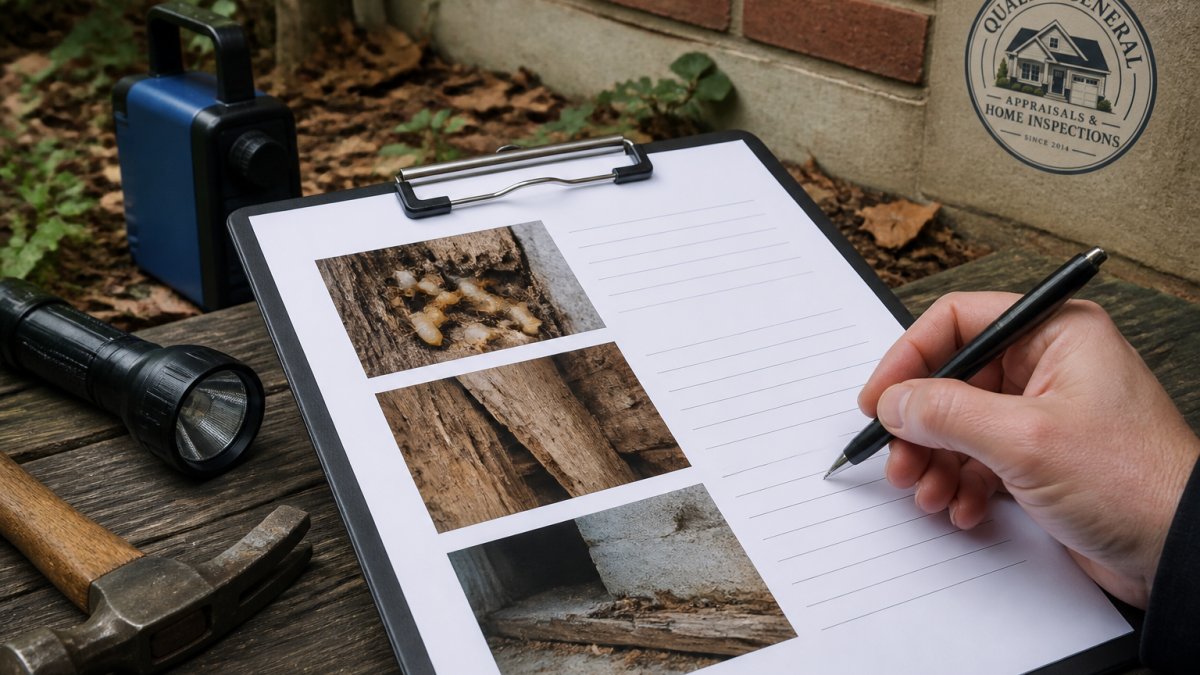
| Termite or WDI activity | Treatment and clearance documentation | Seller or buyer per contract | Lender plus pest inspector clearance |
| Well or septic deficiency | Test, repair, or certify | Seller typically | Lender plus local health authority documentation |
Who pays and who coordinates. In most Southwest Missouri purchase contracts, the seller agrees to complete lender-required repairs, but the buyer's agent usually tracks the paperwork.
Termite and WDI findings. Termite activity is common in parts of the Midwest, and lenders typically want a clear WDI report from a licensed inspector after treatment, not just a receipt. Our termite inspections can help you prepare that documentation.
Watch out: a repair that is finished but not confirmed by reinspection can delay closing, because the lender needs documentation that the condition was corrected.
Confirm current guidance with your lender as your file moves. The decision tree above reflects how lenders commonly handle conditions, not a guarantee of how any single underwriter will treat your property.
FHA Appraisal Process and Timeline From Order to Closing
The FHA appraisal process generally runs through a few key steps from order to closing, and the timeline can shift depending on property type and on which 2026 guidance applies to your file. Because appraisal timing can affect whether a sale stays on track, Brooke Newport, Realtor, connects the process to the practical steps sellers can take when a valuation comes in low.
- Order placed, your lender orders the appraisal after your application is complete. The appraiser must be qualified under HUD guidance, and the lender typically orders the appraisal.
- Appraiser assigned, scheduling depends on appraiser availability in the Springfield area and on whether the property is occupied, vacant, or tenant-occupied.
- Property visit, the appraiser measures, photographs, and documents condition on site. The effective date of the appraisal is the date of the site visit, not the date the report lands, which matters if the market moves during underwriting.
- Report delivered, the report goes to the lender, not directly to you. Your loan officer can share a copy once it is received.
- Underwriting review, the lender reviews the report and issues conditions or a clear to close. Repair conditions, if any, feed back into the decision tree above.
Property-type edge cases that change the process.
- Condominiums. The appraiser reviews the unit plus the project's FHA approval status. A project that is not on HUD's approved list can stop the loan regardless of the unit's condition, so confirm project approval before the appraisal is ordered.
- Manufactured homes. FHA requires the home to be permanently affixed to a foundation, titled as real property, and meet HUD construction and safety standards. The appraiser documents the foundation and the data plate, and missing documentation is a common delay.
- Multi-unit properties (two to four units). The appraiser reviews all units and the shared systems, and rental income from the other units can factor into the valuation. Self-sufficiency rules apply to three- and four-unit properties.
- Vacant homes. Safe access, winterization status, and utility activation can affect what the appraiser can observe. A vacant home with utilities off may require a return visit.
- Wells and septic systems. FHA requires the water supply to be potable and the septic system to be functional. Water testing and a septic inspection are commonly required, and the lender may ask for documentation from a local health authority.
2026 rule status: what is actually in effect. Some 2026 commentary mixes proposed changes with effective requirements. Before you rely on any specific rule, ask your lender to confirm the status and effective date of the guidance in your file. HUD's Handbook 4000.1 is the controlling document for appraisal and property requirements, and Mortgagee Letters update it.
Timing and fees. Timing depends on lender volume, property access, and whether the property type requires additional documentation. Ask your loan officer for the current appraisal fee and how it is collected on your file.
If you are preparing a property for the visit, our guide on how to prepare a home for an appraisal walks through the practical steps, and our team can answer property-type questions.
FHA Appraisal vs. Home Inspection: Why You Need Both
An FHA appraisal and a home inspection answer different questions. The appraisal establishes appraised value and FHA property eligibility. A home inspection documents the property's actual condition for you, the buyer, in detail the appraisal was never designed to provide.
A separate home inspection is worth considering alongside the appraisal, because the appraisal serves a valuation purpose and is not a substitute for a buyer's inspection.
For Springfield buyers, that means considering a home inspection in Springfield alongside the appraisal. Our reports are delivered same-day with photographs.
When the Appraised Value Comes in Low in Springfield
A low appraised value is not the end of the deal. It means the appraiser's sales comparison approach landed below your contract price, and you have options: renegotiate, bring more cash to closing, or request a reconsideration of value through your lender.
Reconsideration works best when you supply comparable sales the appraiser did not consider, with closed dates and adjustments that support your position. Our guide on how to dispute an appraisal report and win a higher value covers the documentation lenders accept.
Local context matters here, since neighborhood values can vary block to block. If you are searching for a reliable appraiser near me in the Springfield area, ask whether the provider also inspects, because the condition findings and the value opinion should agree.
Schedule Your Springfield FHA Appraisal and Inspection
FHA appraisal requirements for FHA loans in 2026 reward preparation. Know what the appraiser checks, fix safety items early, and pair the appraisal with a full inspection so no defect surprises you after closing.
Quality General Appraisals & Home Inspections is veteran-owned and family-operated, with a Certified Master Inspector on staff, a Certified Residential Appraiser, and a State Certified General Appraiser. We provide same-day reporting with quality photographs, infrared imaging, sewer cameras, and a 6-month home warranty with full inspections. You can schedule an appraisal with our team.
Your closing date depends on a report you have not seen yet. Get ahead of it with a provider that handles appraisal and inspection together, so the value opinion and the condition findings line up before underwriting asks.
Frequently Asked Questions
What are the FHA appraisal guidelines for 2026?
FHA appraisal guidelines in 2026 follow HUD Handbook 4000.1 Update 18 and Mortgagee Letter 2026-10. The appraisal must establish both an estimated market value and confirm the property meets FHA minimum property requirements, including structural soundness, roof condition, utilities, and health and safety hazards. Some 2026 changes affect lender oversight rather than each individual appraisal, so ask your lender which guidance applies to your file.
Do all FHA loans require an appraisal?
Yes. An FHA-insured mortgage requires an appraisal by a HUD-approved appraiser to confirm the property's market value and its eligibility under FHA minimum property standards. The appraisal protects the lender and the FHA insurance fund. It is separate from the home inspection, which the buyer orders independently. Buyers should not skip the inspection just because an FHA appraisal is scheduled, since the appraisal is a baseline review and not a full property inspection.
What will not pass an FHA appraisal?
Conditions that typically fail an FHA appraisal include structural defects, a roof near the end of its useful life, exposed or loose wiring, plumbing leaks, an inoperable heating system, unsafe access to the property, and health or safety hazards such as peeling paint in homes built before 1978. Water damage, poor drainage, and sanitation problems also raise flags. The appraiser notes these as required repairs, and the lender usually requires them to be completed before closing.
How long is an FHA appraisal valid?
An FHA appraisal is generally valid for a set window tied to the loan process, and the effective date on the appraisal report matters. If the closing is delayed past that window, the lender may require an update or a new appraisal. Ask your loan officer how the effective date applies to your file and confirm the timing early, especially if repairs or a reinspection are needed before closing.
Can a buyer use an FHA appraisal to negotiate repairs?
Yes, but only for items the appraiser flags. The appraisal report lists required repairs, and the buyer can use that list to negotiate with the seller. Items the appraiser did not note cannot be forced into the FHA process, though a separate home inspection report can support a broader repair request. In practice, buyers combine both reports: the appraisal sets the FHA-required fixes, and the inspection gives the full picture for negotiation.
What happens if a home does not meet FHA minimum property requirements?
The appraiser marks the deficient items as required repairs. The seller typically completes them, the appraiser reinspects, and the loan can then close. If the repairs are extensive or the seller refuses, the buyer can renegotiate, request a price reduction, or walk away under the contract's appraisal or inspection contingency. Confirm current guidance with your lender before assuming a repair will or will not be required.