 how-to
How to Prepare Home for Appraisal: 7 Steps
Table of Contents
- Why Preparing Your Home for Appraisal Matters
- What Appraisers Look for in a Home
- Create a Home Appraisal Checklist Before the Day Arrives
- Gather Documents for a Home Appraisal
- How Long Does a Home Appraisal Take
- Repairs and Improvements Worth Making Before Appraisal
- Common Mistakes to Avoid During Appraisal Preparation
- Frequently Asked Questions
Last Updated: October 17, 2026
Why Preparing Your Home for Appraisal Matters
To prepare home for appraisal, you first need to understand that an appraisal determines what your home is actually worth. This number affects loan amounts, purchase negotiations, and refinancing decisions. Getting it right matters.
At Quality General Appraisals & Home Inspections, we've seen how preparation influences outcomes. A home that's clean, organized, and well-maintained presents better to the appraiser. It doesn't change the structure, but it removes distractions and shows the property in its best light.
The appraiser will look beyond surface appearance. They assess foundation condition, roof integrity, electrical systems, and plumbing. But how you present the home affects their first impression and thoroughness. A cluttered space makes it harder to inspect. A maintained space invites confidence.
What Appraisers Look for in a Home
Appraisers evaluate homes using a systematic approach. They compare your property to similar homes recently sold in your area. They assess condition, size, location, and upgrades.
The core areas appraisers examine include:
- Foundation and structural integrity, cracks, settling, water damage, or foundation issues significantly impact value
- Roof condition, age, missing shingles, leaks, or needed repairs reduce appraisal value
- HVAC systems, heating and cooling systems must function properly and be appropriately sized
- Plumbing and electrical, outdated systems, code violations, or non-functioning fixtures lower value
- Interior condition, walls, flooring, ceilings, and overall maintenance affect the appraisal
- Bathrooms and kitchens, these rooms carry substantial weight in home valuation
- Upgrades and improvements, recent updates, quality finishes, and modern amenities add value
- Lot size and landscaping, curb appeal and outdoor space matter to the final number
According to the Appraisal Institute's property valuation standards, appraisers must document all observable conditions that affect value. They photograph problem areas and note repairs needed.
Create a Home Appraisal Checklist Before the Day Arrives
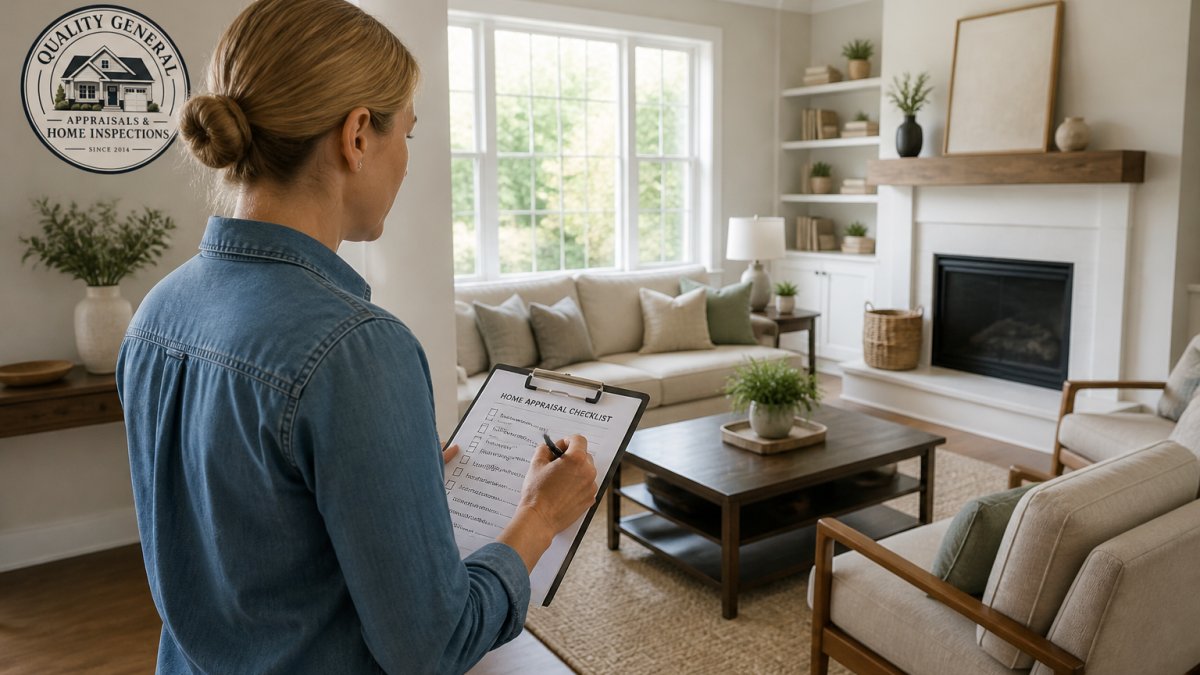
Use this checklist to prepare home for appraisal and focus on the areas that matter most to the appraiser's assessment. Focus on the areas that matter most to the appraiser's assessment.
Exterior and Curb Appeal
First impressions shape how appraisers view your property. The exterior is what they see first.
Start with landscaping. Trim overgrown bushes and trees. Mow the lawn. Remove dead plants and weeds. A neat yard signals that the home is maintained.
Check the front entrance. Clean the door and hardware. Touch up paint if it's chipped or faded. Ensure the porch or stoop is clean and safe. Replace any missing or damaged exterior trim.
Inspect the roof from the ground. Look for missing shingles, visible damage, or sagging. If repairs are needed, note them. Appraisers assess roof condition from the ground and may climb if needed.
Check gutters and downspouts. Clean out debris. Ensure they're attached securely and direct water away from the foundation.
Walk the perimeter. Look for foundation cracks, water stains, or settling. Appraisers examine the foundation carefully. Visible issues reduce value significantly.
Clean windows and glass doors. Dirty windows diminish curb appeal. Clear windows let light in and make the home feel brighter.
Interior Condition and Systems
Inside, focus on cleanliness and functionality. Appraisers need to see and test major systems.
Deep clean before the appraisal. Vacuum carpets. Dust surfaces. Clean bathrooms thoroughly. Wipe down kitchen appliances. A clean home feels well-maintained.
Test all light switches and fixtures. Replace burned-out bulbs. Appraisers note non-functioning lights.
Check plumbing. Run water in sinks, showers, and toilets. Ensure everything drains properly. Fix leaky faucets. Appraisers test plumbing during the inspection.
Verify HVAC operation. Turn on heat and air conditioning. Make sure both systems work. Appraisers may test these during the inspection.
Open and close all doors and windows. They should operate smoothly. Stuck or broken doors and windows lower value.
Clear closets and storage areas. Appraisers need to see inside cabinets, under sinks, and in closets. Remove clutter so they can access these spaces.
Roof, Foundation, and Major Components
These systems carry the most weight in appraisals.
Document roof age and condition. If you know when the roof was installed, have that information ready.
Note any major repairs or replacements. If you've replaced the HVAC, water heater, or electrical panel, document it. Appraisers value newer systems.
Address visible foundation issues if possible. Hairline cracks are normal. Wider cracks, bowing walls, or water damage need attention. If major repairs are needed, get estimates. The appraiser will factor these into their assessment.
Check the water heater. Ensure it's functional and appropriately sized. A failing water heater reduces value.
Verify electrical service. The panel should be accessible and properly labeled. Outdated or unsafe electrical systems concern appraisers.
Gather Documents for a Home Appraisal
Appraisers appreciate documentation. Have these items ready:
- Proof of recent repairs or upgrades, receipts, invoices, or contractor information
- Warranty information, for roof, HVAC, appliances, or structural work
- Utility bills, showing property usage and system efficiency
- Home improvement permits, if you've done major work
- Maintenance records, showing the home is well-cared-for
- Disclosure documents, required by your state or local jurisdiction
- Property survey, if available, helps appraisers confirm lot size
- List of recent comparable sales, optional, but helpful context
According to the National Association of Appraisers guidelines, providing documentation helps appraisers make informed assessments and supports their final valuation.
How Long Does a Home Appraisal Take
Most home appraisals take 2-4 hours to complete. The time varies based on home size, condition, and complexity.
A smaller home in good condition might take 2 hours. A larger home or one needing detailed inspection of multiple systems might take 3-4 hours. Appraisers spend time photographing, measuring, and documenting conditions.
After the inspection, appraisers spend additional time in the office. They research comparable properties, analyze the market, and prepare their report. The full appraisal process typically takes 5-10 business days from start to finish.
For homes in Springfield and Southwest Missouri, appraisers are familiar with local market conditions. This knowledge helps them assess value accurately and complete inspections efficiently.
Repairs and Improvements Worth Making Before Appraisal
Not every repair increases appraisal value. Focus on items that matter most.
Worth addressing:
- Broken windows or doors that don't function
- Leaky roofs or visible water damage
- Non-functioning plumbing or electrical
- Missing exterior trim or damaged siding
- Broken HVAC systems
- Visible foundation damage
Less critical:
- Minor cosmetic updates
- Paint touch-ups in secondary areas
- Landscaping improvements alone
- Appliance replacements in non-kitchen areas
The goal is to remove barriers to the appraisal, not to renovate. Major repairs are expensive and may not return full value. Focus on functionality and safety.
Common Mistakes to Avoid During Appraisal Preparation
Many homeowners make preparation errors that undermine their appraisal.
Mistake 1: Over-personalizing the home. Remove personal photos, religious items, and highly distinctive décor. Appraisers need to see the home objectively, not through your personal lens.
Mistake 2: Hiding problems. Don't cover up foundation cracks with landscaping or ignore roof damage. Appraisers will find these issues. Transparency is better than surprises.
Mistake 3: Making major repairs right before appraisal. New renovations don't always add proportional value. If a repair is cosmetic and non-essential, wait until after the appraisal.
Mistake 4: Leaving the home cluttered. Appraisers need access to all areas. Clutter makes inspection harder and suggests poor maintenance.
Mistake 5: Failing to disclose known issues. If you know about problems, tell the appraiser upfront. They'll discover them anyway, and transparency builds trust.
Mistake 6: Not preparing documentation. Have receipts and records ready. Documentation supports your property's value and shows maintenance history.
Mistake 7: Treating the appraiser as an adversary. Be helpful and cooperative. Appraisers are neutral professionals doing their job. A cooperative homeowner gets a thorough, fair appraisal.
According to the American Society of Appraisers' professional standards, transparency and cooperation between homeowners and appraisers lead to more accurate valuations.
Preparing your home for appraisal doesn't require perfection. It requires honesty, cleanliness, and functionality. Address the items that matter most to appraisers: structural integrity, system operation, and overall maintenance.
Quality General Appraisals & Home Inspections helps homeowners and buyers understand property value. Our team uses advanced technology and professional expertise to deliver accurate appraisals and detailed inspection reports. If you're preparing for an appraisal in Springfield or Southwest Missouri, we're here to help. Contact us to schedule a professional appraisal and get the clarity you need for your real estate decision.
Frequently Asked Questions
Should I clean my house before an appraisal?
Yes. A clean, well-maintained home creates a positive first impression and helps appraisers focus on the property's actual condition rather than clutter or dirt. Clean windows, clear sightlines, and tidy landscaping signal that you've maintained the property. You don't need to deep-clean to perfection, but removing obvious clutter, dust, and debris matters. This is part of your home appraisal checklist and takes minimal effort with maximum impact on how appraisers perceive your property's value.
What documents should I give the appraiser?
Gather receipts, permits, and records for any major repairs or upgrades you've completed. Include documentation for roof replacements, HVAC system upgrades, foundation work, plumbing or electrical updates, and energy-efficient improvements. If you've had radon testing, mold testing, or other inspections done, have those reports ready. Property tax records, homeowners insurance documents, and a list of recent improvements are also valuable documents for a home appraisal. These help appraisers understand your property's true condition and recent investments.
What repairs should I make before a home appraisal?
Focus on safety and functionality first. Fix broken windows, address obvious water damage, repair damaged flooring, and ensure all doors and locks work properly. Replace missing roof shingles, repair exterior cracks, and fix leaky faucets. Don't attempt major renovations unless absolutely necessary; small, visible repairs are more cost-effective. Appraisers note the overall condition, so addressing deferred maintenance and obvious damage improves your valuation. Minor fixes like caulking, fresh paint, or replacing worn weatherstripping also signal proper maintenance.
Can I be present during a home appraisal?
Yes, you can be present, but most appraisers prefer to work independently to maintain objectivity. If you're there, avoid following them room-to-room or offering commentary. Let them observe and measure freely. You can answer factual questions about recent improvements, systems, or property history, but don't oversell or make claims about value. If you have documentation of repairs or upgrades, offer it upfront rather than interrupting their process. Being available but unobtrusive is the best approach.