 how-to
Home Inspection Costs: What to Expect
Table of Contents
- Understanding Home Inspection Costs
- Factors That Influence Home Inspection Pricing
- What Is Included in a Home Inspection
- Specialized Tests: Radon Testing and Beyond
- Sewer Scope Inspection Services
- How Long Does a Home Inspection Take
- Getting Your Money's Worth From a Home Inspection
- Frequently Asked Questions
Last Updated: October 15, 2026
Understanding Home Inspection Costs
When you're buying a home in Springfield or anywhere in Southwest Missouri, understanding the home inspection cost is one of the first practical questions you'll face. The total investment depends on several factors specific to your property and situation. At Quality General Appraisals & Home Inspections, we help buyers and sellers understand what goes into pricing so you can make informed decisions without surprises.
A home inspection is a thorough examination of a property's structural, mechanical, and safety systems. The inspector evaluates everything from the foundation to the roof, checking for problems that could affect your purchase decision or property value.
The cost varies based on:
- Property size and age
- Location within Missouri
- Type of property (single-family, multi-unit, commercial)
- Additional specialized tests you need
- Local market conditions
Most homebuyers find that investing in a professional inspection early saves money by identifying issues before closing.
Factors That Influence Home Inspection Pricing
Several variables shape what you'll pay for a home inspection cost assessment. Understanding these helps you budget accurately and know what to expect.
Property size matters most. Larger homes take longer to inspect thoroughly. A 1,500-square-foot home requires different time and effort than a 3,500-square-foot estate. Inspectors typically charge based on square footage, so knowing your home's size helps you estimate costs.
Age and condition affect pricing too. Older homes often need more detailed examination because systems are more likely to have wear or damage. A 1920s home in Springfield requires different scrutiny than a 2015 new construction. Homes in poor condition may cost more to inspect because the inspector spends extra time documenting problems.
Property type changes the scope. Single-family homes cost less than multi-unit properties. Commercial properties require specialized expertise and command higher fees. Vacant land inspections differ entirely from residential inspections.
Your location in Southwest Missouri influences pricing. Rural properties may cost more due to travel time. Urban Springfield inspections might be faster because homes are closer together. Some areas have higher local demand, which can affect availability and pricing.
Specialized tests add to the total. If you need radon testing, mold inspection, sewer scope evaluation, or termite/WDI inspection, each adds to your overall investment. These tests provide critical information but aren't always included in a basic inspection.
What Is Included in a Home Inspection
A comprehensive home inspection covers major systems and components that affect safety and value. Knowing what inspectors examine helps you understand why the service costs what it does.
Structural systems get thorough evaluation. Inspectors examine foundations, framing, walls, and roof structure. They look for cracks, settling, water damage, and structural weakness. This assessment alone requires significant expertise and time.
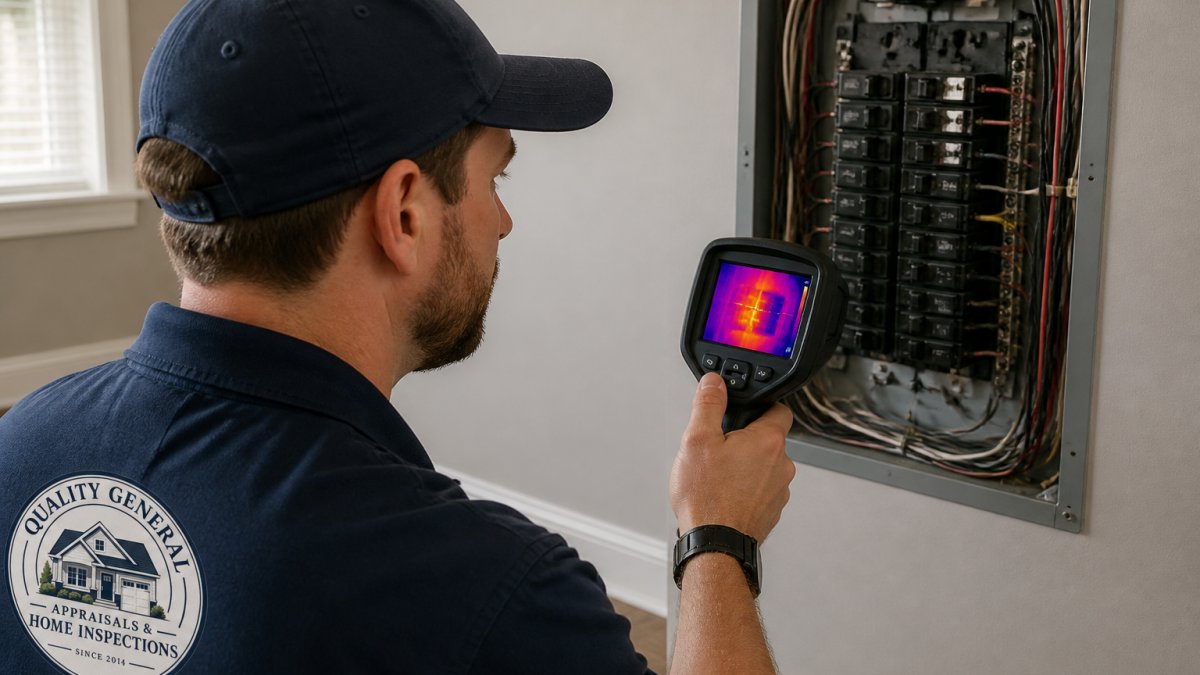
Mechanical systems are critical. The HVAC system, water heater, and electrical panel receive detailed inspection. Inspectors test heating and cooling, check for proper ventilation, and evaluate electrical safety. They document the age and condition of each major component.
Plumbing systems are fully assessed. Inspectors check water pressure, drainage, visible pipes, and fixtures. They look for leaks, corrosion, and code violations. Water quality testing may be separate depending on your situation.
Roofing and exterior get inspected. The inspector examines roof condition, flashing, gutters, and exterior walls. They assess siding, windows, doors, and grading around the foundation. Many inspections include a visual roof assessment from the ground. Significant structural concerns identified during these assessments often necessitate a more specialized roof inspection cost guide to determine the financial scope of necessary repairs.
Interior components are documented. Walls, ceilings, floors, doors, windows, and built-in appliances are evaluated. Inspectors note condition, functionality, and any visible defects.
Safety systems are verified. Smoke detectors, carbon monoxide detectors, and fire extinguishers are checked. Stair railings and handrails are evaluated for safety compliance.
Quality General Appraisals & Home Inspections provides same-day reports with photos so you understand exactly what was found.
Specialized Tests: Radon Testing and Beyond
Beyond the standard inspection, many homebuyers in Springfield and Southwest Missouri choose additional testing. These specialized evaluations address specific health and safety concerns.
Radon testing is common in Missouri. Radon is a naturally occurring radioactive gas that can accumulate in basements (the EPA). Many homes in the region have elevated radon levels. Testing typically involves placing a device in the lowest livable level for several days. Results help you decide if mitigation is needed before purchase.
Mold testing identifies hidden moisture problems. While inspectors note visible mold, professional mold testing checks air quality and surfaces. This is especially important in older homes or properties with water damage history.
Termite and WDI inspections protect your investment. Wood-destroying insect inspections look for termites, carpenter ants, and other pests. These creatures can cause serious structural damage. Many lenders require WDI inspections before financing.
Water testing checks safety. If the home uses well water, testing ensures it's safe to drink. Tests check for bacteria, chemicals, and other contaminants.
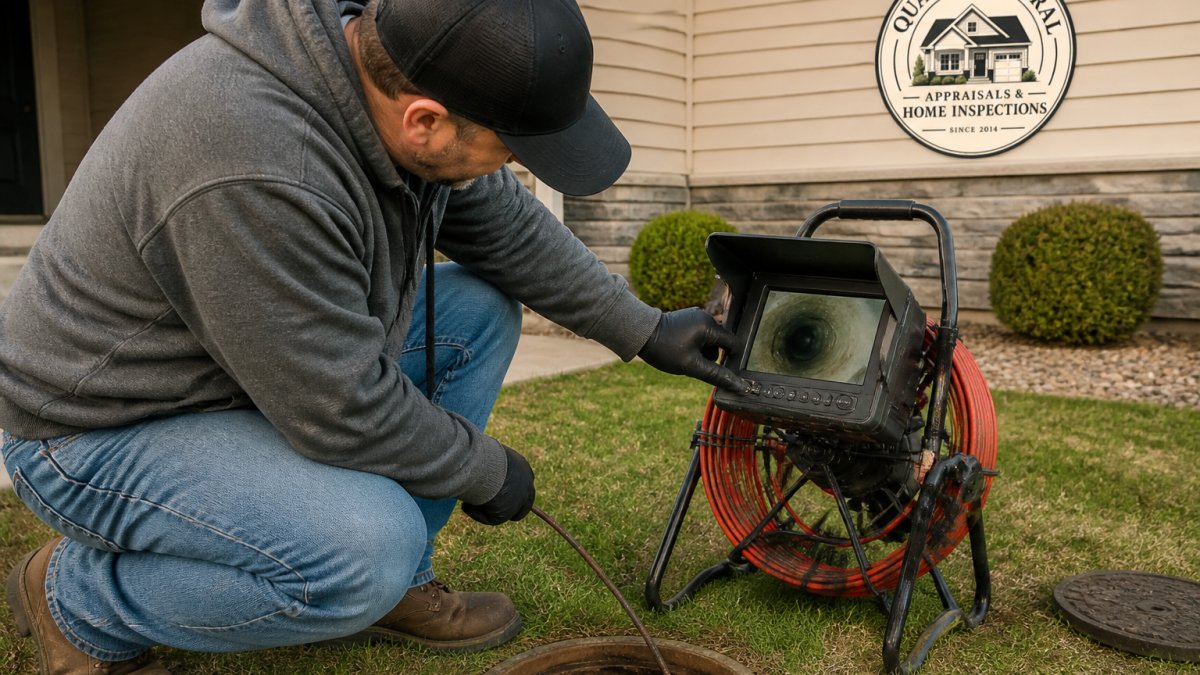
Sewer scope inspections reveal hidden problems. A camera is sent through the sewer line to check for cracks, blockages, tree roots, or misalignment. This prevents expensive surprises after purchase.
Each specialized test adds value by identifying problems early. The investment in testing is small compared to discovering issues after closing.
Sewer Scope Inspection Services
A sewer scope inspection uses video technology to examine the line from your house to the main sewer connection. This inspection reveals problems that are impossible to spot otherwise.
The camera travels through the entire sewer line. The inspector watches video in real-time, documenting any issues. Common problems include:
- Cracks or breaks in the line
- Tree root intrusion
- Misaligned or offset sections
- Buildup or blockages
- Corrosion in older pipes
Sewer problems are expensive to fix. Excavation, line replacement, or root removal can cost thousands. Knowing about problems before purchase lets you negotiate or walk away informed.
In Springfield and surrounding Southwest Missouri, sewer scope inspections are increasingly common, especially for older homes. Homes built before the 1980s are at higher risk for line deterioration.
Quality General Appraisals & Home Inspections uses professional sewer camera equipment to provide clear video documentation. You receive a report showing exactly what was found.
How Long Does a Home Inspection Take
The time required for a home inspection varies based on property size and complexity. Understanding the timeline helps you schedule accordingly.
Most inspections take 2-4 hours. A typical 2,000-square-foot home requires about 3 hours. Larger homes take longer. Smaller homes or condos may be completed in 2 hours.
Factors that extend inspection time include:
- Larger square footage
- Older homes with more systems to evaluate
- Multiple stories or complex layouts
- Difficult-to-access areas
- Poor lighting or storage of equipment
- Weather conditions affecting roof access
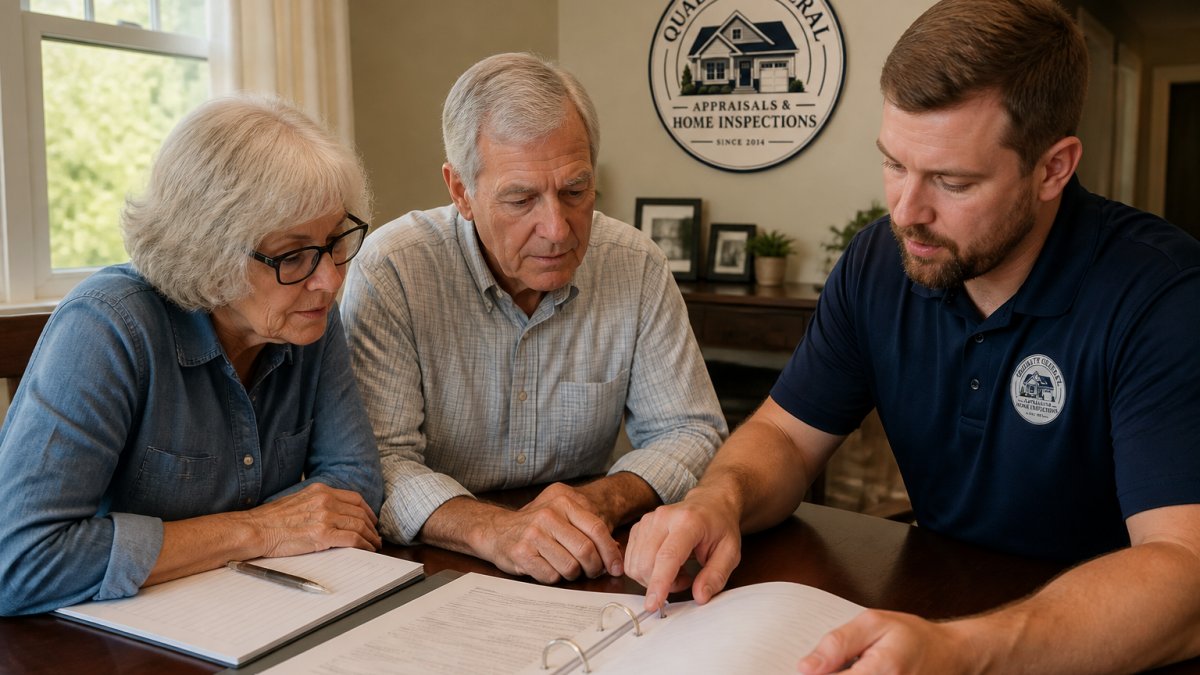
You can usually be present during the inspection. Many buyers prefer to walk through with the inspector. This lets you ask questions and see findings firsthand. The inspector will explain what they're checking and why.
Same-day reporting saves time. Quality General Appraisals & Home Inspections delivers detailed reports the same day. You don't wait days to understand what was found. Same-day reporting is especially valuable when you're under a tight timeline.
Real estate agents in Springfield and Southwest Missouri appreciate inspectors who work efficiently. Back-to-back inspections are possible when the inspector manages time well.
Getting Your Money's Worth From a Home Inspection
A professional inspection is one of the smartest investments in the home buying process. Here's how to maximize the value you receive.
Choose an experienced inspector. Look for certified professionals with substantial inspection history. Certifications from national organizations indicate training and standards compliance. Quality General Appraisals & Home Inspections employs a Certified Master Inspector with extensive experience evaluating Southwest Missouri properties.
Request detailed photo documentation. Photos prove what was found and help you understand the report. A good inspector includes detailed photos showing conditions, problems, and areas of concern.
Ask questions during the inspection. If you're present, ask the inspector to explain findings. Understanding the severity of issues helps you decide next steps.
Review the written report carefully. Don't skim it. Read through all sections. Understand what was found, what it means, and what repairs might cost.
Use findings to negotiate. If significant issues are discovered, you can request repairs, credits, or price reduction. The inspection gives you use to negotiate fairly.
Plan for future maintenance. The report identifies aging systems and components. You'll know when to budget for water heater replacement, roof repair, or HVAC service.
Get a second opinion on major issues. If the inspector finds something concerning, you can hire a specialist to evaluate further. This is especially important for structural, electrical, or plumbing concerns.
Many homebuyers in Springfield find that a thorough inspection prevents costly mistakes. The cost of the inspection is recovered many times over when it identifies problems that affect your offer or negotiation.
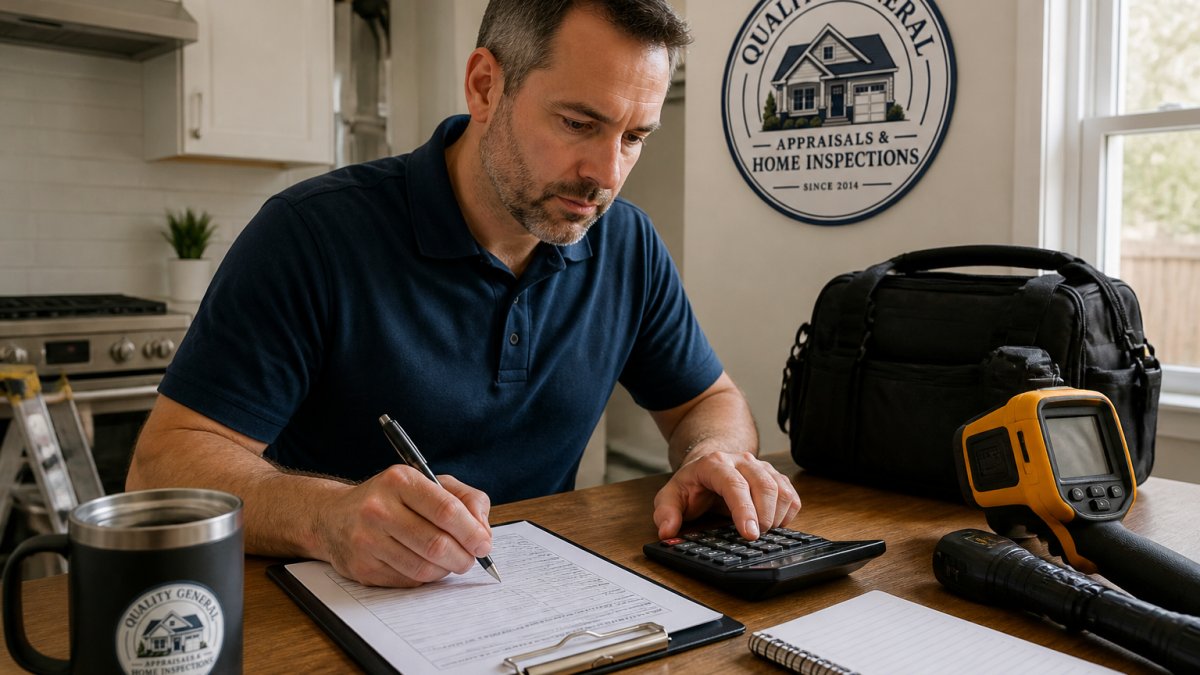
Buying a home is one of life's biggest decisions. Understanding the home inspection cost and what you receive for that investment helps you move forward with confidence. Quality General Appraisals & Home Inspections provides comprehensive inspections, specialized testing, and detailed same-day reporting to homebuyers and sellers throughout Springfield and Southwest Missouri. Our team uses advanced technology including thermal imaging and sewer cameras to deliver thorough evaluations. When you're ready to schedule an inspection or learn more about our services, reach out to Quality General Appraisals & Home Inspections to discuss your specific needs and get started with a professional evaluation you can trust.
Frequently Asked Questions
What factors affect home inspection cost?
Home inspection cost depends on several variables: property size (square footage), age of the home, location within the Springfield area, and the complexity of the structure. Older homes or those with unique features often require more time and detailed analysis. Additionally, whether you add specialized tests like radon testing, sewer scope inspections, or mold testing will affect the total investment. Each property is different, so contacting Quality General Appraisals & Home Inspections for a personalized quote ensures you understand what applies to your specific situation.
What is included in a standard home inspection?
A comprehensive home inspection covers the major systems and components: foundation and structural integrity, roof condition, electrical systems, plumbing, HVAC equipment, interior walls and ceilings, doors and windows, and exterior conditions. Inspectors use professional equipment including thermal imaging to identify issues invisible to the naked eye. Quality General provides detailed photo-based reports that document findings clearly. The inspection does not typically include specialized testing like radon or mold unless specifically requested as an add-on service.
Is radon testing worth the extra cost?
Radon is a naturally occurring radioactive gas that can accumulate in homes and pose health risks. The EPA recommends testing in all homes. Whether radon testing is worth it depends on your risk tolerance and your home's location. Many buyers in Southwest Missouri choose to include radon testing during the inspection process to get a complete picture of home safety. Quality General offers radon testing as part of a comprehensive evaluation, giving you peace of mind before closing.
How long does a typical home inspection take?
A standard home inspection typically takes 2 to 3 hours, depending on the home's size, age, and complexity. Larger properties or homes with additional systems may take longer. Quality General prioritizes thoroughness over speed, ensuring every component receives proper attention. If you add specialized tests like sewer scope inspections or radon testing, plan for additional time. Same-day reporting is available, so you receive detailed findings quickly without waiting days for results.