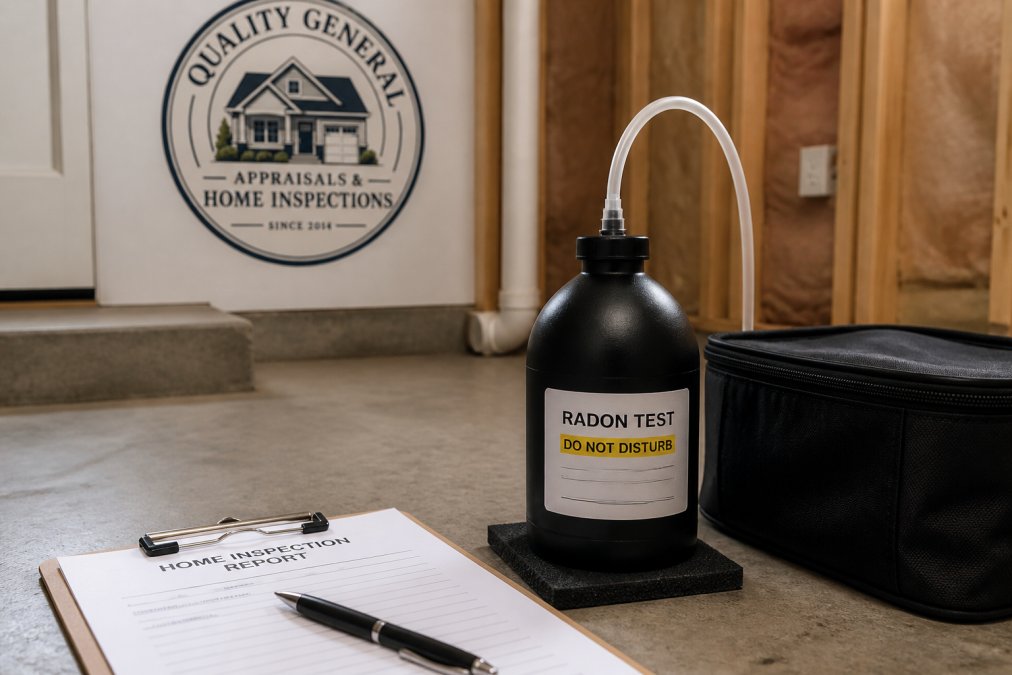
 ultimate-guide
Is Radon Testing Necessary for New Homes?
Table of Contents
- Why Radon Testing Is Necessary for New Homes
- How Radon Enters New Construction
- How to Test for Radon in a New House
- Radon Levels in Springfield, Missouri and What They Mean
- Passive Radon System vs Active Radon System: Which Works Best
- When to Test and How Often
- What to Do If Your New Home Has High Radon
- Frequently Asked Questions
Last Updated: September 23, 2026
Why Radon Testing Is Necessary for New Homes
Many homebuyers assume that is radon testing necessary for new homes can be answered with a simple "no", especially if the builder included radon-resistant construction features. This assumption costs families real money and real health risks. The truth is that is radon testing necessary for new homes with a resounding yes, even for brand-new construction.
According to the Environmental Protection Agency's radon guidance, testing is the only way to determine if a home has a radon problem, including homes built with radon-resistant features. Modern homes are often more airtight than older construction, which can actually trap radon gas inside rather than allowing it to dissipate. A new build completed in 2024 or 2025 doesn't guarantee low radon levels, it just means you need to verify them yourself.
The EPA recommends that average annual indoor radon levels do not exceed 4.0 picocuries per liter (pCi/L). If your new home tests above that threshold, you'll need mitigation, and the sooner you know, the sooner you can address it.
How Radon Enters New Construction
Radon is a colorless, odorless radioactive gas that seeps from soil and rock into buildings. It doesn't discriminate between old homes and new ones. The pathways are the same: foundation cracks, gaps around pipes, unsealed sump pump openings, and joints where the foundation meets the wall.
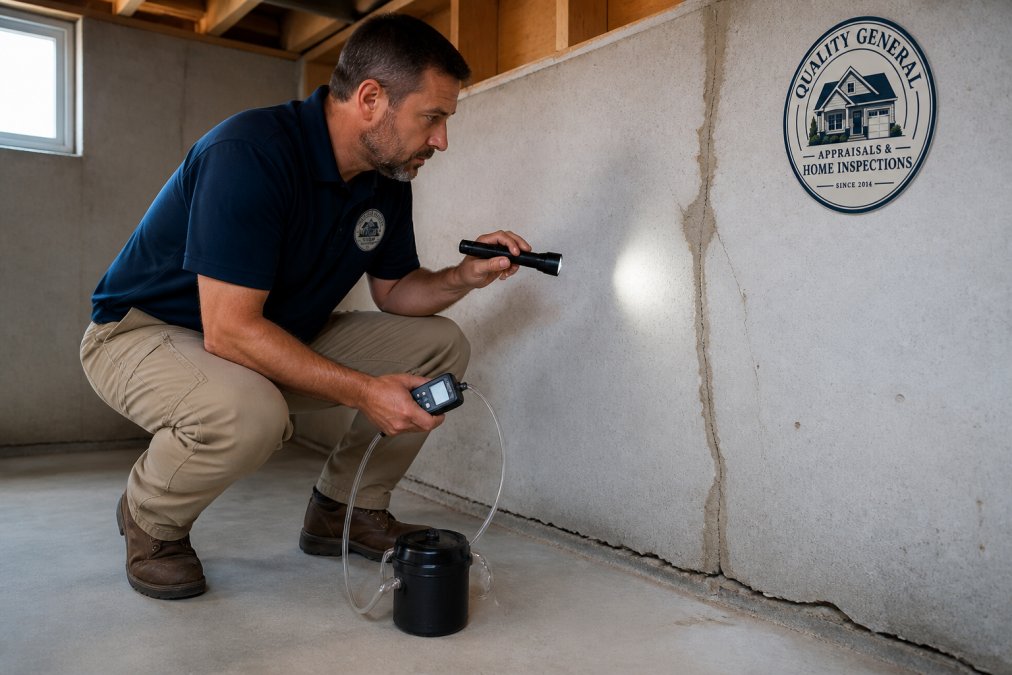
New construction presents a unique vulnerability. As foundations cure and settle during the first year, micro-cracks develop. The ground beneath a new home hasn't been disturbed in decades, radon levels in the soil can be unpredictable. Additionally, modern building codes emphasize energy efficiency, which means homes are sealed tightly to prevent air leakage. This same tightness traps radon that would otherwise escape through natural ventilation in older, leakier homes.
The EPA notes that foundation settling as a variable for radon entry means radon levels can shift as new homes age. What reads as safe during initial testing might change within months.
How to Test for Radon in a New House
Testing for radon is straightforward but requires proper protocol. A short-term test takes 2 to 7 days, while a long-term test runs for 90 days or more. For new homes, the EPA recommends a long-term test to establish a reliable baseline, since radon levels can fluctuate seasonally and during the settling period.
Here's the typical process:
- Hire a certified radon tester. Look for professionals trained in radon measurement and familiar with EPA protocols.
- Place the test device in the lowest livable level. For homes with basements, that's the basement. For slab-on-grade homes, the device goes in the lowest occupied area.
- Keep doors and windows closed during testing. This simulates normal living conditions and gives you accurate readings.
- Avoid unusual ventilation. Don't run exhaust fans or open windows excessively during the test period.
- Document the results. A certified tester will provide a formal report showing the radon concentration in pCi/L.
Professional testers use specialized equipment, charcoal canisters, alpha-track detectors, or electronic monitors, that measure radon decay products. These tools are far more reliable than DIY kits, and the data is defensible if you need to negotiate remediation with a builder or seller.
Radon Levels in Springfield, Missouri and What They Mean
Radon levels vary by geography, geology, and local soil composition. Southwest Missouri sits in an area where radon potential is moderate to high in many neighborhoods. The EPA categorizes counties by radon potential, and understanding where your home falls helps you interpret your test results.
If your test result comes back at 4.0 pCi/L or higher, the EPA recommends taking corrective action. Levels between 2.0 and 4.0 pCi/L are a gray zone, some experts recommend mitigation, others suggest retesting. Below 2.0 pCi/L is generally considered safe, though no level is completely risk-free.
According to guidance from the American Lung Association, all buildings should be tested for radon regularly, at least every 2 to 5 years, as part of long-term home maintenance and safety. For new homes in the Springfield area, your first test establishes a baseline. Retesting every few years ensures you catch any changes as the foundation settles or soil conditions shift.
Passive Radon System vs Active Radon System: Which Works Best
If your new home tests high for radon, mitigation is the next step. Two main approaches exist: passive systems and active systems.
Passive radon systems rely on natural air pressure differences to move radon-laden air from below the foundation to above the roofline. A vent pipe runs from the foundation, through the home, and exits through the roof. No fan is involved, it's purely gravitational and convective. Passive systems work best in homes with naturally good air pressure dynamics and moderate radon levels (typically 4.0 to 8.0 pCi/L).
Active radon systems use an electric fan to actively pull radon from below the foundation and vent it safely outside. The fan creates consistent negative pressure, making active systems more reliable and effective, especially for high radon levels (above 8.0 pCi/L) or in homes where passive systems underperform.
Active systems cost more to install and operate (due to electricity use), but they provide predictable, measurable results. Passive systems are cheaper upfront but may not reduce radon levels sufficiently. Many builders in Southwest Missouri install passive systems as a baseline, then switch to active systems if post-construction testing reveals the need. Securing an active system before closing often requires negotiating with builders to ensure the home meets safety standards from the very first day.
The choice between passive and active depends on your test results, your home's design, and your local radon geology. A radon mitigation specialist can recommend the best approach after evaluating your specific situation.
When to Test and How Often
Timing matters for new home radon testing. The EPA recommends testing after the home is substantially complete but before closing. This gives you use to negotiate remediation with the builder if needed. Testing during the final walkthrough is ideal, you're already there, and results come back before you sign final paperwork.
For homes already purchased, test as soon as possible. You're establishing a baseline. If levels are elevated, you can plan mitigation before radon accumulates further.
According to Kansas State University's radon guidance via SOS Radon, the EPA recommends that all houses, regardless of the radon zone in which they are located, be tested for radon during the point of sale. This is especially true for new construction, where you have the strongest negotiating position with the builder.
After your initial test, retest every 2 to 5 years. This is particularly important in new homes during the first 3 years, when foundation settling is most active. Seasonal testing can also reveal patterns, radon levels often spike in winter when homes are sealed tightly against cold weather.
What to Do If Your New Home Has High Radon
Finding high radon in your new home is stressful, but it's also fixable. Your first step is to retest to confirm the result. A single high reading can sometimes be anomalous, so a second test (preferably by a different certified tester) confirms the pattern.
If the retest confirms high radon, contact a radon mitigation contractor. They'll assess your home's foundation, soil conditions, and air pressure dynamics to design an appropriate system. Installation typically takes 1 to 3 days, depending on your home's layout and whether you choose a passive or active approach.
If you're still in the purchase process, this is a negotiation point. Many builders will install or pay for mitigation to avoid killing a sale. Get a mitigation estimate in writing and present it to the seller or builder. In many cases, they'll cover the cost rather than lose the transaction.
If you've already closed, mitigation is your responsibility. The investment in mitigation now protects your family's long-term health and preserves your home's resale value,
Finding high radon in a new home is unexpected, but discovering it early gives you options. Whether you're a first-time buyer, a real estate professional advising clients, or a homeowner concerned about your family's health, radon testing is a critical step in protecting your property. Quality General Appraisals & Home Inspections specializes in radon testing and comprehensive home inspections for new construction across Springfield and nearby areas. Our certified inspectors use professional-grade equipment to deliver accurate, detailed results so you can make informed decisions about your home. Schedule your radon test today and get the clarity you need.
Frequently Asked Questions
Can new homes have high radon levels?
Yes. Modern homes are often more airtight than older ones, which can actually trap radon gas inside. The EPA confirms that testing is the only way to determine if a home has a radon problem, regardless of whether it's new construction or includes radon-resistant features.
What is the EPA action level for radon?
The EPA recommends that average annual indoor radon levels not exceed 4.0 picocuries per liter (pCi/L). If your radon testing reveals levels at or above this threshold, the EPA suggests taking action to reduce radon in your home. Professional radon mitigation systems can help bring levels below this action level.
How often should I test for radon in my new home?
The American Lung Association recommends testing all buildings for radon regularly, at least every 2 to 5 years. This is especially important in new homes because as they settle, foundation shifts can create new entry points for radon gas. An initial test after purchase provides a baseline for future comparisons.
Does Missouri require radon testing for new construction?
While Missouri does not mandate radon testing by state law, the EPA recommends that all houses, regardless of location or age, be tested for radon during the point of sale. This recommendation applies equally to new construction. Testing protects your family's health and provides peace of mind before you move in.