 how-to
Property Appraisal for Estate Settlement: A Guide
Table of Contents
- Why Property Appraisals Matter in Estate Settlement
- Understanding the Date of Death Appraisal
- Key Factors Appraisers Evaluate for Estate Properties
- Retrospective Real Estate Appraisal for Estate Purposes
- What to Expect in an Estate Appraisal Report
- Finding a Real Estate Appraiser for Estate Settlement
- Steps to Prepare Your Property for an Estate Appraisal
- Frequently Asked Questions
Last Updated: October 12, 2026
Why Property Appraisals Matter in Estate Settlement
When someone passes away, their estate often includes real property. Determining the value of that property is critical for several reasons: dividing assets fairly among heirs, calculating estate taxes, and settling debts. A property appraisal for estate settlement provides the official valuation needed to handle these tasks correctly.
At Quality General Appraisals & Home Inspections, we understand how important accuracy is during this sensitive time. An estate appraisal isn't just a number on paper. It's the foundation for legal and financial decisions that affect families.
The appraisal establishes what's called the "date of death value." This value determines how much each heir receives, what taxes are owed, and whether the estate has enough assets to pay creditors. Without a professional appraisal, disputes can arise. Heirs may disagree on value. The IRS may challenge the reported amount. Getting it right protects everyone involved.
Understanding the Date of Death Appraisal
The most important appraisal in estate settlement is the date of death appraisal. This appraisal values the property as of the exact date the person died. It's not about what the property might sell for today or what it sold for years ago. It's about the value on that specific date.
Why does the date matter? Estate law requires this specific valuation for tax purposes. The IRS uses this value to determine estate tax liability. Heirs use it to calculate their inheritance. If the property value has changed since death, those changes don't affect the estate settlement value.
Appraisers use market conditions from the date of death to determine value. They research comparable sales from that time period. They assess the property's condition as it was on that date. This retrospective approach requires experience and detailed market knowledge.
In Springfield and the surrounding Southwest Missouri area, market conditions can shift seasonally and year to year. A qualified appraiser understands local real estate trends and can accurately value a property based on conditions from any point in the past.
Key Factors Appraisers Evaluate for Estate Properties
Professional appraisers examine many aspects of a property when preparing an estate appraisal. The goal is to determine fair market value based on condition and location at the time of death.
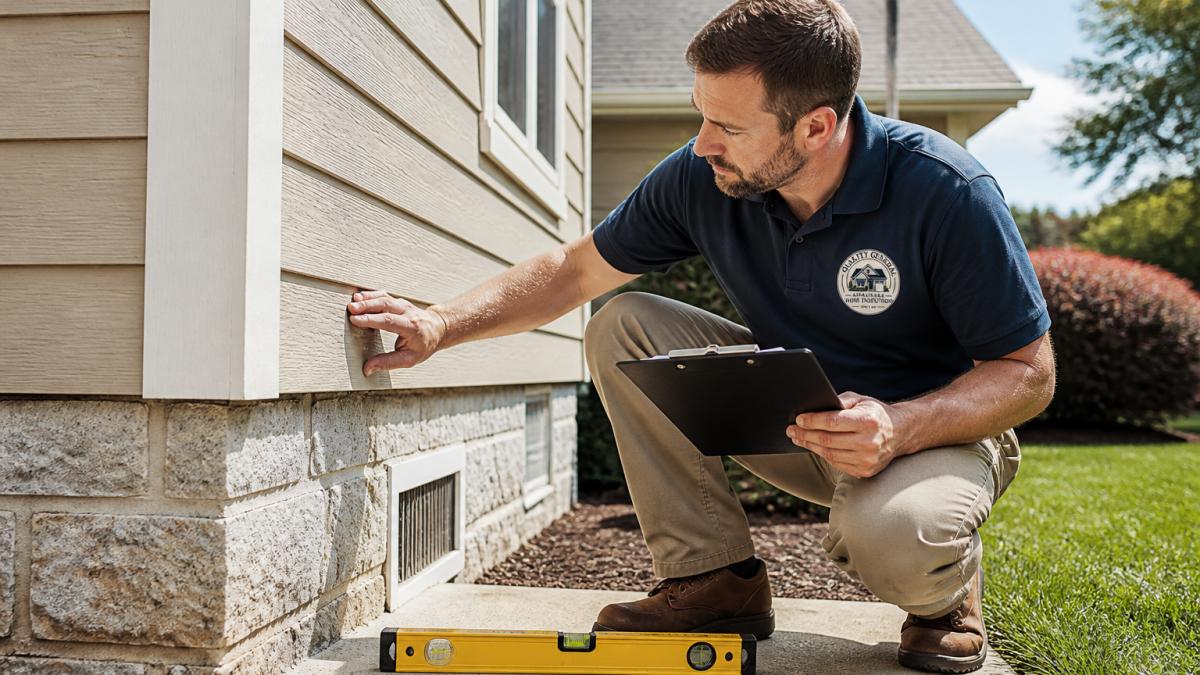
Property Condition and Structural Elements
The physical condition of the home significantly affects its value. Appraisers inspect the foundation, roof, walls, and major systems. Deferred maintenance lowers value. Recent upgrades can increase it.
Key elements appraisers assess include:
- Foundation stability and any visible cracks or settling
- Roof age and condition
- Windows and doors function and condition
- Interior walls, flooring, and finishes
- Plumbing and electrical systems
- HVAC heating and cooling systems
- Basement or crawlspace condition
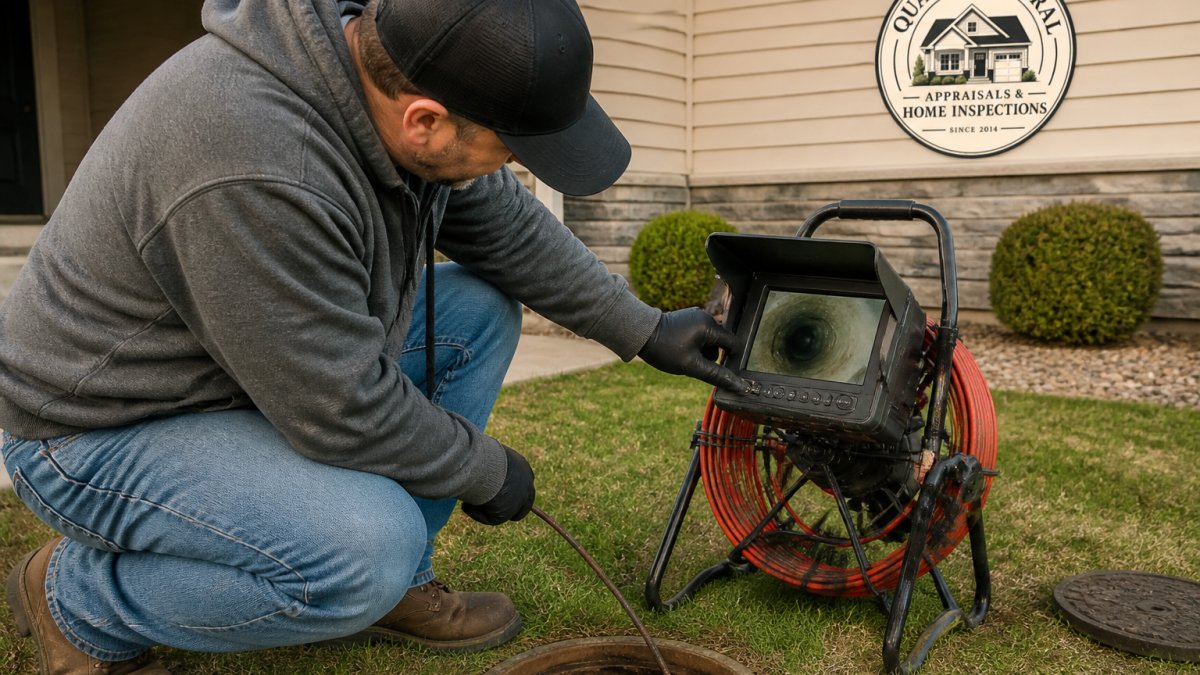
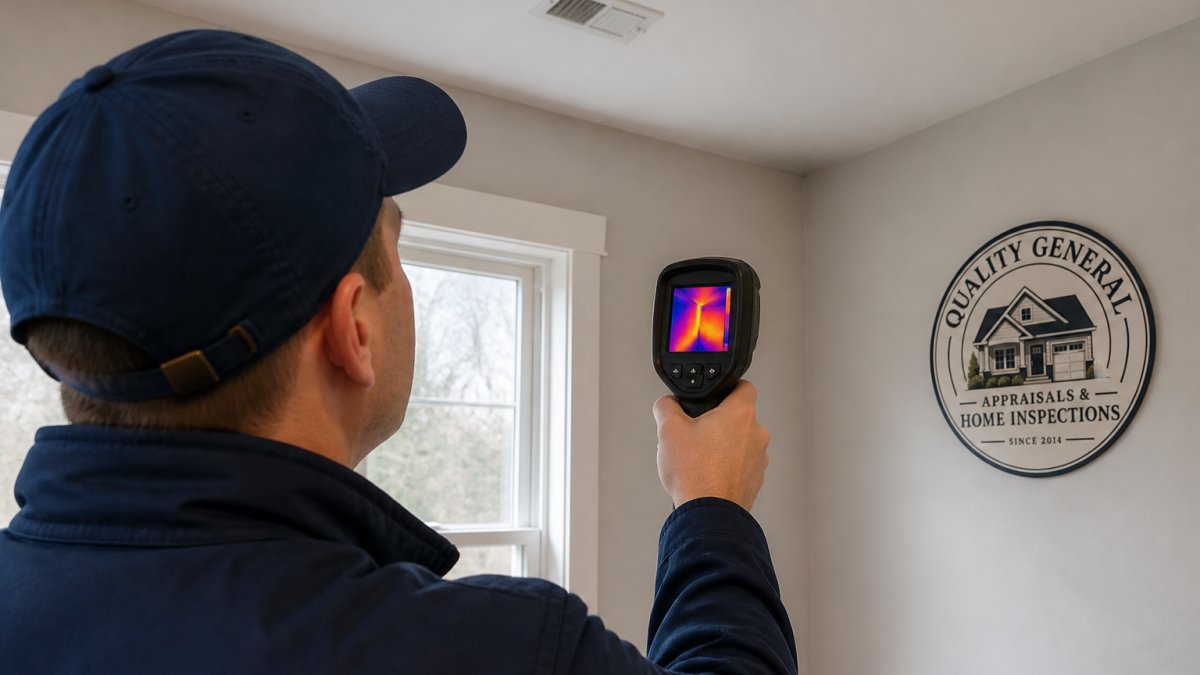
For older homes or properties with potential issues, detailed inspection matters. At Quality General Appraisals & Home Inspections, we use professional equipment and thorough methods to document property condition accurately. This level of detail ensures the appraisal reflects true value.
Market Conditions and Comparable Sales
Appraisers don't assign value in isolation. They research comparable sales. These are recent sales of similar properties in the same area.
The appraiser looks for homes that are:
- Similar in size and age
- Located in the same neighborhood
- Recently sold under normal market conditions
- Adjusted for differences in features and condition
Market conditions at the time of death affect comparable values significantly. A property worth one amount during a strong seller's market may be worth less during a buyer's market. Appraisers must understand the specific market conditions on the date of death to select appropriate comparables and make accurate adjustments.
Retrospective Real Estate Appraisal for Estate Purposes
A retrospective real estate appraisal values property as of a past date. For estate settlement, this means appraising the property as it existed on the date of death, using market conditions from that time.
This type of appraisal requires different skills than a current market appraisal. The appraiser must research historical market data. They need to understand what comparable properties sold for during that period. They must assess property condition based on available information, photographs, or property records from that time.
Retrospective appraisals are common in estate work, divorce proceedings, and legal disputes. They answer the question: "What was this property worth on that specific date?"
Finding an appraiser experienced with retrospective appraisals matters. Not all appraisers regularly perform this type of work. Experience with historical market analysis and estate valuation ensures accuracy.
What to Expect in an Estate Appraisal Report
An estate appraisal report is a detailed document. It includes far more than a single number. The report should explain how the appraiser arrived at the value and support that value with evidence.
A complete estate appraisal report typically includes:
- Property identification and legal description
- Photographs of exterior and interior
- Detailed property description and condition assessment
- Comparable sales analysis with market adjustments
- Valuation approach and methodology
- Final appraised value
- Appraiser's credentials and certification
- Date of appraisal and date of value
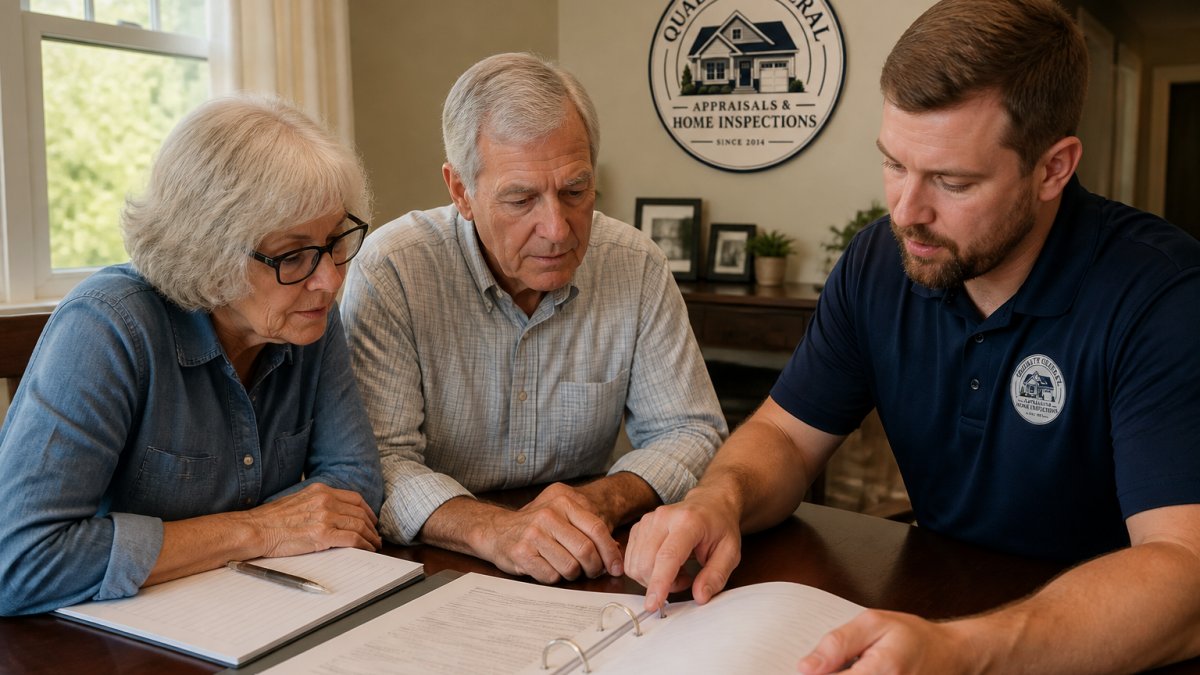
The report serves as the official document for the estate. It's submitted to the court, shared with heirs, and provided to the IRS if needed. Clear, professional reporting protects the estate from questions or disputes later.
Quality appraisal reports from Springfield professionals include detailed photography and clear explanations. When heirs or legal representatives review the report, they should understand the reasoning behind the valuation.
Finding a Real Estate Appraiser for Estate Settlement
Not every appraiser is qualified to handle estate appraisals. You need someone with specific experience in estate valuation and local market knowledge.
Start your search by asking:
- Does the appraiser have experience with estate appraisals?
- Are they certified and licensed in your state?
- Do they understand date of death valuations?
- Are they familiar with your local market?
- Can they provide references from other estate work?
In Springfield and Southwest Missouri, appraisers who specialize in residential properties often handle estate work. Ask your attorney, real estate agent, or estate executor for referrals. They often know qualified professionals.
What to Ask Potential Appraisers
Before hiring an appraiser, ask specific questions about their experience and process:
- How many estate appraisals have you completed?
- How do you research market conditions from the date of death?
- What is your turnaround time for completing the appraisal?
- Do you provide detailed written reports with photographs?
- Are you familiar with properties in this area?
- Can you explain your methodology for valuing this specific property?
Clear answers to these questions help you choose an appraiser who understands your needs. An experienced professional will be happy to discuss their process and answer your concerns.
Documentation You'll Need to Provide
Prepare documentation before the appraiser arrives. This speeds up the process and ensures accuracy.
Gather these materials if available:
- Deed and legal property description
- Recent property tax records
- Previous appraisals or assessments
- Photographs of the property from around the date of death
- Records of recent repairs or improvements
- Information about any liens or encumbrances
- Details about the property's history and any known issues
If documentation from the exact date of death isn't available, tell the appraiser. They can work with what you have and note any limitations in the report.
Steps to Prepare Your Property for an Estate Appraisal
While the property's condition on the date of death is what matters, preparing for the appraisal visit ensures the appraiser can access and accurately assess the property.
Before the appraiser arrives:
- Ensure all areas of the home are accessible, including attic, basement, and crawlspace
- Clear clutter from rooms so the appraiser can see walls, floors, and condition
- Provide access to utility areas and mechanical systems
- Have property records and documentation ready
- Make note of any major repairs or improvements made before the date of death
- Point out any known issues or damage the appraiser should evaluate
The appraisal process typically takes two to three hours for a residential property. The appraiser will photograph the exterior and interior, measure rooms, inspect systems, and take notes. They may ask questions about the property's history and condition.
Your role is to provide accurate information and access. Don't exaggerate the property's condition or hide problems. The appraiser's job is to determine fair market value based on actual condition.
Estate settlement brings many responsibilities. Determining accurate property value is one of the most important. A professional property appraisal for estate settlement protects the estate and ensures fair distribution of assets.
Quality General Appraisals & Home Inspections serves Springfield and surrounding Southwest Missouri communities with residential appraisals and professional property evaluations. Our team brings experience, local market knowledge, and thorough documentation to every appraisal. When you need reliable estate appraisal services, contact Quality General to schedule your appraisal and get the accurate valuation your estate needs.
Frequently Asked Questions
Why is a property appraisal needed for estate settlement?
A property appraisal for estate settlement establishes the fair market value of the home as of the date of death, which is required by the IRS for estate tax purposes, by probate courts for distribution to heirs, and by lenders for any refinancing or sale. Without an official appraisal, disputes can arise among heirs about property value, and tax liability may be incorrectly calculated. An appraiser provides an objective, documented valuation that all parties can rely on.
What is the difference between a date of death appraisal and a current market appraisal?
A date of death appraisal values the property as it existed on the specific date the deceased passed away, using market conditions and property condition from that time. A current market appraisal reflects today's value. For estate settlement, the date of death appraisal is critical for tax and legal purposes because it establishes the estate's value for IRS reporting and heir distribution calculations.
How long does an estate property appraisal take?
The physical inspection typically takes 2-4 hours depending on the home's size and condition. Quality General Appraisals & Home Inspections provides detailed photo documentation, so you can move forward with settlement discussions promptly.
What documents should I provide to the appraiser?
Provide the property deed, recent tax records, utility bills, any recent repair or upgrade receipts, documentation of the date of death, and details about any special features or recent improvements. If the home has been vacant or needs repairs, disclose that information. The more documentation you provide, the more thorough and accurate the estate appraisal report will be.