 ultimate-guide
Residential Property Appraisal Services: A 2026 Guide
Table of Contents
- What Residential Property Appraisals Involve
- Home Appraisal vs Home Inspection: Key Differences
- The Residential Appraisal Process and Timeline
- How to Prepare for a Home Appraisal
- HUD Foundation Certification and Compliance
- Why Appraisal Accuracy Matters for Your Real Estate Decisions
- Getting Your Appraisal Done Right in Springfield and Southwest Missouri
- Frequently Asked Questions
Last Updated: September 20, 2026
What Residential Property Appraisals Involve
A residential property appraisal is a professional assessment of a home's market value, conducted by a certified appraiser who analyzes comparable properties, condition, location, and other factors to provide a defensible valuation. At Quality General Appraisals & Home Inspections, we understand that appraisals are critical documents in real estate transactions, serving lenders, buyers, and sellers across Springfield and Southwest Missouri.
Appraisers present their expert analysis in appraisal reports that are USPAP-compliant, providing a defensible valuation for various real estate purposes. The appraisal process involves a thorough property inspection, research into local market data, and detailed documentation of findings. According to the Appraisal Institute, advanced residential reporting requires clear, complete, and defensible analysis to meet modern industry standards.
The Springfield market has seen significant activity recently. According to Greater Springfield Board of Realtors market statistics, the median sold price for homes in Springfield is $412,979, with an average sales price increase of 9.85% year-over-year. This dynamic market makes accurate appraisals more important than ever for both buyers and sellers making informed decisions.
An appraisal differs fundamentally from a home inspection. While an inspection evaluates the physical condition and identifies repairs, an appraisal determines market value. Both serve distinct but complementary purposes in real estate transactions, particularly when financing is involved.

Home Appraisal vs Home Inspection: Key Differences
These two assessments answer different questions and serve different audiences. Understanding the distinction helps you prepare appropriately and use each report effectively.
A home inspection examines the structural integrity, mechanical systems, and overall condition of the property. The inspector looks for safety issues, maintenance needs, and costly repairs. An appraisal, by contrast, focuses exclusively on market value. The appraiser doesn't care whether the roof needs replacement, only how that condition affects what a buyer should pay.
The scope is narrower for appraisals but deeper for inspections. An appraiser spends 30-60 minutes on site, gathering data to support a value conclusion. An inspector typically spends 2-4 hours documenting every system, component, and deficiency. Quality General Appraisals & Home Inspections provides both services, recognizing that most homebuyers benefit from understanding both the property's condition and its market position.
Lenders require appraisals to protect their investment. Buyers often request inspections to understand what they're purchasing. Sellers use appraisals to price competitively and inspections to address issues before listing. Real estate agents in Southwest Missouri rely on both documents to guide clients through transactions confidently.
The reports serve different audiences and use different standards. Appraisals follow the Uniform Standards of Professional Appraisal Practice (USPAP). Inspections follow the Standards of Practice established by inspection organizations. Neither replaces the other, they work together to provide a complete picture of a property's value and condition.
The Residential Appraisal Process and Timeline
Understanding the process helps you prepare your property and manage expectations.
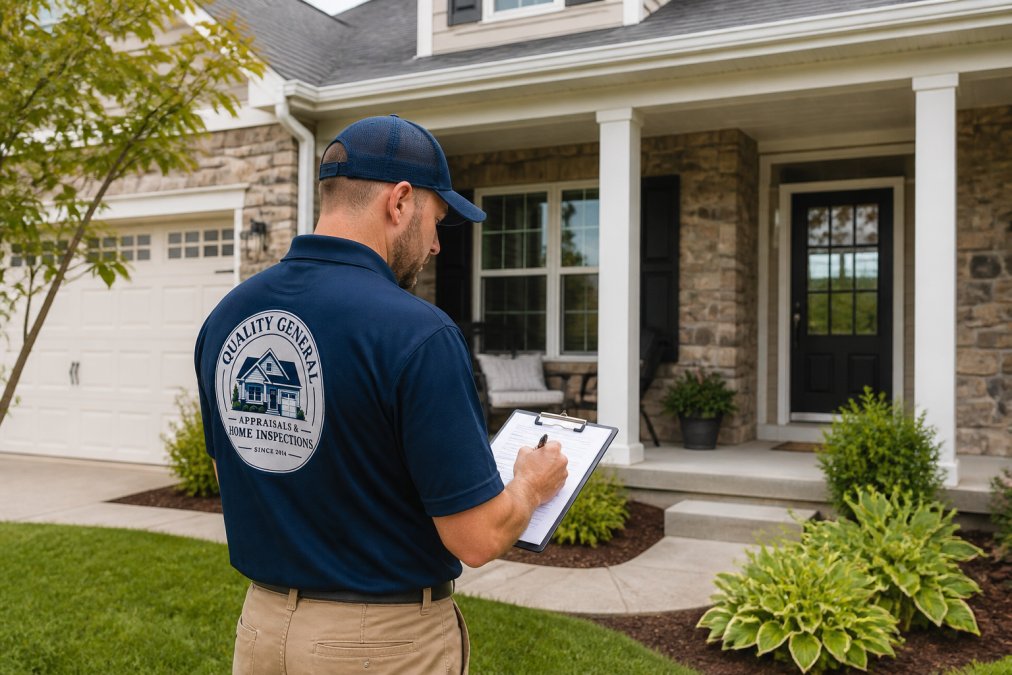
The process begins when a lender or buyer orders the appraisal through a third party. The appraiser receives the assignment, gathers preliminary information about the property and local market, and schedules an inspection. On inspection day, the appraiser walks the entire property, interior and exterior, taking measurements, photos, and detailed notes about condition, upgrades, and any issues affecting value.
After the site visit, the appraiser researches comparable sales in the area. For Springfield properties, this means analyzing recent sales of similar homes to establish a defensible market value. The appraiser adjusts for differences in size, condition, location, and amenities. This comparative market analysis forms the foundation of the appraisal value.
The appraiser then prepares the formal report, documenting findings, comparable properties, adjustments, and the final value conclusion. Quality General Appraisals & Home Inspections delivers detailed photo-based reports that explain the analysis clearly, helping clients understand how the value was determined. The report includes the appraiser's certification that the analysis complies with USPAP standards.
Lenders review the report to confirm the property value supports the loan amount. If the appraisal comes in lower than expected, negotiations may follow. If it supports the purchase price, the transaction moves forward.
How to Prepare for a Home Appraisal
While appraisers evaluate the property as-is, preparing thoughtfully can help ensure an accurate assessment. The appraiser isn't looking for cosmetic perfection, they're assessing market value, but accessibility and documentation matter.
Clear access to all areas of the property is essential. Unlock gates, move vehicles from the driveway, and ensure the appraiser can inspect the roof, foundation, attic, and crawlspace safely. If you have a security system, provide the code. If certain areas are locked, inform the appraiser in advance so they can note limited access in the report.
Document recent improvements or upgrades. Provide receipts for major work like a new roof, HVAC system, electrical panel, or foundation repairs. These upgrades affect value, and documentation supports the appraiser's analysis. If you've made cosmetic improvements, photos are helpful but less critical than structural or mechanical upgrades.
Be honest about property issues. If you know about foundation settling, roof leaks, or plumbing problems, disclose them. The appraiser will likely discover them anyway, and transparency prevents disputes later. Disputes often arise when clients perceive a valuation as excessively low compared to the market price paid, highlighting the importance of transparent appraisal methodology.
Gather information about the property's history. Know the year built, any major renovations, square footage, and lot size. If you have a survey, septic inspection, or previous appraisal, share it. This context helps the appraiser understand the property's background and make informed comparisons.
Clean and maintain the property, but don't stage it like a home sale. The appraiser isn't a buyer, they're assessing condition objectively. A clean property is easier to inspect thoroughly, which supports accuracy.
HUD Foundation Certification and Compliance
HUD foundation certifications are required for properties financed through FHA, VA, or USDA loans. These certifications confirm that the foundation meets minimum standards for structural integrity and safety. Quality General Appraisals & Home Inspections provides HUD foundation certifications, ensuring compliance with federal lending requirements.
The HUD certification process involves a detailed inspection of the foundation, including the basement or crawlspace, exterior grading, and any visible structural elements. The appraiser or inspector documents the foundation type, concrete slab, basement, crawlspace, or pier-and-beam, and assesses its condition. Cracks, settling, water intrusion, and structural damage are evaluated against HUD standards.
For Springfield properties, foundation concerns often relate to soil composition and water management. The inspector checks grading around the foundation to ensure water drains away from the structure. Proper drainage prevents moisture problems that could compromise the foundation over time.
The certification confirms whether the property meets HUD minimum requirements or whether repairs are needed before the loan can be approved.
Why Appraisal Accuracy Matters for Your Real Estate Decisions
An accurate appraisal protects both buyers and lenders. For buyers, it confirms whether the purchase price aligns with market value. Overpaying for a property affects your equity position and future resale potential. An accurate appraisal provides confidence that you're making a sound investment.
Getting Your Appraisal Done Right in Springfield and Southwest Missouri
Choosing the right appraiser matters. Your lender may order the appraisal, but understanding what to expect helps you work with the process effectively. Look for certified appraisers with local market knowledge and experience with properties similar to yours.
Frequently Asked Questions
What factors do appraisers look for in residential properties?
Appraisers evaluate property condition, square footage, lot size, location, comparable sales, and structural integrity. They examine the roof, foundation, mechanical systems, and overall condition. In Springfield, where the median sold price is $412,979, appraisers also assess market trends and neighborhood factors that influence value. The appraisal report provides a defensible valuation that lenders and buyers rely on for confident real estate decisions.
How long does a residential property appraisal take?
The on-site inspection typically takes 1-2 hours, depending on the home's size and condition. Quality General Appraisals & Home Inspections delivers same-day reports with detailed photographs, so you can move forward quickly with your purchase or sale timeline.
What is the difference between a home inspection and a property appraisal?
A home appraisal estimates the property's market value for lending and purchase decisions. A home inspection evaluates the home's condition and identifies repairs or safety issues. Both serve different purposes: appraisals protect lenders, while inspections protect buyers. Many homeowners benefit from both services to understand both value and condition before closing.
How can I increase my home's appraised value before an appraisal?
Focus on cleanliness and curb appeal, a well-maintained exterior makes a strong first impression. Document recent upgrades or repairs with receipts. Address obvious maintenance issues like broken fixtures or peeling paint. However, appraisers value the home based on comparable sales and condition, not cosmetic touches. Significant improvements like new roofing or HVAC systems have the most impact on appraised value.
Why would I need a HUD foundation certification for my home appraisal?
HUD foundation certifications are required by FHA, VA, and USDA loan programs to verify the foundation meets federal lending standards. The certification confirms the foundation is structurally sound and safe. In Southwest Missouri, Quality General Appraisals & Home Inspections provides HUD foundation certifications alongside appraisals, ensuring your property complies with all lending requirements.
Does foundation settlement affect home value in Missouri?
Yes, foundation settlement can significantly impact appraised value. Minor settling is normal, but excessive cracks, uneven floors, or structural damage raises red flags for lenders and appraisers. In Missouri's clay-heavy soils, foundation issues are a concern. Professional appraisers assess settlement severity and recommend further evaluation if needed. Addressing foundation problems before appraisal protects your home's value and marketability.
Getting an accurate appraisal is one of the most important steps in any real estate transaction. When you're ready to move forward with confidence, Quality General Appraisals & Home Inspections delivers thorough, certified appraisals with detailed photo-based reporting, same-day turnaround, and the expertise of appraisers with more than 20 years of local market experience. Schedule your appraisal today and ensure your real estate decision is built on accurate, defensible analysis.