 how-to
When to Get a Sewer Camera Inspection
Table of Contents
- Signs of Sewer Line Damage
- When to Get a Sewer Camera Inspection
- How Long Does a Sewer Camera Inspection Take
- Benefits of Sewer Scope for Home Buyers
- Sewer Lateral Inspection Requirements
- What to Expect During a Sewer Camera Inspection
- Frequently Asked Questions
Last Updated: September 30, 2026
Signs of Sewer Line Damage
Your sewer line is out of sight, but problems with it demand immediate attention. The most common warning signs include slow drains, backups in multiple fixtures, and sewage odors near your home or yard.
Slow drains in sinks, showers, and toilets often signal a blockage or partial collapse. If plunging doesn't help and the problem persists across several fixtures, your main sewer line may be compromised. Frequent backups, especially raw sewage coming up through drains, indicate a serious issue that needs professional diagnosis.
Watch for these additional red flags:
- Patches of unusually lush grass in your yard (sewage acts as fertilizer)
- Wet spots or pools of water in your basement or crawlspace
- Cracks in your foundation or settling of your home
- Rodent or insect infestations near your property
- Gurgling sounds from drains or toilets
Age matters too. Sewer lines installed before 1980 often used clay or cast iron pipes, which deteriorate over time. If your home is older and you haven't had recent sewer work, a sewer camera inspection can reveal hidden damage before it becomes catastrophic.
When to Get a Sewer Camera Inspection
A sewer camera inspection is the gold standard for diagnosing sewer line problems. It's a non-invasive way to see exactly what's happening inside your pipes without digging up your yard.
Schedule one if you experience recurring drain issues that don't respond to standard fixes. A single slow drain might be a local clog. Multiple slow drains or backups point to a main line problem that only a camera can properly assess.
Home buyers in Springfield and the surrounding area should strongly consider this test before closing. Many real estate professionals recommend it as part of the inspection process, especially for older homes. Discovering a damaged sewer line after purchase can cost thousands to repair.
Sellers benefit too. A clean camera inspection report can reassure buyers and strengthen your negotiating position. If issues are found, you'll know what repairs are needed before listing.
You should also get a sewer camera inspection if:
- You're planning a major renovation or addition
- Your property has a history of sewer backups
- You notice foundation cracks or unusual settling
- You're buying a home built before 1980
- You see signs of tree root intrusion in your yard
How Long Does a Sewer Camera Inspection Take
A typical sewer camera inspection takes 1 to 3 hours from start to finish. The exact time depends on the length of your sewer line and how easy it is to access the clean-out points.
Most residential sewer lines run 50 to 150 feet from your home to the municipal connection. Inspecting this distance usually takes under an hour of actual camera time. However, setup, access point preparation, and report generation add to the total appointment duration.
If blockages are found during the inspection, clearing them may extend the visit.
Here's what typically happens during the appointment:
- Locating access points (10-15 minutes)
- Setting up equipment (5-10 minutes)
- Running the camera (30-60 minutes)
- Reviewing footage and findings (15-20 minutes)
- Generating your report (varies)
Quality General Appraisals & Home Inspections provides same-day reporting with detailed photo documentation. You'll receive a clear, easy-to-understand report showing exactly what was found and what it means for your home.
Benefits of Sewer Scope for Home Buyers
A sewer camera inspection is one of the smartest investments a home buyer can make. It reveals problems that standard home inspections simply cannot detect.
Many buyers discover sewer damage only after closing, when repair bills arrive. By then, it's too late. A proactive camera inspection shifts that risk to the inspection phase, where you can negotiate repairs or walk away from a problematic property.
For homes in Springfield and Southwest Missouri, older clay and cast iron pipes are common. Tree roots frequently infiltrate these lines, and corrosion weakens them over decades. A camera inspection shows the actual condition, not guesses. Identifying these structural vulnerabilities early prevents costly emergency excavations and helps prioritize the most impactful home repairs for selling.
Key benefits include:
- Avoid surprise repairs - Know the true condition before you buy
- Negotiate with confidence - Use inspection results in price discussions
- Plan your budget - Understand what repairs are needed and when
- Protect your investment - Sewer repairs can easily exceed $10,000; catching problems early saves money
- Peace of mind - Close knowing your sewer system is sound or what needs attention
Lenders and mortgage underwriters in Springfield and Southwest Missouri sometimes require sewer inspections for older properties or loans backed by FHA, VA, or USDA programs. A clean inspection report satisfies these requirements and speeds up your closing process.
Sewer Lateral Inspection Requirements
Requirements for sewer lateral inspection vary by location and lender type. In some municipalities in Southwest Missouri, sewer line inspections are mandatory when a property changes ownership. Others recommend them but don't require them.
Check with your local municipality or county in Southwest Missouri to understand local ordinances. Some areas in Southwest Missouri have specific rules about when inspections must be done or reported.
Lenders have their own standards. FHA loans often require sewer inspections for homes over 40 years old. VA loans may mandate inspections depending on the property's age and condition. USDA loans have similar requirements for rural properties.
Real estate agents and title companies in the Springfield area can advise you on what your specific transaction requires. Don't assume, ask early in the process.
If your inspection reveals damage, requirements for repair vary:
- Some lenders require repairs before closing
- Others allow you to set aside funds in escrow
- Some permit you to accept the condition as-is
Understanding these requirements upfront prevents delays and surprises at closing.
What to Expect During a Sewer Camera Inspection
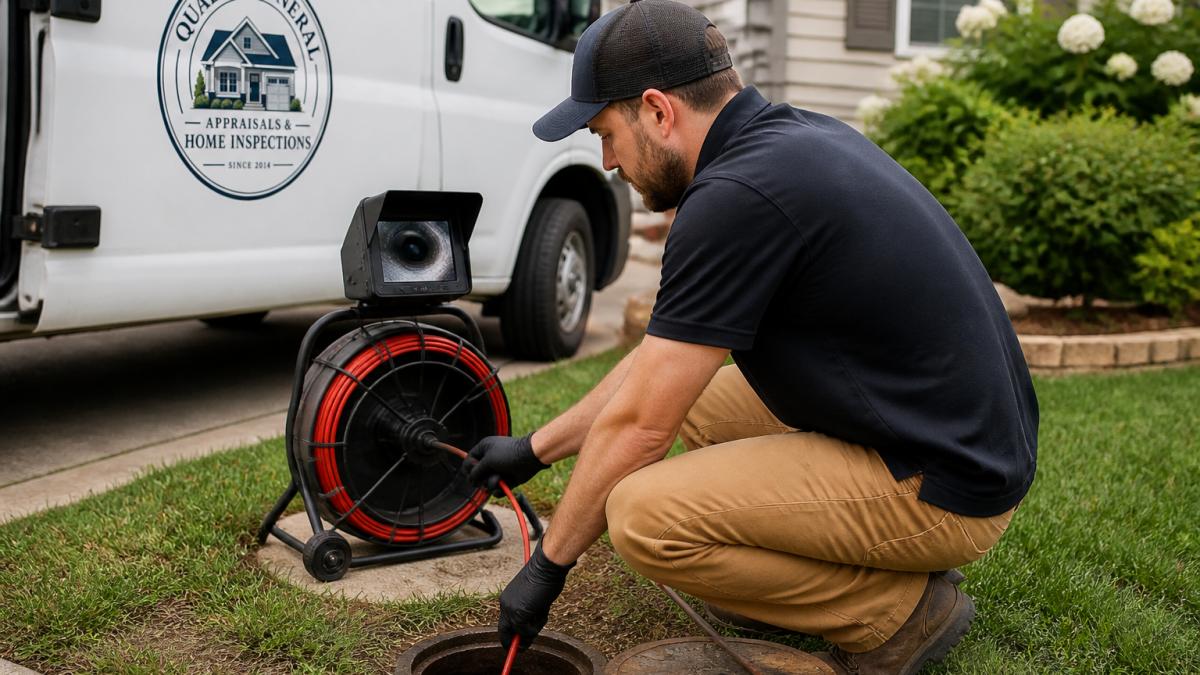
The technician will locate your sewer clean-out, usually a pipe cap or access point in your yard or basement. They'll remove the cap and feed a flexible camera probe into the line.
The camera sends real-time video to a monitor above ground. The technician guides the camera through your entire sewer line, documenting any issues: cracks, collapses, blockages, tree root intrusion, or corrosion.
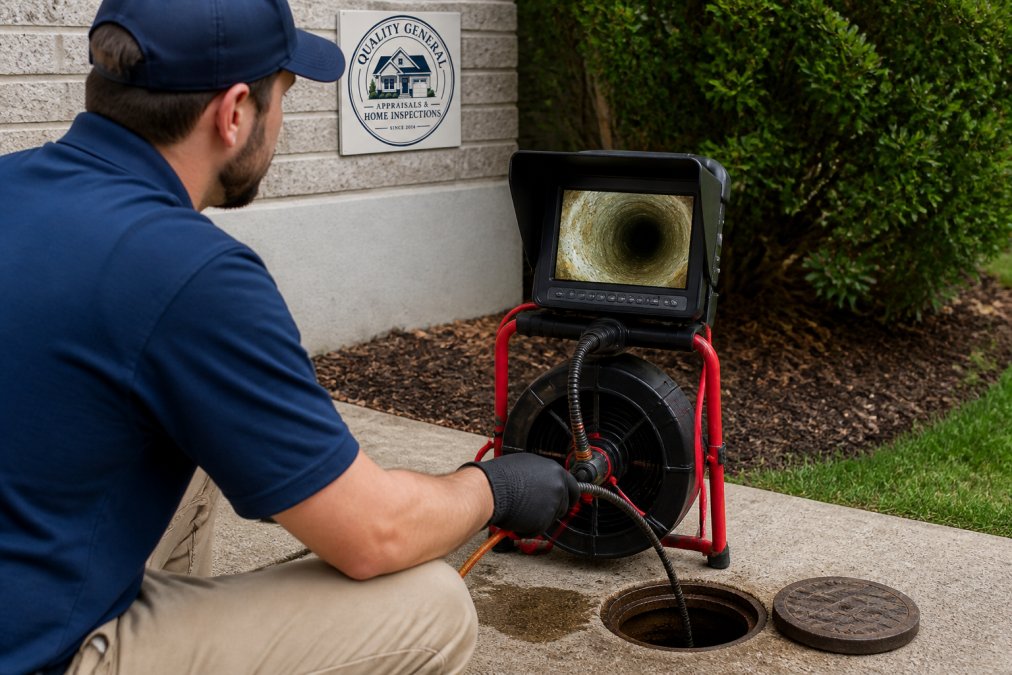
You can watch the footage as it happens. Many homeowners find it helpful to see what's actually inside their pipes. The technician will explain what they're seeing in plain language, not technical jargon.
After the inspection, you'll receive a detailed report. Quality General Appraisals & Home Inspections includes photographs and video clips showing key findings. The report explains what was found, what it means, and what you should do next.
Most inspections are non-invasive and cause no damage to your sewer system. The process is safe for your pipes and your property.
A sewer camera inspection gives you clarity about one of your home's most critical systems. Whether you're buying, selling, or maintaining your property in Springfield and Southwest Missouri, knowing the true condition of your sewer line protects your investment and prevents costly surprises. Quality General Appraisals & Home Inspections can schedule your sewer line scope and deliver the detailed, photo-based report you need to make confident decisions. Contact Quality General to schedule your sewer camera inspection and get answers about your sewer system today.
Frequently Asked Questions
What are the signs that I need a sewer line inspection?
Common signs include slow drains throughout your home, recurring backups in multiple fixtures, sewage odors in your yard or basement, unusually green patches in your lawn, and gurgling sounds from drains. If you notice any of these issues, a sewer camera inspection can identify the exact cause, whether it's tree root intrusion, cracks, or blockages, so you can address the problem before it becomes costly.
Is a sewer camera inspection worth it for a new home in Springfield?
Yes. Even newer homes can develop sewer issues from tree roots, ground settling, or manufacturing defects. A sewer camera inspection during your pre-purchase inspection gives you confidence in your investment and protects you from inheriting expensive repairs. It's especially valuable if the home sits on older sewer lines or near mature trees.
How often should I have my sewer line inspected?
Most homeowners benefit from a sewer camera inspection every 3 to 5 years if they have older sewer lines or recurring issues. If your system is newer and problem-free, you may only need one during a home purchase or if symptoms develop. Tree roots, ground movement, and age all affect how quickly problems develop, so your specific situation determines the right schedule.
Can a sewer camera inspection find tree root intrusion?
Absolutely. A sewer camera inspection is one of the most effective ways to detect tree root intrusion. The video feed shows exactly where roots have entered the line, how severe the damage is, and whether the line can be cleared or needs repair. This helps you make informed decisions about treatment options and future prevention.