 How-to
Backing Out of a House Offer: What Inspection Contingencies Allow
Last Updated: November 21, 2026
Quick Summary
You can back out of a house offer after inspection only if your purchase agreement includes an inspection contingency and you act in writing before that deadline. The contingency lets you cancel, renegotiate, or walk away over material defects, but once it expires your cancellation right usually expires with it.
- Your contract language, not the inspection report, sets the limits on cancellation.
- The inspection clock usually starts when the contract is accepted, not when you schedule the inspection.
- Build in at least one business day of cushion rather than sending notice on the deadline day.
- Earnest money is usually refundable when you cancel within a valid inspection contingency.
- Without an inspection contingency, you can still inspect but generally cannot cancel or demand repairs.
Table of Contents
- Your Inspection Contingency: The Contract Clause That Lets You Back Out
- Can You Use an Inspection Contingency to Back Out for Any Reason?
- How Long Can You Back Out of a House Offer After Inspection?
- Can You Lower Your Offer on a House After Inspection?
- What Happens to Earnest Money After Backing Out of a Home Purchase?
- When the Contract Has No Inspection Contingency
- Findings That Justify Walking Away Versus Ordinary Maintenance
- Schedule Your Springfield Home Inspection Before Your Deadline
- Frequently Asked Questions
Your Inspection Contingency: The Contract Clause That Lets You Back Out
Can you back out of a house offer after inspection? Yes, in many cases, but only if your purchase agreement gives you that right.

A home inspection contingency is a contract term that sets a window of time for you to review the property's condition and decide how to proceed. It protects your earnest money when you act within the terms.
At Quality General Appraisals & Home Inspections, we inspect homes across Springfield, Missouri and the surrounding Southwest Missouri area. We see how much depends on what the contract actually says.
The Consumer Financial Protection Bureau guide to closing on a home explains how contingencies fit into the closing process. Read your own contract closely before you rely on any general rule.
Can You Use an Inspection Contingency to Back Out for Any Reason?
No. You can only back out for reasons your contingency covers. Most clauses let you terminate if the inspection reveals a material defect or a condition you did not agree to accept. A cosmetic issue or normal wear usually will not support a cancellation.
Three details control your rights:
- The scope: what the clause says you may inspect and object to
- The deadline: the date by which you must respond in writing
- The remedy: whether you may cancel, request repairs, or both
The U.S. Department of Housing and Urban Development publishes buyer resources that explain how inspection periods work in a typical transaction. The short version: your contract language, not the inspection report, sets the limits.
Purchase contracts vary, and some let the buyer terminate for any reason during the inspection period while others limit cancellation to specific findings. Your real estate agent can tell you which version you signed. Read the report itself carefully too, since findings are only useful if you understand them. Our guide on how to read home inspection reports walks through the sections that matter most.
How Long Can You Back Out of a House Offer After Inspection?
Your window is set by the contingency deadline in your signed contract, not by a standard number of days.
Track these dates before you book anything:
- The inspection period end date stated in the contract
- The date your written response is due to the seller
- The method of notice the contract requires (email, fax, delivery, or a specific form)
- Any extension you negotiated in writing before the original deadline passed
Once the contingency expires, your right to cancel for inspection findings usually expires with it. A late objection can put your earnest money at risk, and a verbal heads-up to your agent is not the same as contract-compliant written notice.
A deadline-driven sequence that works for most Springfield buyers:
- Confirm the inspection period end date and the required notice method on day one of the contract.
- Book the inspection immediately, and ask the provider about turnaround time before you pay.
- Review the report with your agent as soon as it arrives, not the night before the deadline.
- Decide whether to approve, request repairs or a credit, or terminate, and put the decision in the form the contract requires.
- Send written notice before the deadline and keep proof of delivery, including timestamps and read receipts where available.
Watch out: sending notice on the deadline day itself can fail if the contract requires receipt by a certain time, or if the seller's agent does not confirm delivery until the next morning. Build in at least one business day of cushion.
This is why scheduling matters. A Springfield buyer with a short window needs the inspection done early, not on the last day. Our home inspection services page explains what each inspection covers so you can match the scope to your deadline.
Can You Lower Your Offer on a House After Inspection?
Yes, a lower offer or a repair request is often the better path than cancelling. After the inspection, you can ask the seller to fix items, credit you at closing, or reduce the purchase price. The seller can accept, counter, or refuse.
A practical way to frame the request:
- List each defect with the inspector's photo and note
- Separate safety and structural items from cosmetic ones
- Ask for a specific remedy for each item
- Set a response date that fits your contingency deadline
- Put the final agreement in a written amendment
Sellers respond better to documented, specific requests than to a general demand. A repair credit keeps the closing date intact, while a price reduction lowers your loan amount and monthly payment. Talk through the tax and lending effects with your agent and lender before you choose.
What Happens to Earnest Money After Backing Out of a Home Purchase?
Earnest money is usually refundable when you cancel within a valid inspection contingency. It is generally at risk when you back out without a contractual basis or miss the deadline.
The deposit is held in escrow, and release usually requires both sides to agree. If the seller disputes your cancellation, the funds can stay tied up until the parties resolve it or a court decides.
Protect your deposit with three habits:
- Give notice in writing, in the form the contract requires
- Send it before the deadline, not on the deadline
- Keep proof of delivery and a copy of the inspection report
A valid reason tied to the contract terms is what supports a refund. "We changed our minds" is not a contingency right. The Federal Trade Commission consumer advice on buying a home offers plain guidance on deposits and contracts worth reading before you sign.
When the Contract Has No Inspection Contingency
Without an inspection contingency, you have far fewer options. You can still inspect the home, but you generally cannot cancel or demand repairs based on what the inspection finds. Backing out could cost you the earnest money and expose you to further claims.
Your remaining paths are narrower:
- Ask the seller to add an inspection contingency by written amendment
- Negotiate repairs as a courtesy, with no right to cancel
- Proceed and budget for the repairs yourself
- Consult a Missouri real estate attorney about your exposure
Some buyers waive the contingency to strengthen an offer in a competitive market. That is a real risk, and it should be a deliberate choice, not an accident. If you are considering it, get the inspection anyway so you know what you are accepting.
Findings That Justify Walking Away Versus Ordinary Maintenance
Major defects support a cancellation request. Ordinary maintenance usually does not. The line between the two is where most disagreements start, and most guides stop at labeling items instead of explaining how a buyer should weigh them.
A practical framework is to sort each finding by four questions:
- Safety: Does the condition pose a risk to occupants right now (active water intrusion, a failed sewer line, exposed wiring, elevated radon)?
- Structure and systems: Does it affect the foundation, roof structure, electrical service, plumbing, or HVAC in a way that changes the home's livability?
- Insurability and lending: Would an insurer decline coverage or a lender require repair before closing?
- Cost relative to the deal: Is the repair large enough to change the price you agreed to, or is it routine upkeep any older home needs?
| Finding | Typical Category | Usual Path |
|---|---|---|
| Foundation movement or structural damage | Major defect | Further evaluation, negotiate, or cancel |
| Roof at the end of its service life | Major repair | Repair credit or price reduction |
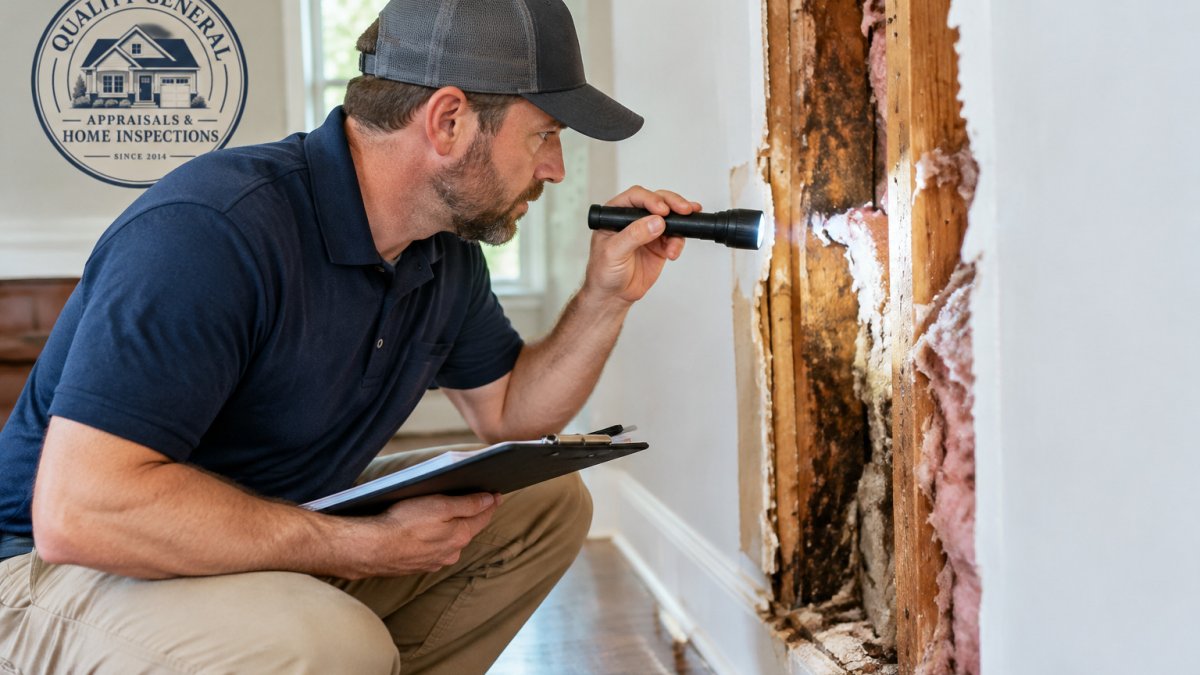
| Active water intrusion or mold | Major defect | Further testing and remedy |
| Failed sewer line | Major defect | Scope and negotiate repair |
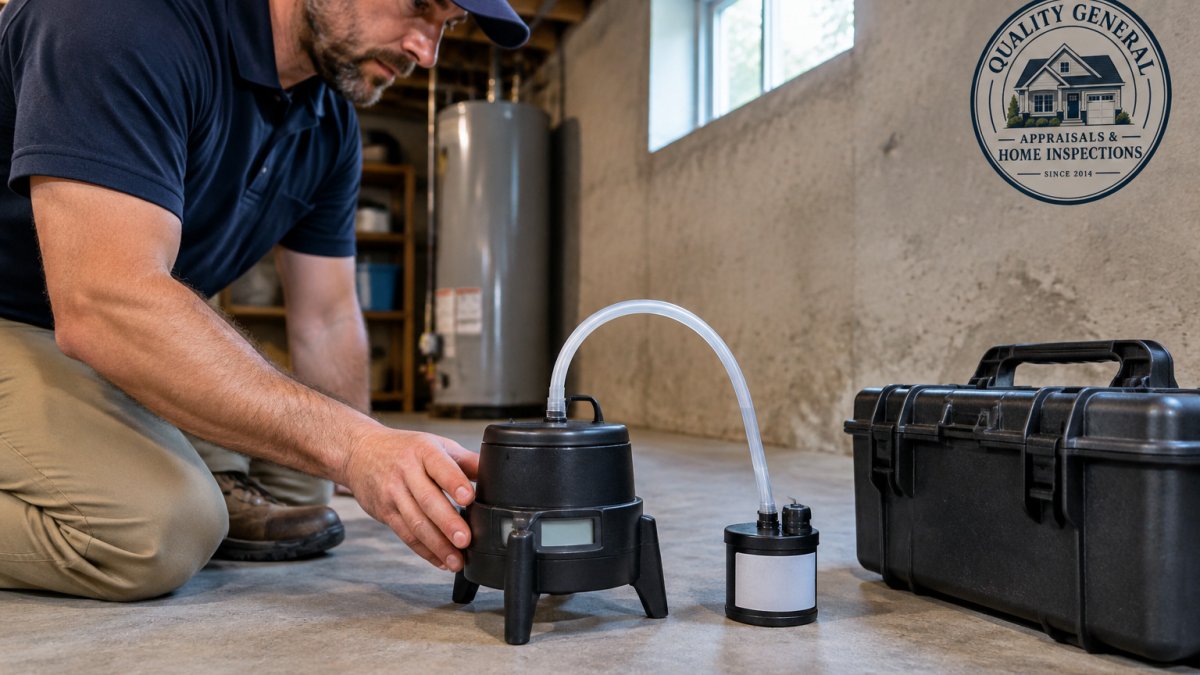
| Elevated radon levels | Health concern | Mitigate or renegotiate |
| Worn caulk, paint, or loose hardware | Maintenance | Handle after closing |
| Dated but working appliances | Maintenance | Budget for replacement |
What most guides miss is that a defect's cost and safety impact matter more than its label. A failing sewer line or an active roof leak changes how a buyer should proceed. A sticky window does not.
A second gap is documentation. When you ask for a repair or a credit, tie each request to the inspector's photo and note, separate safety and structural items from cosmetic ones, and set a response date that fits your contingency deadline.
Watch out: treating a major system as 'ordinary maintenance' because the seller calls it that can cost you the negotiation, and treating a cosmetic item as a deal-breaker can cost you the house. Our article on what happens if a home inspection reveals major issues covers how these findings play out in a real transaction.
Schedule Your Springfield Home Inspection Before Your Deadline
The right inspection, delivered on time, is what makes your contingency usable. If the report arrives after your deadline, the strongest findings will not help you.
Quality General Appraisals & Home Inspections provides home inspections, sewer line scopes, termite and WDI inspections, radon testing, and mold testing for buyers across Springfield and Southwest Missouri. A Certified Master Inspector is on staff, and we deliver same-day reports with clear photos so you can act while your window is open.
Book early and read the report with your agent. Review our home inspection services to see what each inspection covers, and check home inspection prices before you schedule. When you are ready, contact our team to lock in a date that fits your contingency deadline.
Your inspection period is short, and the decision it supports is one of the largest you will make. Get the inspection scheduled at the start of your window, not the end.
Frequently Asked Questions
How long after an inspection can a buyer back out?
The window is set by your purchase agreement's inspection contingency deadline, not by the inspection itself. That period is negotiated in the contract, is usually counted in days from acceptance, and can be short. Once the deadline passes, your right to terminate based on inspection findings usually expires. Check the exact date and time in your contract, confirm how notice must be delivered, and schedule your inspection early enough that you have time to review the report and respond before the clock runs out.
Can you withdraw an offer after inspection?
Yes, if your contract includes an inspection contingency and you act within its terms. You or your agent deliver written notice of termination to the seller before the deadline, and the contract ends. Without that contingency, or after it expires, withdrawing can put your earnest money at risk and may expose you to other contractual consequences. The specific language in your purchase agreement controls, so read it carefully or ask a real estate attorney before you notify the seller.
Can you negotiate a lower offer after a home inspection?
Often, yes. Instead of terminating, many buyers submit a repair request or ask for a price reduction or credit based on the inspection findings. The seller can agree, counter, or refuse. Focus on material issues such as roof condition, foundation concerns, sewer line problems, or active termite damage rather than cosmetic wear. A clear, photo-based inspection report strengthens your position because it documents the condition in a way both sides can review. Your agent can help you frame the request and keep the deal moving toward closing.
What happens to earnest money if a buyer backs out after inspection?
If you terminate within your inspection contingency and follow the contract's notice requirements, the earnest money is generally returned to you. If you back out without a valid contractual basis, or miss the deadline, the seller may be entitled to keep the deposit, and the dispute can escalate. Purchase agreements usually spell out how the deposit is handled and how disagreements are resolved. Keep copies of your inspection report, your written notice, and delivery confirmations so the record is clear if the deposit is questioned.