 blog
How to Decide if Foundation Underpinning Is Worth the Cost
Last Updated: November 4, 2026
Quick Summary
Foundation underpinning is worth the cost when the diagnosis is right, the method fits the soil, and the work is documented. It is a poor investment when it is sold before anyone has inspected the foundation, so get the inspection first and then compare bids on equal footing.
- Underpinning targets the cause of movement, not just the symptom, so soil, drainage, and age all change the repair scope.
- Push piers suit heavy loads and deep stable soil, while helical piles suit lighter loads and tighter access.
- Correcting drainage and grading can stop movement for far less than underpinning when water is the driver.
- Ask each contractor to break the quote into piers, labor, engineering, and permits so you can compare bids line by line.
- A repaired foundation with engineering letters and a transferable warranty reads very differently to buyers and appraisers.
Table of Contents
- What Is Underpinning and When Does a Foundation Need It
- Underpinning Methods Compared: Push Piers, Helical Piles, and More
- What Drives Foundation Underpinning Cost
- Foundation Repair vs. Replacement Cost: Weighing Your Options
- Why a Foundation Repair Inspection Comes Before Any Quote
- The Foundation Repair Effect on Home Value
- Schedule a Foundation Inspection in Springfield, MO
- Frequently Asked Questions
What Is Underpinning and When Does a Foundation Need It
Foundation underpinning is the process of strengthening or deepening a home's foundation so it can carry its load on more stable soil. Homeowners ask whether foundation underpinning is worth the cost because the work is invasive and the price is high. The answer depends on what is actually failing under your house.
Underpinning targets the cause of movement, not just the symptom. A crack in drywall tells you something shifted. It does not tell you why. Soil conditions, drainage, and age all play a part, and each one changes the repair scope.
Foundation movement is a common concern across Springfield and Southwest Missouri. Readers who want practical guidance can learn how to prevent foundation issues in Missouri homes. Local soil and moisture conditions can put real stress on footing depth. That context matters before anyone quotes a repair.
Signs Your Foundation May Need Underpinning
Watch for patterns, not single cracks:
- Doors and windows that stick in one season and free up in another
- Stair-step cracks in brick or block walls
- Uneven floors you can feel underfoot
- Gaps where walls meet ceilings or floors
- Chimneys pulling away from the house
- Sloping exterior grades that send water toward the foundation
One hairline crack is usually cosmetic. A cluster of symptoms that keeps getting worse is a different story. That is when a structural engineer's assessment earns its fee.
Underpinning Methods Compared: Push Piers, Helical Piles, and More
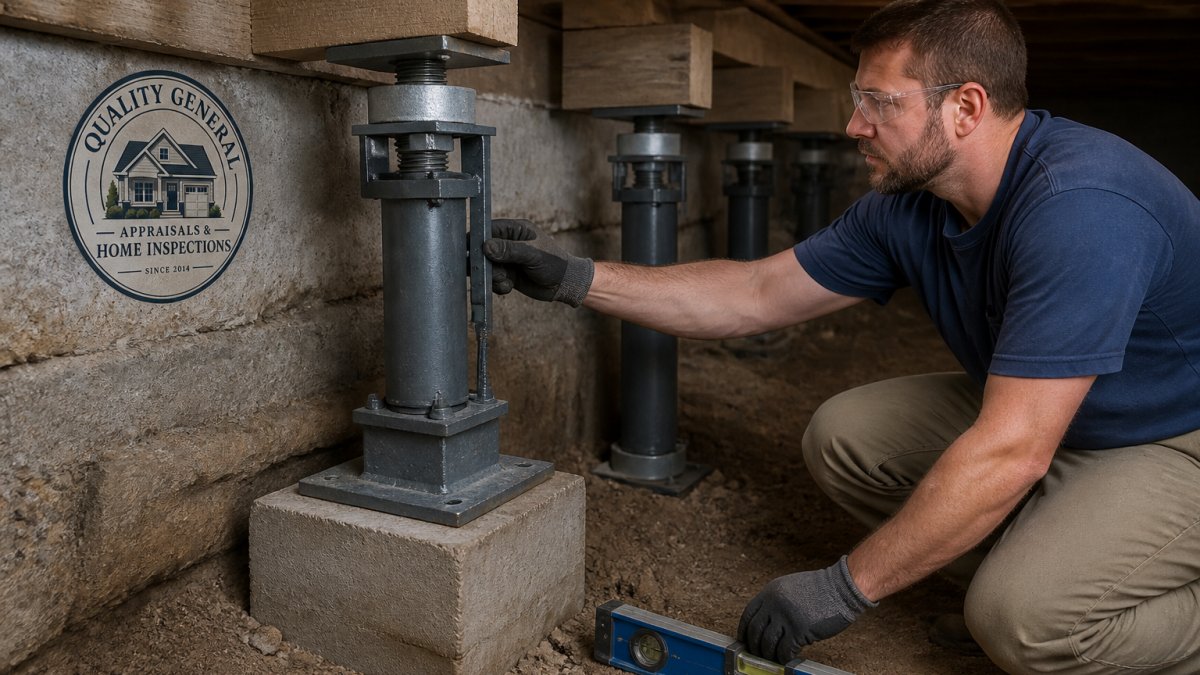
Push piers and helical piles are two common underpinning methods. Both transfer load to deeper, more stable soil. They differ in how they are installed and what soil they suit.
Here is how the main methods stack up:
| Method | How It Works | Best For | Main Drawback |
|---|---|---|---|
| Push piers | Steel piers driven to bedrock or dense soil, then load-transferred | Heavy loads, deep stable soil | Needs good access, limited lift |
| Helical piles | Screw-in shafts with helical plates, torqued to capacity | Lighter loads, tighter access | Capacity depends on soil |
| Mass concrete | New concrete poured under an existing footing | Shallow, uniform soil | Slow, disruptive excavation |
| Grout injection | Expanding grout fills voids under slabs | Void fill, mild settlement | Not a structural fix alone |
The right method comes from soil data and load calculations, not from a contractor's preference. Accepting a pier quote before anyone has assessed the soil can lead to the wrong pick, which wastes money.
What Drives Foundation Underpinning Cost
Underpinning cost is driven by scope, access, and engineering, not by a single flat rate. Any honest project estimate starts with how many piers or how much excavation the repair needs. A contractor quote built on guesswork will change once work begins.
The biggest cost factors:
- Number of piers or linear feet of footing. More support points mean more material and labor.
- Depth to stable soil. Deeper bearing strata take longer to reach.
- Access. Tight lots, finished basements, and landscaping raise labor costs.
- Project complexity. Interior work, plumbing, and utilities in the way add time.
- Engineering and permits. A structural engineer's design and local permits add cost but protect the repair.
- Repair timeline. Longer jobs carry more equipment and crew time.
Pricing depends on your specific foundation area and soil conditions. Two houses on the same street can need very different scopes. For current pricing or a quote, contact Quality General Appraisals & Home Inspections directly. Ask each contractor to break the quote into piers, labor, engineering, and permits so you can compare bids line by line.
Foundation Repair vs. Replacement Cost: Weighing Your Options
Repair almost always costs less than replacement, but repair only works when the foundation can still carry load. When water intrusion is part of the damage, weighing basement waterproofing costs alongside underpinning helps clarify which repairs address the underlying problem.
A transparent cost-benefit analysis compares four numbers, not one:
- The cost of the proposed underpinning. Piers or piles, excavation, engineering, permits, and restoration of landscaping or basement finishes.
- The cost of the damage that would otherwise continue. Cracked brick, sticking doors, floor slope, and plumbing or sewer separation tend to compound once soil movement starts.
- The cost of the cheapest repair that actually solves the cause. Drainage correction, grading, gutter extensions, and soil moisture management can stop movement for far less than underpinning when water is the driver.
- The value the work protects or adds. A documented, warranted repair supports resale and appraisal; a finished basement or added usable space can change the math entirely.
Underpinning is not automatically the answer. A decision matrix helps:
| Condition | Underpinning | Drainage correction | Slabjacking or grout injection |
|---|---|---|---|
| Footing too shallow on clay soil | Usually the right fix | Helpful but not sufficient alone | Not a structural fix |
| Water running toward the foundation | Address drainage first | Primary fix | Not applicable |
| Settled slab with voids, footing sound | Rarely needed | May help | Often sufficient |
| Ongoing movement with structural cracks | Likely needed | Supportive only | Not sufficient |
| Localized settlement, stable soil | Sometimes | Sometimes | Sometimes |
A common pattern in Southwest Missouri is a footing that is sound but sitting on expansive clay that swells and shrinks with the seasons.
Watch out: a contractor who quotes piers before anyone has measured floor levels, checked drainage, or reviewed soil conditions is guessing, and the wrong intervention wastes money even when the work is done well.
If you are weighing repair against resale, read how foundation settlement affects home value before you decide, and ask whether a home inspection or HUD foundation certification will be needed for your transaction.
Why a Foundation Repair Inspection Comes Before Any Quote
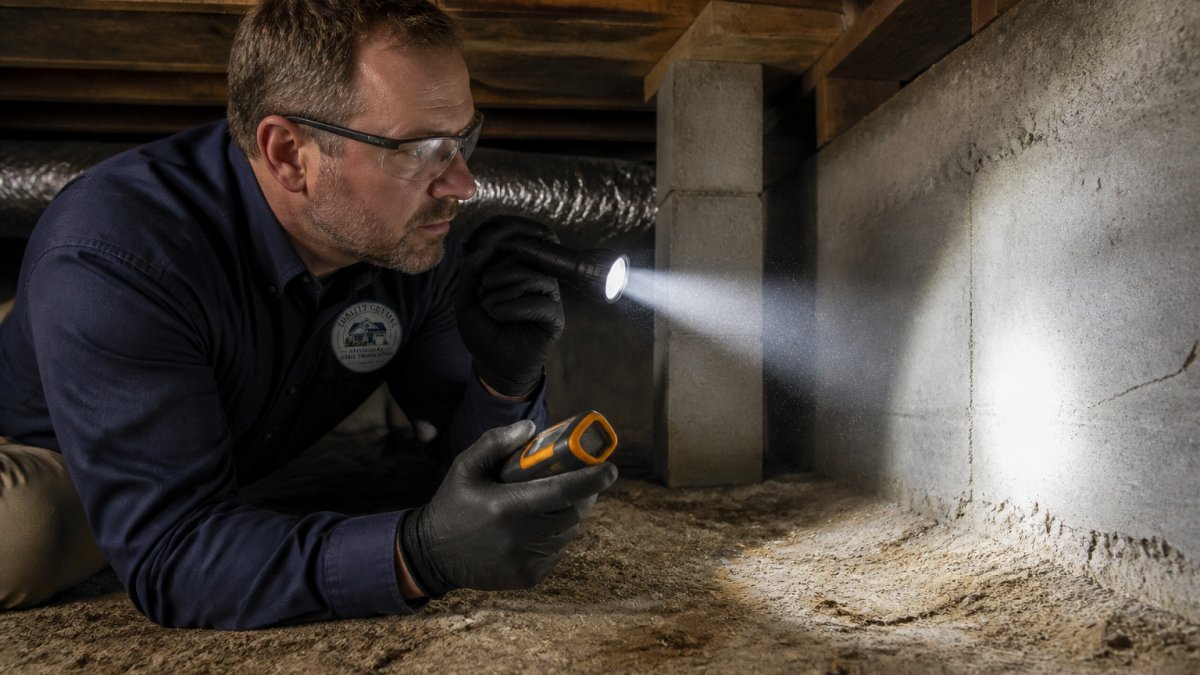
A foundation repair inspection comes before any quote because the repair scope must be measured, not guessed. A proper inspection documents cracks, floor levels, moisture, and crawlspace conditions. It also flags drainage problems that would undermine a new pier system.
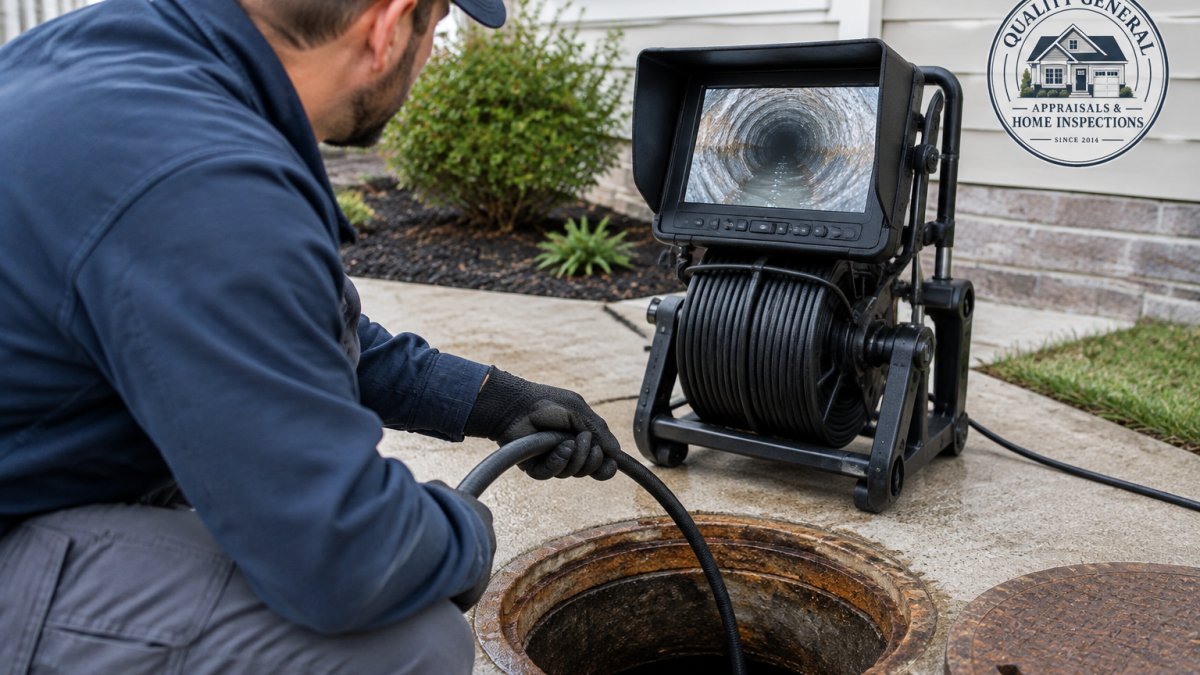
Infrared imaging and moisture detection can help locate hidden water intrusion. Sewer line scopes can identify a cracked line washing soil out from under a footing, which is a foundation problem with a plumbing cause. A detailed photo-based report shows you what the inspector observed.
How to Compare Underpinning Bids
Once you have an inspection report, compare bids on equal footing. Ask each contractor to break the proposal into these parts:
- Pier count and spacing. The engineering design should state how many piers and where, not just a total.
- Depth and capacity. Ask what bearing stratum the piers are designed to reach and how capacity is verified during installation.
- Engineering documentation. A stamped design and as-built report protect you at resale and with lenders.
- Permits. Confirm who pulls the permit and who pays for inspections.
- Warranty terms. Ask what is covered, whether it transfers to a new owner, and what voids it.
- Restoration. Landscaping, basement finishes, and concrete patching should be spelled out.
Watch out: a low bid with fewer piers, no engineering letter, or a warranty that excludes movement is not a bargain, and comparing totals without comparing scopes hides the difference.
Local Permitting, Engineering, and Insurance
In Springfield and surrounding Southwest Missouri communities, foundation repair may involve a structural engineer's report and local permitting before work begins. Ask your contractor which permits apply to your address and whether inspections are required at completion. Keep the engineering letter, permit records, and photos together; they are the paper trail that supports resale and lender requirements.
Homeowners should also check their insurance policy before assuming a claim will cover foundation movement. Many policies exclude earth movement and settlement, so the cost may fall to the homeowner. A pre-repair inspection report documents the condition and helps you have an informed conversation with your insurer.
For buyers and lenders, a HUD foundation certification may be required before certain loans close. Understanding what HUD foundation certification involves helps you plan that step early. You can also review the full scope of our home inspection services before you request a quote from any repair contractor.
The Foundation Repair Effect on Home Value
Foundation repair can protect home value, but only when the work is documented and done right. Buyers and appraisers treat an unaddressed foundation issue as a discount. A repaired foundation with engineering letters and a transferable warranty reads very differently.
What supports property value after a repair:
- Engineer's report and design drawings
- Permit records and inspection sign-offs
- A written warranty on the piers or piles
- Photos of the repair before, during, and after
What hurts value is a patch with no paper trail. Undisclosed movement discovered during a buyer's inspection can sink a sale or force a price cut. If you are weighing repair against resale, read how foundation settlement affects home value before you decide.
Schedule a Foundation Inspection in Springfield, MO
Underpinning is worth the cost when the diagnosis is right, the method fits the soil, and the work is documented. It is a poor investment when it is sold before anyone has inspected the foundation. Get the inspection first, then compare bids on equal footing.
Start with a clear picture of your foundation. Quality General Appraisals & Home Inspections provides home inspections, HUD foundation certifications, thermal imaging, and moisture detection across Springfield and nearby Southwest Missouri communities. Our Certified Master Inspector and same-day photo reports can give you the facts you need to judge any repair quote. Schedule a foundation inspection in Springfield and make the decision with real information in hand.
Frequently Asked Questions
Is foundation underpinning worth the cost?
It depends on how much movement is happening and what it threatens. Underpinning stabilizes a settling foundation and can stop cracks from widening and doors from sticking, which protects the home's structure and value. If an engineering assessment shows active movement, the repair investment usually pays off. If cracks are cosmetic and stable, monitoring and minor repairs may be enough. Get a foundation repair inspection first so you are comparing real conditions, not guesses.
Do foundation repairs devalue a home?
Completed, documented repairs generally do not devalue a home and often protect value by removing a red flag buyers would negotiate over. The foundation repair effect on home value depends on documentation: keep engineer reports, permits, warranties, and photos. Unrepaired movement is what scares buyers and appraisers. Disclose the work honestly and show the paper trail. A Springfield-area appraiser or inspector can help you understand how the repair is likely to be viewed.
What is the best underpinning method?
There is no single best method. Push piers suit heavier loads and deeper load-bearing strata, helical piles work well in tighter access and lighter structures, and mass concrete underpinning fits shallow, localized repairs. Soil conditions, access, and project scope decide the method, which is why a foundation repair inspection and engineering assessment come first. Ask each contractor why they recommend a method for your specific soil and structure.
What signs indicate a home may need underpinning?
Watch for stair-step cracks in brick, cracks wider than a hairline in drywall, doors and windows that stick or no longer latch, sloping or uneven floors, and gaps where walls meet ceilings. Outside, look for separation between the foundation and siding or chimneys pulling away. These signs can have other causes, so a professional foundation repair inspection is the reliable next step before anyone quotes underpinning.
Foundation problems rarely improve on their own, and the cost of waiting usually shows up in the repair quote. Quality General Appraisals & Home Inspections offers same-day reporting, infrared imaging, and a Certified Master Inspector on staff to document exactly what your foundation is doing. Get started with Quality General Appraisals & Home Inspections and base your repair decision on a thorough inspection instead of a sales pitch.