 blog
Is a Pre-Purchase Home Inspection Worth the Money?
Last Updated: November 5, 2026
Quick Summary
A pre-purchase home inspection is worth the money because it reveals hidden defects in the roof, foundation, electrical, plumbing, and HVAC systems before you close, so you can walk away or renegotiate inside your contingency window. Skipping it moves that repair risk onto your own budget after closing.
- A standard inspection is visual and non-invasive and reports on condition, not code compliance.
- Sewer lines, radon, mold, termites, wells, septic, and pools are excluded and need a specialist.
- Schedule the inspection the day your offer is accepted and confirm your contingency deadline in writing.
- Group findings into safety items, major systems, and minor maintenance before you negotiate.
- Ask for a credit or price reduction when you want control over the contractor and the work.
Table of Contents
- What a Pre-Purchase Home Inspection Actually Covers
- Pre-Offer Home Inspection vs. Post-Offer and Pre-Listing Options
- When to Get a Home Inspection When Buying a House
- The Real Risks of Skipping an Inspection
- Home Inspection Report Red Flags Buyers Should Never Ignore
- Using Inspection Findings to Negotiate Repairs and Price
- Your Home Inspection Checklist for Buyers in Springfield, Missouri
- Schedule Your Springfield Home Inspection with Quality General
- Frequently Asked Questions
What a Pre-Purchase Home Inspection Actually Covers
A pre-purchase home inspection is a visual, non-invasive evaluation of a home's major systems and components, performed before you close on the property (What is a Home Inspection?). Before you decide, see what a home inspection typically costs.
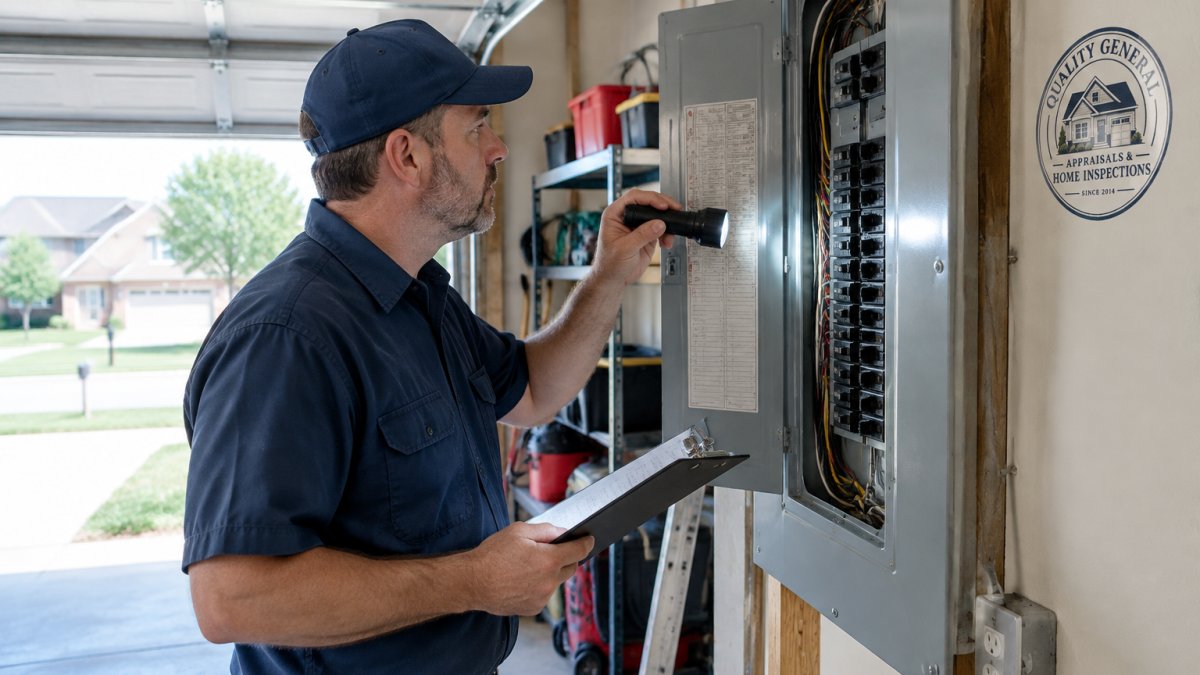
Systems and Components Inspected
A standard inspection covers the parts of a home that fail most often and cost the most to fix:
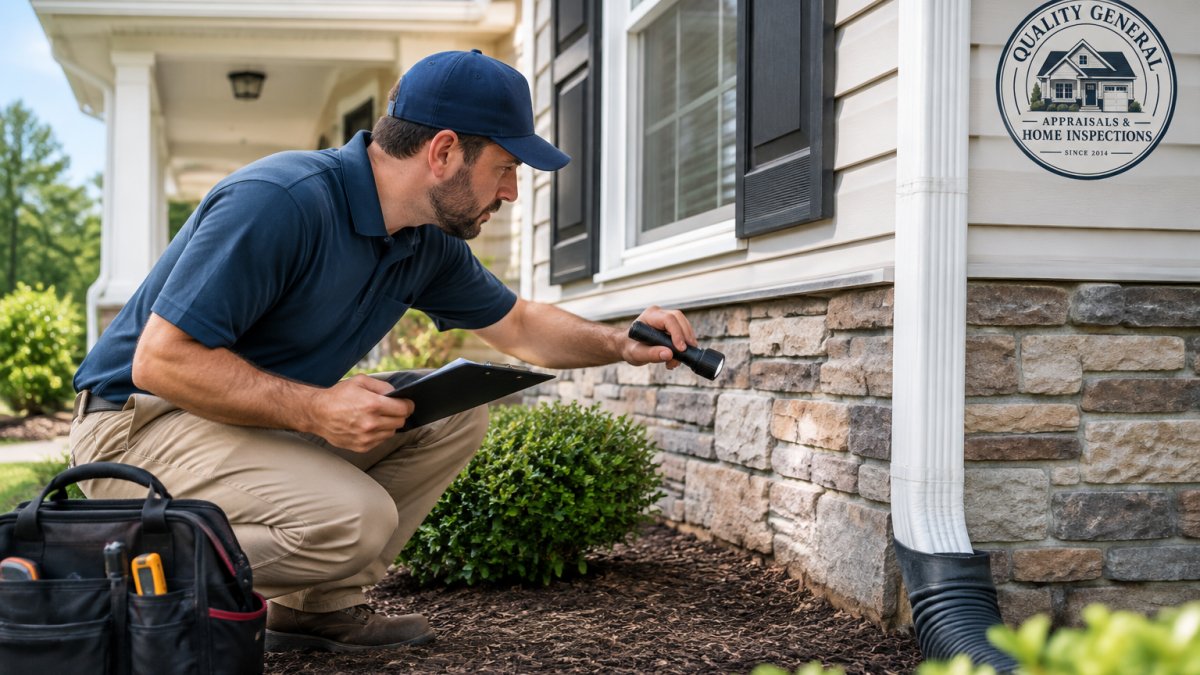
- Roof covering, flashing, and visible drainage
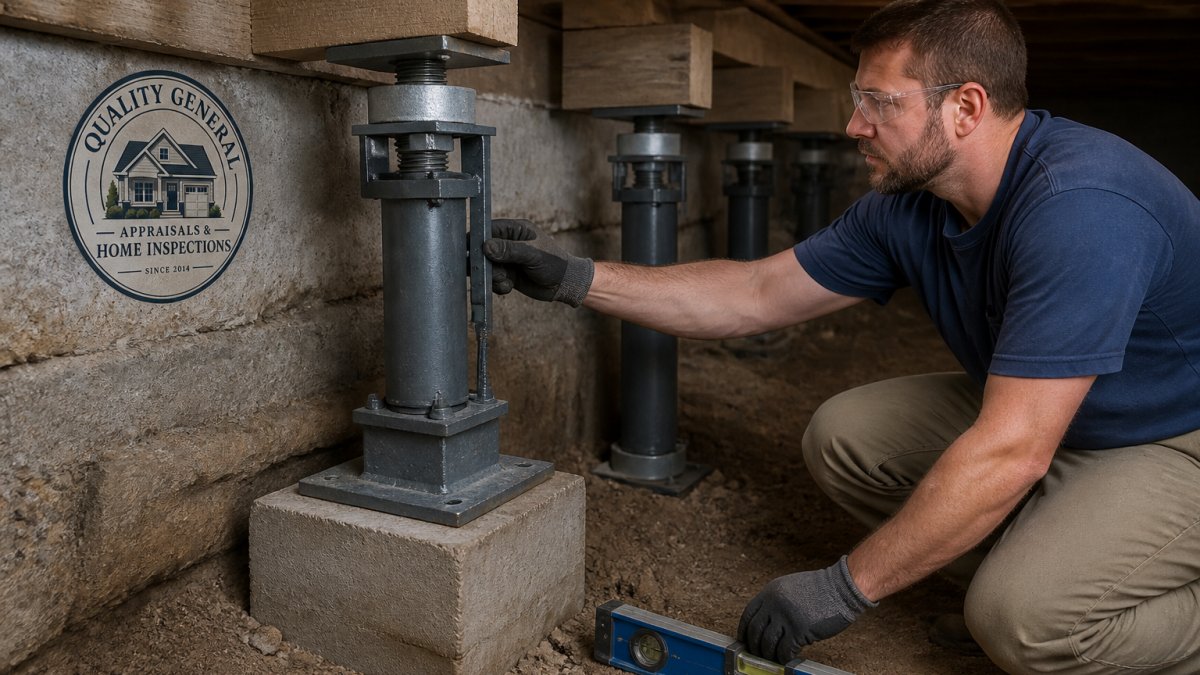
- Foundation, grading, and visible structural members
- Electrical panel, wiring, outlets, and GFCI protection
- Plumbing supply lines, drains, and water heater
- Heating and cooling equipment
- Attic insulation and ventilation
- Windows, doors, and exterior siding
- Garage doors and openers
The inspector reports on condition, not code compliance (s991109-1 Difference between inspectors opinion of unsafe and code violations). That distinction matters when you read the report.
What a Standard Inspection Excludes
A general inspection is visual and non-invasive. It does not open walls, pull up carpet, or test underground pipes. Common exclusions include:
- Sewer and drain lines below the slab
- Radon gas levels
- Mold behind walls or under flooring
- Termites and wood-destroying insects
- Well and septic systems
- Pools and sprinkler systems
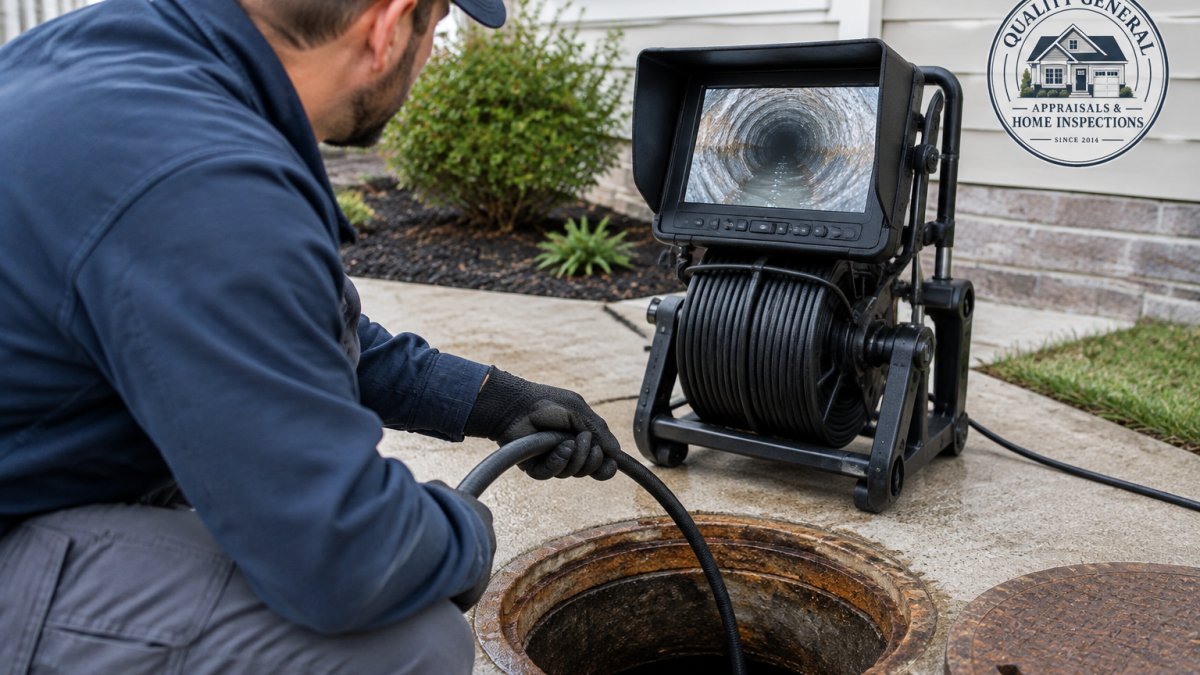
Those items need a specialist. If the home is older or has a long sewer run, a sewer line scope adds camera footage of the pipe interior that a general walkthrough cannot provide. Radon testing and termite/WDI inspections are separate services with separate results.
Pre-Offer Home Inspection vs. Post-Offer and Pre-Listing Options
Timing changes what an inspection can do for you. A pre-offer home inspection happens before you submit a contract. A post-offer inspection happens after your offer is accepted, inside the contingency window. A pre-listing inspection happens before the seller puts the home on the market.
Here is how the three compare:
| Inspection Type | When It Happens | Who Orders It | Main Advantage | Main Drawback |
|---|---|---|---|---|
| Pre-offer | Before you make an offer | Buyer | Shapes your offer and terms | You pay before you have a contract |
| Post-offer | After offer accepted | Buyer | Standard contingency protection | Tight timelines, less use |
| Pre-listing | Before listing | Seller | Fewer surprises during negotiation | Seller pays and must disclose findings |
A pre-offer inspection suits competitive markets where buyers waive contingencies to win. You spend on the inspection, but you bid with real information. A post-offer inspection remains the default for most buyers because the contingency protects your earnest money. A pre-listing inspection helps sellers price the home honestly and avoid renegotiation later.
When to Get a Home Inspection When Buying a House
Get a home inspection after your offer is accepted and before your inspection contingency deadline expires. That window is your chance to walk away or renegotiate without losing your deposit. Schedule it as soon as the contract is signed, because good inspectors book out.
Some situations call for earlier or additional inspections:
- New construction: still inspect it. Builder work can have gaps that a final walkthrough misses.
- Older homes: expect more findings, and budget for specialist evaluations.
- As-is sales: the seller will not repair, but you still need to know what you are taking on.
- For-sale-by-owner deals: no agent is guiding the process, so the inspection is your main protection.
If you are searching for a home inspection near me in the Springfield area, confirm the inspector's availability before your deadline, not after.
The Real Risks of Skipping an Inspection
Skipping an inspection does not remove risk. It moves the risk to the buyer.
A practical way to think about it is a simple exposure framework. Group what an inspection can reveal into three buckets:
- Safety items: electrical hazards, gas leaks, cracked heat exchangers, missing guardrails. These are not negotiable in practice because they affect the people living in the home.
- Major systems: roof, foundation, HVAC, plumbing, and sewer lines. These are the items most likely to produce a large, lumpy expense in the first few years of ownership.
- Deferred maintenance: caulking, minor grading, worn finishes. These are predictable and rarely change a purchase decision.
Skipping the inspection does not make any of these disappear. It simply means you learn about them after closing, when your only recourse is your own budget.
There is also the safety side. Undetected electrical problems, gas leaks, and moisture damage affect the people living in the home.
Watch out: waiving an inspection contingency to win a bidding war is not the same as skipping the inspection.
If you are weighing the trade-off, this breakdown of whether home inspections are worth the cost walks through the math.
Home Inspection Report Red Flags Buyers Should Never Ignore
Not every finding deserves a renegotiation. Reports list minor maintenance alongside serious defects, and buyers who treat all of it as equal lose credibility in negotiation. Focus on the items that affect safety, structure, and big-ticket systems.
Structural and Safety Concerns
These findings deserve a specialist's eyes before you remove your contingency:
- Cracks in the foundation that are wide, horizontal, or actively moving
- Sagging rooflines or bowed floor joists
- An electrical panel with double-tapped breakers, scorch marks, or outdated wiring
- A furnace or heat exchanger with cracks
- Missing or improper handrails and guardrails
- Water intrusion at the foundation or roofline
Moisture, Mold, and Hidden Water Damage
Water causes more expensive damage than almost anything else in a home. Stains on ceilings, soft spots in flooring, musty odors, and efflorescence on basement walls all point to moisture that may be active. Thermal imaging helps an inspector see temperature differences behind finished surfaces, which can reveal hidden water without cutting into walls. When the report notes visible mold or persistent dampness, mold testing confirms what is actually growing and how far it spreads.
A confusing report is common. This guide to reading home inspection reports explains how to sort major defects from routine maintenance.
Using Inspection Findings to Negotiate Repairs and Price
Inspection findings give you three realistic options: ask the seller to complete repairs, request a price adjustment or credit, or walk away. Which one you choose depends on your contingency terms and how the local market favors buyers or sellers. The report itself does not obligate the seller to do anything. Your leverage comes from the contingency you negotiated into the contract.
A practical approach:
- Group findings into safety issues, major systems, and minor maintenance.
- Get a repair estimate from a licensed contractor for the big items, so your request is tied to real numbers rather than guesses.
- Ask for a credit or price reduction rather than repairs when you want control over the work and the contractor who performs it.
- Keep your request focused. Long lists of small items weaken the serious ones and can make the whole request look like a second round of bargaining.
- Document everything in writing through your agent, including deadlines for the seller's response.
Credit Versus Repair: The Trade-Off
A seller credit lowers your closing costs or offsets your cash outlay, and you choose the contractor and the timing. A seller-performed repair keeps the work inside the transaction, but you inherit whatever quality the seller's contractor delivers.
Watch out: lender rules can limit how large a seller credit can be, and the cap varies by loan type and down payment. Ask your lender early what your specific program allows before you negotiate a credit you cannot actually use.
How Report Framing Affects the Outcome
Sellers respond to specificity. A request that says 'the roof is at the end of its service life and here is a contractor estimate' lands differently than a request that lists twenty minor items.
Sellers can also disclose findings to future buyers, which gives them a reason to negotiate in good faith rather than risk the same conversation with the next buyer.
If you are still sorting the report, this guide to reading home inspection reports explains how to separate major defects from routine maintenance before you make a request.
Your Home Inspection Checklist for Buyers in Springfield, Missouri
Use this checklist to prepare for inspection day and get the most from the report:
- Schedule the inspection the day your offer is accepted
- Confirm the inspection contingency deadline in writing
- Attend the inspection and ask questions as the inspector works
- Ask about the roof age and remaining life
- Ask about the age and condition of the HVAC system and water heater
- Request a sewer scope if the home is older or has mature trees near the line
- Add radon testing for homes with basements or crawlspaces
- Add termite/WDI inspection for wood-frame homes
- Ask for moisture readings in the basement, attic, and around bathrooms
- Review the photo report within 24 hours and note your priority items
Buyers in Springfield, MO should pay close attention to grading, downspout discharge, and any sign of movement in the foundation.
Schedule Your Springfield Home Inspection with Quality General
The question of whether a pre-purchase home inspection is worth the money comes down to information. Pricing depends on the scope of the inspection, so contact Quality General for current prices or a quote.
Quality General Appraisals & Home Inspections is veteran-owned and family-operated, with a Certified Master Inspector on staff and more than a decade of inspection experience. Alongside these broader home checks, a mold inspection can help clarify whether suspected moisture issues deserve closer attention.
Ready to move forward? Schedule your Springfield home inspection and bid with confidence.
Frequently Asked Questions
What is the biggest red flag in a home inspection?
The biggest red flags are structural issues, active water intrusion, and major system failures. Foundation cracks that indicate movement, a roof at the end of its service life, or an HVAC system that is failing all signal expensive repairs ahead. In a pre-purchase home inspection, your inspector should photograph and explain each concern so you understand the severity. Problems that affect safety, like faulty wiring or a cracked heat exchanger, deserve the most attention during negotiation.
Is it worth doing a house inspection before buying?
Yes, for most buyers. A pre-purchase home inspection gives you an independent, professional evaluation of property condition before you commit. It can uncover hidden defects, structural issues, and safety concerns that are not visible during a walkthrough. The report also supports your due diligence and can justify a repair request or price adjustment. Skipping an inspection means accepting financial risk for problems you cannot see, especially in older homes with deferred maintenance.
Can a home inspection help you negotiate repairs?
Yes. A detailed inspection report gives you documented evidence to request repairs or a price adjustment from the seller. You can ask the seller to fix specific items, credit you for repair costs, or lower the purchase price. How much leverage you have depends on your inspection contingency, the local market, and the severity of the findings. Your real estate agent can help you decide which items to prioritize in the negotiation.
When should you schedule a home inspection when buying a house?
Schedule your home inspection as soon as your offer is accepted, ideally within the inspection contingency window in your purchase contract. In competitive markets, some buyers order a pre-offer inspection before submitting a bid. Either way, book early so you have time to review the report, ask questions, and negotiate before deadlines. A same-day report, like the ones Quality General provides, helps you stay on schedule during a tight transaction timeline.
Buying a home in Southwest Missouri should not feel like a gamble. Let Quality General give you the facts before you sign. Get started with Quality General Appraisals & Home Inspections and walk into closing knowing exactly what you are buying.